How to Correctly Size Your Compressed Air Piping System
A
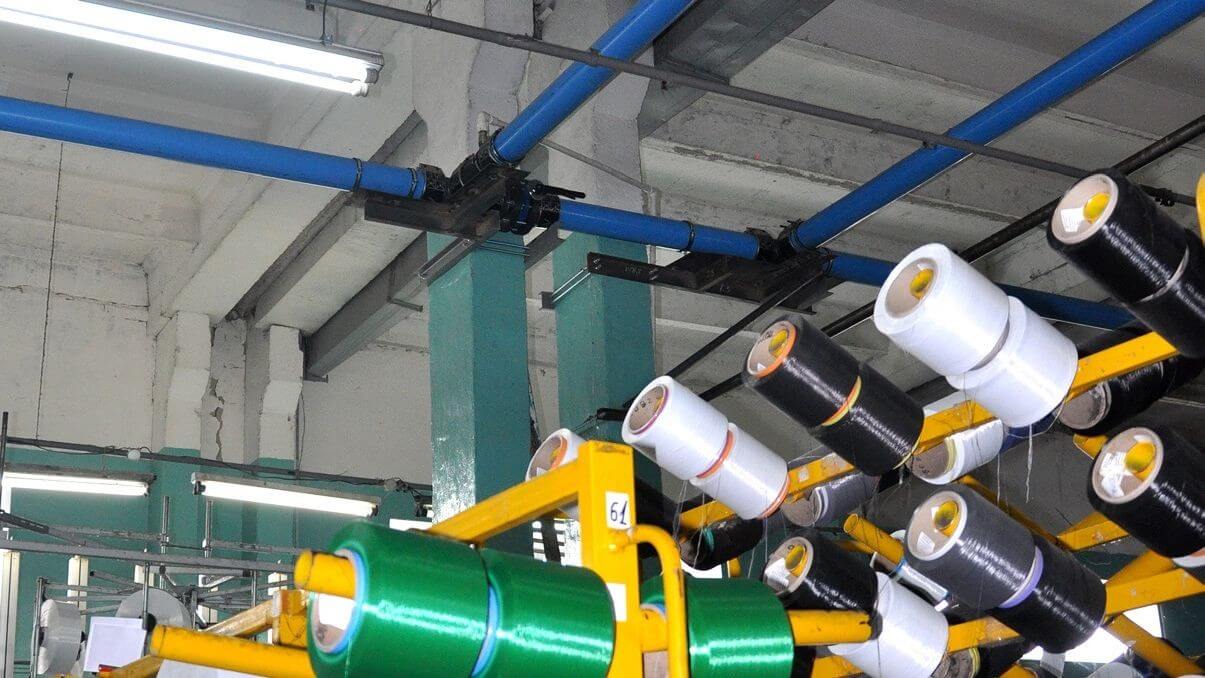
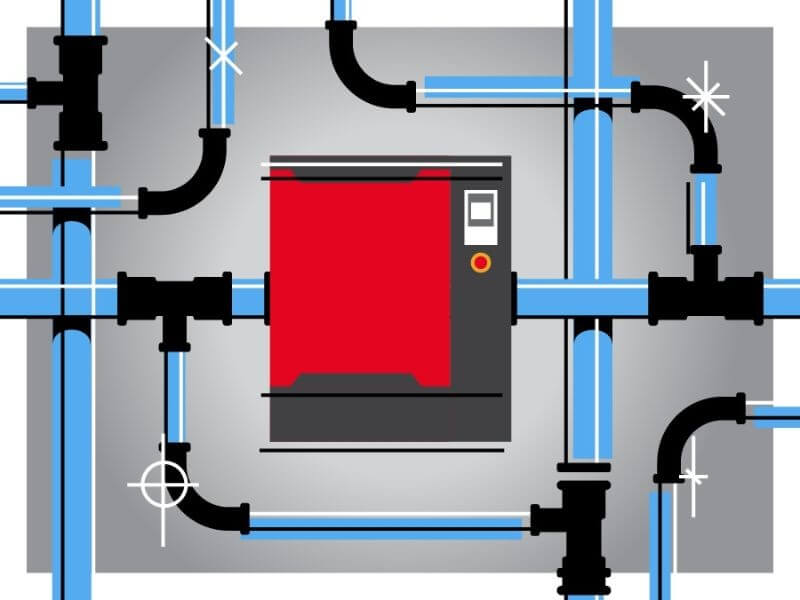
properly sized and designed piping system is a necessary component of any distribution compressed air system. Without this key component
in place, the delivery of air from the compressor to the specific points of use will be inefficient and costly, both in the short term as
well as in the long term. Let’s look more closely at how to size your compressed air piping system to ensure minimal pressure loss while
maintaining maximum efficiency.
Determining the Correct Compressed Air Piping Size
Pressure drop is expected when compressed air travels through an air distribution system, though this drop should be minimal. As a general
rule, an air velocity of 20-30 ft./sec is acceptable to help minimize pressure drop. To size your compressed air piping system correctly,
you must consider your application’s required operating pressure, maximum CFM (cubic feet/minute), and the distance from the compressor to
the point-of-use application which is furthest away from the compressor.
Required Operating Pressure. Did you know that for every 2psi above operating pressure, you’re wasting 1% in energy? That’s
a very significant number cost wise, especially when considered week after week and month after month.
Maximum CFM Requirements. This number is commonly determined by the compressor’s size and operational specs and reflects
the volume of air (in cubic feet) that can move through the system per minute.
The Importance of Correctly Sizing Your Piping System
If the piping is too small, pressure drop is inevitable due to a strangulation of air flow and resulting in end use components “starving”
for air. A common mistake is sizing the system piping based on the compressors discharge outlet size versus operating pressure, CFM, and
distance. Going to the next larger pipe size may add to the initial materials cost but will significantly reduce (or eliminate) the pressure
drop and result in long term savings.
Additional Note: A well designed piping layout can be another contributing aspect of selecting the right size of piping for your
facility! Consult with a trusted compressed air expert as you design your system.
Keep the Future in Mind
Don’t forget about planning for future needs and expansions! It can be a big mistake to size your piping system based solely on present flow
requirements, rather than planning for future additions. Where possible, think forward regarding your systems demands at the outset rather
than having to modify your piping installation down the road. Some additional cost and forethought now could pay serious dividends in the
future.
Do you have an idea for our #expertcorner? Let
us know!
Who we are and how Ash Air can help your business!
Ash Air has been around in New Zealand since 1979, and we’ve grown into a nationwide company with international support and a
reputation for quality and reliability.We look after all things compressed air for your business!
Reciprocating, Screw, air compressors
Vacuum pumps
Nitrogen
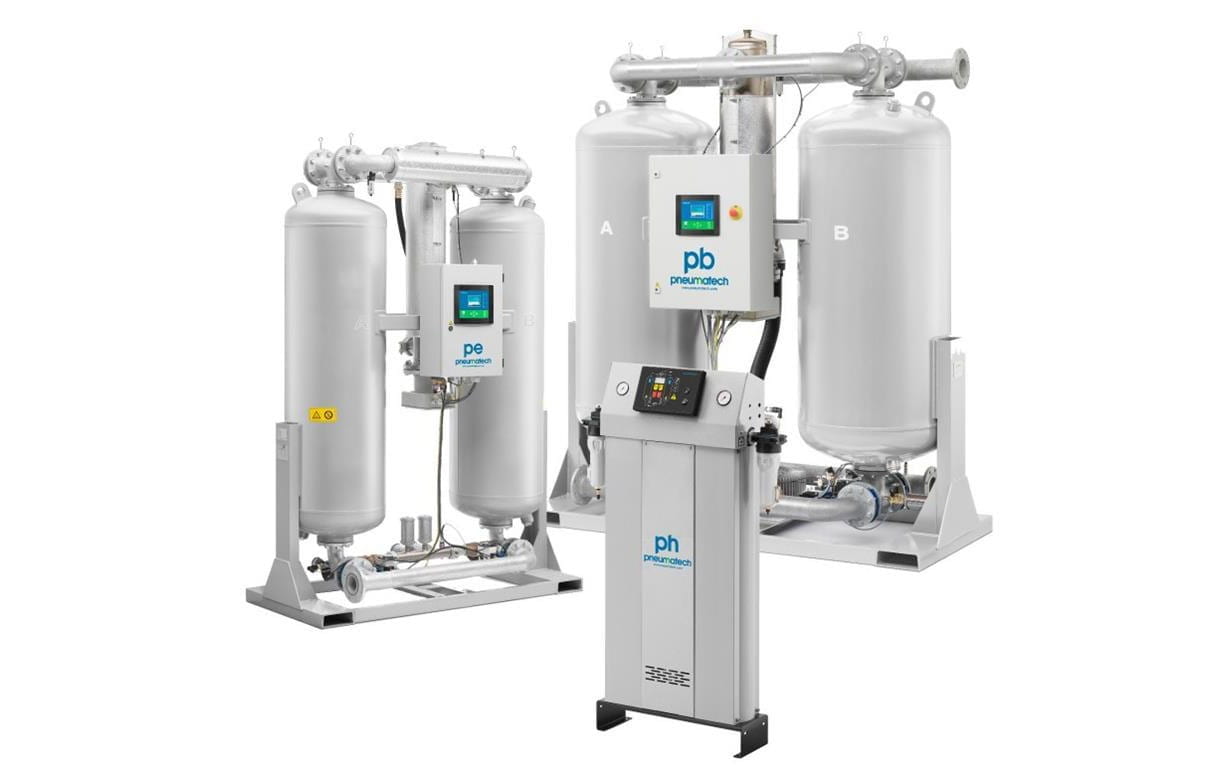
An extensive line of air treatment components
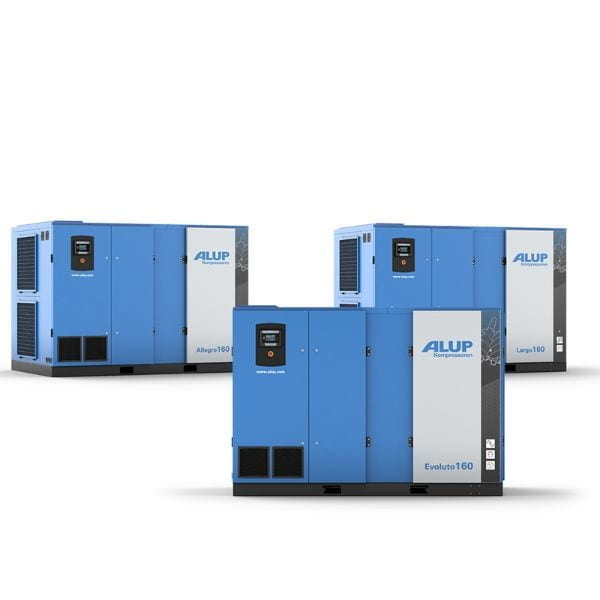
Ash Air's range of Chicago Pneumatic, Alup, Pneumatech, and Quincy compressors are used extensively around the world in industries
ranging from oil and gas to food, automotive and farming, and we bring you these world class compressors here in the land of the long white
cloud.Our technicians are compressed air equipment experts and are dedicated to addressing customer needs. Supported by a 13 locations
nationwide, Ash Air offers one of the widest selections of compressed air equipment and parts available today in New Zealand.
Reliability and Efficiency
With Ash Air compressors, you can count on reliability and high performance for even the most demanding applications. We focus our
efforts on the following:
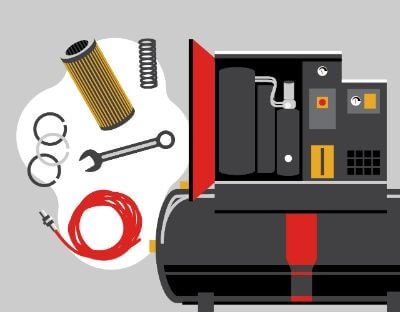
Air compressor leaks can be a substantial source of wasted energy in any system, sometimes wasting 20-30% of a compressor's production.
Worst of all, a poorly maintained compressor can have a leak rate expected to equal 20% of total compressed air...
Read More…
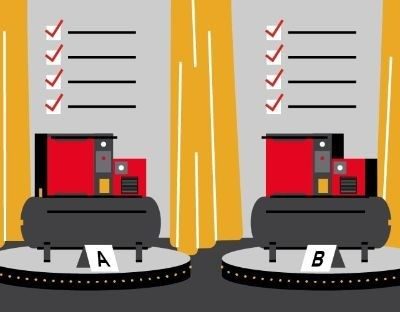
Choosing the right compressor is essential to your long-term satisfaction and maybe, to the profitability of your business. Many times
compressors are based on a single factor alone, such as horsepower or tank size, which is only part of the story.
Read More…
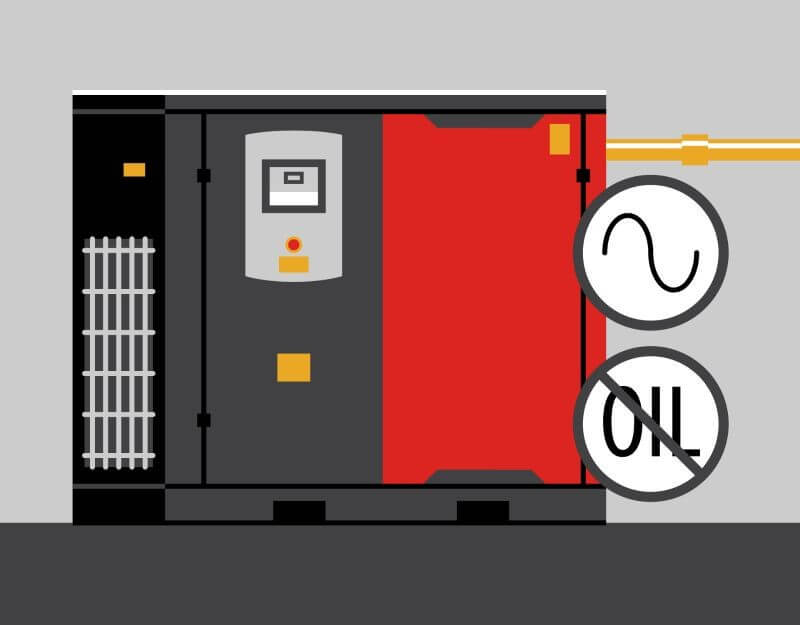
In oil injected screw compressors, there is a thin layer of oil found between the rotors to create a seal and maintain
proper efficiency as the compression occurs. The unfortunate side effect of this solution is that oil may carry over to the point of use in
your air system. This can be mitigated by having correct filtration in place to remove the oil contaminants in your air. Additionally, many
individuals may decide to opt for a completely oil-free solution, with the use of a scroll compressor or water injected screw
compressor.
Read More…
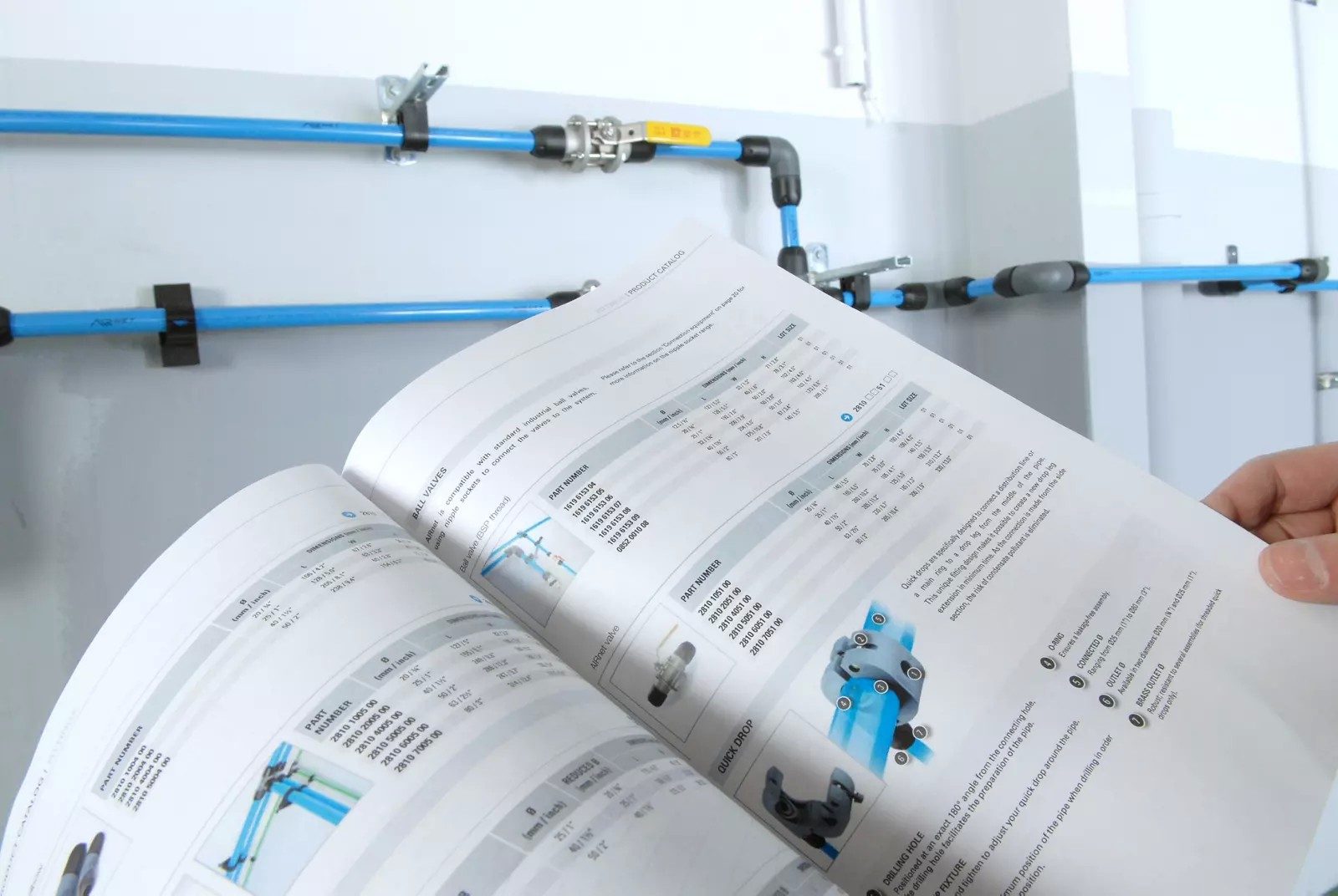
Most businesses concentrate on the air compressor and consider the piping as a secondary concern. The piping system can make or break your
business. Faulty, inefficient piping can cause pressure loss and lost power. Keeping a close eye on the overall layout, installations and
maintenance of your air piping system will help keep your business running at its’ optimal efficiency.
Read More…
Our #1 Focus is Customer Service! Whether you have questions about which compressor is right for you, or if you’re ready to
improve your operations and start saving on expenses. Ash Air has been around for over 40 years because we offer reliable and
hardworking air compressors, vacuum pumps, and services as well as expert advice and support.Read More…
If your daily business operations depend heavily on having compressed air, this question is extremely important. Should you repair your
broken compressor or get a new one?
Read More…
An oil analysis can prevent problems later down the road. It's often been referred to as the blood test for your compressor. Just like a
blood test can tell you about your health and early alerts to impending problems, an analysis can do the same for your compressor.
Read More…
Did you know that pressure drops and leaks are the two largest areas of energy loss on your air compressors? It’s easy to understand why a
leaking pipe or fitting creates energy loss. Pressure drops are not quite as noticeable, since you cannot hear ...
Read More…
Whenever anything doesn't work properly, it's frustrating and we get it. If this is your first time experiencing troubles with your dryer,
you're probably unsure where to even start. Getting your dryer repaired and back up and working is critical to ...
Read More…
Screw compressors are helpful for an enormous range of applications such as air filling, packaging, tools, HVAC control, and more! One
possible drawback is the amount of electricity they use; air compressors can be a huge drain on energy if used ine...
Read More…
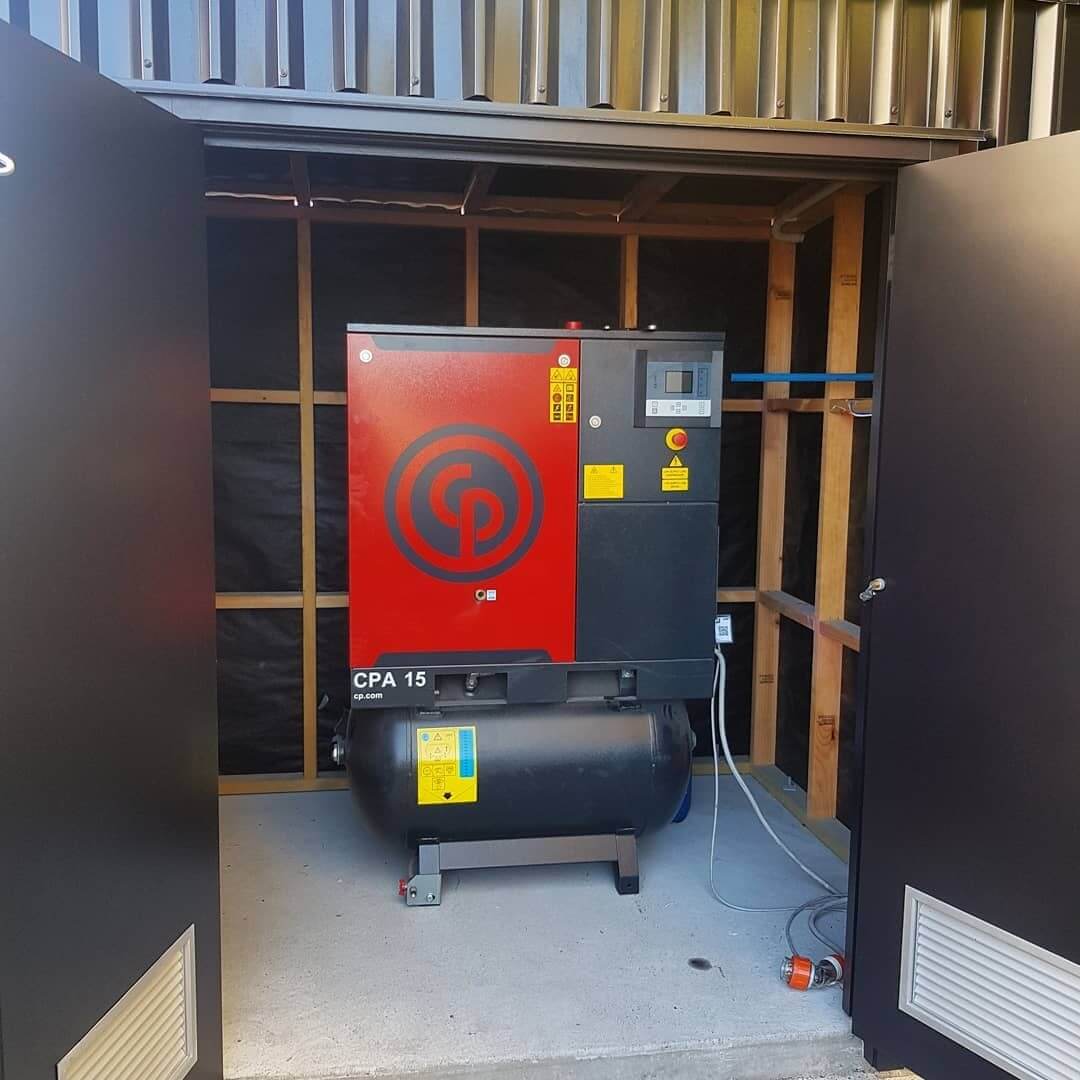
Considering installing your air compressor outside? Think again. The temptation to save space may sound enticing, but in the long haul is
will cost you.
Read More…
Most air compressors require constant oil lubrication to prevent friction on the pistons or screws and other moving parts. To make sure your
air compressor is running efficiently, it is important to check your oil level regularly and to know how much...
Read More…
Have you heard of the term "Total Air Solutions"? A total air solution means everything that goes with the compressor for your
business’s air system. 90% of companies require more than just an air compressor.
Read More…
When speaking of air compressors, compressed air treatment is a process that dehumidifies and cleans air before entering the compressor.
Most commonly, this process involves air filters and an air dryer.
Read More…
Having a second compressor can come in handy and keep your business always up and running. The configuration of the second unit can be as a
backup machine, or as a redundant unit with your other compressor, or as a backup if your main compressor goes...
Read More…
One large benefit to a speed-controlled compressor is reducing power cost, minimizing power surges and delivering a more constant pressure
needed for the job at hand.
Read More…
Inside of your air compressor, you will find an internal oil-water separator. The internal separator separates the water from the oil that
stays inside the compressor.
Read More…
Air compressors are used in many different applications and provide essential compressed air to many businesses and individuals with
different air needs. No matter what your CFM, PSI and HP requirements are, the electronic controller on your air compressor is the
motherboard for keeping your unit running as efficiently as possible. It is your eyes into your machine.
Read More…
Air compressors are helpful for an enormous range of applications such as air filling, packaging, tools, HVAC control, and more! One
possible drawback is the amount of electricity they use; air compressors can be a huge drain on energy if used inefficiently. If you are
running them too long, allowing leaks to exist, or using the wrong type of compressor, you are wasting energy and money. This article will
go over some of the biggest power-wasters and how to
stop/prevent them!
Read More…
My use multiple air dryers in my facility, and they are causing the energy cost to be high. What can I do to make my air treatment system
more energy-efficient?
Read More…
Adsorption dryers can only be energy efficient if they contain premium desiccant material. The desiccant used in Pneumatech adsorption
dryers is carefully selected from a wide range of European and North-American suppliers, based on following key selection criteria:
Read More…
In the following guide, we want to try to answer some of the questions you may have been asking yourself in regards to screw air
compressors.
If you do not find the answer you are looking for, please get in touch with us.
Read More…
Air treatment helps prevent finish damage, scrapped materials, and tool/equipment replacement due to air moisture damage, like rust, when
using compressed air.
Read More…
Compressed air is a key utility supporting the food packaging and food processing industries. It is used in machines that fill products such
as cakes, pies, and liquid products, as well as during the packaging and transportation of snacks, vegetables, beer, soda and other items..
Compressed air must be moisture and contaminant-free to ensure the protection of the food products processed in each facility.
Read More…
Minimizing the risk of accidents in the workplace is a top priority in industry, and it is especially important when working with
pneumatic power tools. Ensuring that all safety precautions have been taken to protect the health and wellbeing of operators is vital. With
this in mind, here are seven simple steps to reduce the risk of accidents and improve operator safetyRead More…
With many different options on the market, it can be challenging to know what features to look out for when selecting an impact wrench. This
guide provides a brief overview of the technology and outlines some simple steps to help you get started.
Read More…
If you have never bought a rotary screw air compressor before; do the following. Add up the air consumption of all the equipment at your
shop. That will be the amount of air your desired compressor should provide.
Read More…
Regardless of the type of compressor you have, vibration issues can be troubling for any business. The root of the vibration can stem from
multiple sources, some internally and others externally. Understanding the cause of the vibration and how to resolve them will be critical
in keeping your compressor in proper working order.
Read More…
How well do you know the impact of the air line installation on your productivity? Test yourself by taking our quiz and answer all of the
questions to get your score at the end.
Read More…
Air compressors are essential to your business, but they can also become a safety hazard when used improperly. Reading your owner’s manual
and following all proper safety precautions before use is vital in keeping your compressor in great, working condition.
Read More…
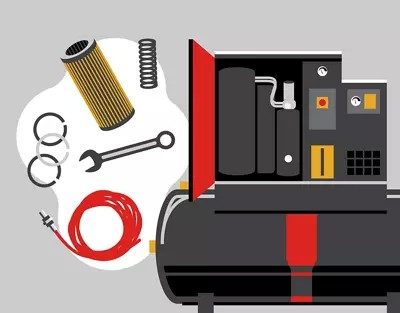
Maintenance is key to continuing the performance of your air compressor. Continue to read about maximising the performance and longevity of
your compressor.
Read More…
Screw compressors are a type of compressor that, thanks to their reliability and long lifetime, belong to the most used types of
compressors. Learn more about them here!
Read More…
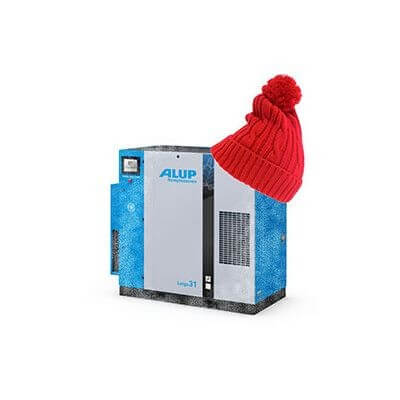
Did you know that cold weather can be of influence on the condition of your compressed air installation and compressed air? Read our cold
weather tips.
Read More…
Corrosion in the pipeline is due to insufficient condensation drainage that occurs during compression. The resulting condensate, together
with the compressed air, flow further into the compressed air line network and has a negative effect on the pipes. Find out more about how
you can prevent corrosion here.
Read More…
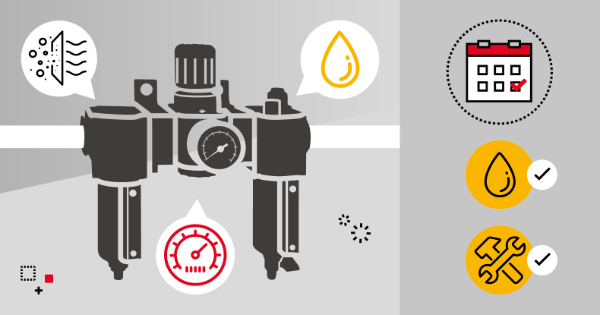
FRLs – Filters, Regulators and Lubricators – guarantee the efficiency and durability of pneumatic tools. Including an FRL in your air
system is vital to running an efficient air line set-up and key to achieving a good return on investment. Read
more here!
Read More…
Check out this blog and video included to help you know what you should be looking for when you're thinking about purchasing a Chicago
Pneumatic Rotary Screw Compressor for your shop or application. If you want to learn about what a screw compressor actually is, check out
this articleRead More…
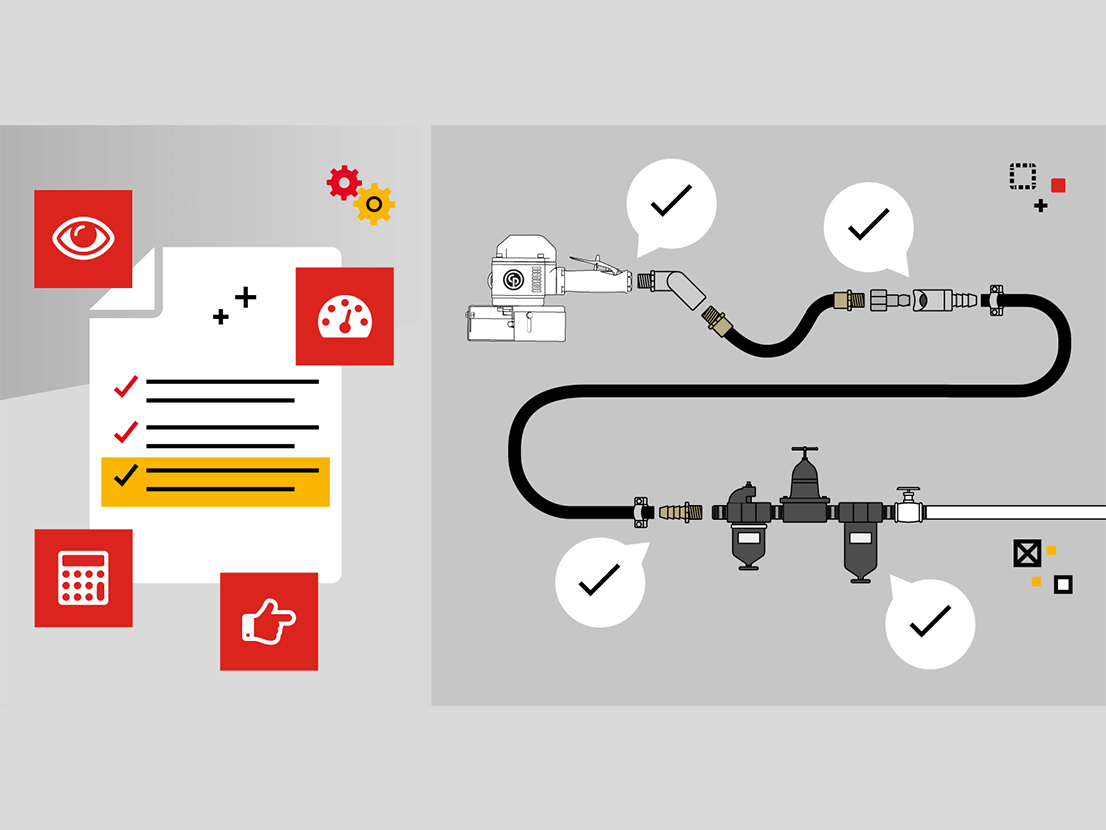
There are 3 simple steps to make sure your air line installation is providing the right pressure and that your accessories selection is
correct, so you can ultimately work productively. It does not take long and it is something you can easily do yourself using our
self-diagnostic checklist.
Read More…
Okay, okay, we're a bit excited. With the recent launch of our air tools in our
online shop.
Here's a 101 for you about what air tools you might need in your air compressor tool kit. Air tools are prevalent in automotive industries,
woodworking, construction, metalwork and more. Did you know that there's pretty much an air-powered version nearly any power tool on the
market? We want to share with you our 'Must have Air Tools'.
Read More…
When you are thinking about an air compressor, you might be have the image of the super popular piston or reciprocating compressor in your
mind. The compressor that you see in home workshops, automotive garages pumping up tyres and assisting in spray painting cars.
Read More…
As a follow on to our Why
You Should Not Use PVC Piping for Your Compressed Air System blog,
we share with you what piping you shouldbe using to get the most out of your compressed air system. Here at Ash Air we have the
perfect solution if you're wanting to match your great compressor with a fast, easy and reliable piping solution that supports the
operational excellence of your whole compressed air system.
Read More…
An air compressor is a big purchase for any business. It is visibly important to properly maintain the air compressor and filter elements to
protect that investment. Air intake filters are installed in an air compressor to remove any dust or debris the compress may suck in. Dust
will cause wear to the compressor element, valves, filters, compressor oil and any moving parts.
Read More…
So you have a vacuum pump installed and you rely on it for your business operations and performance? Here are some reasons why you should
consider overhauling your vacuum pump! s with all machinery and compressed air equipment, regular maintenance can help ensure optimised
safer performance of your vacuum pump. Learn more about benefits of restoring, rebuilding and repairing your vacuum pump.
Read More…
Air compressors are used every day, by many industries around the world. They are often considered the heart of a business, in that most
companies will rely on their performance and efficiency to run their operations, to get work done effectively and safely. In your day to
day, you've probably seen air compressors in use - whether at a build site powering construction equipment or in a mechanics workshop
inflating tyres.
Read More…
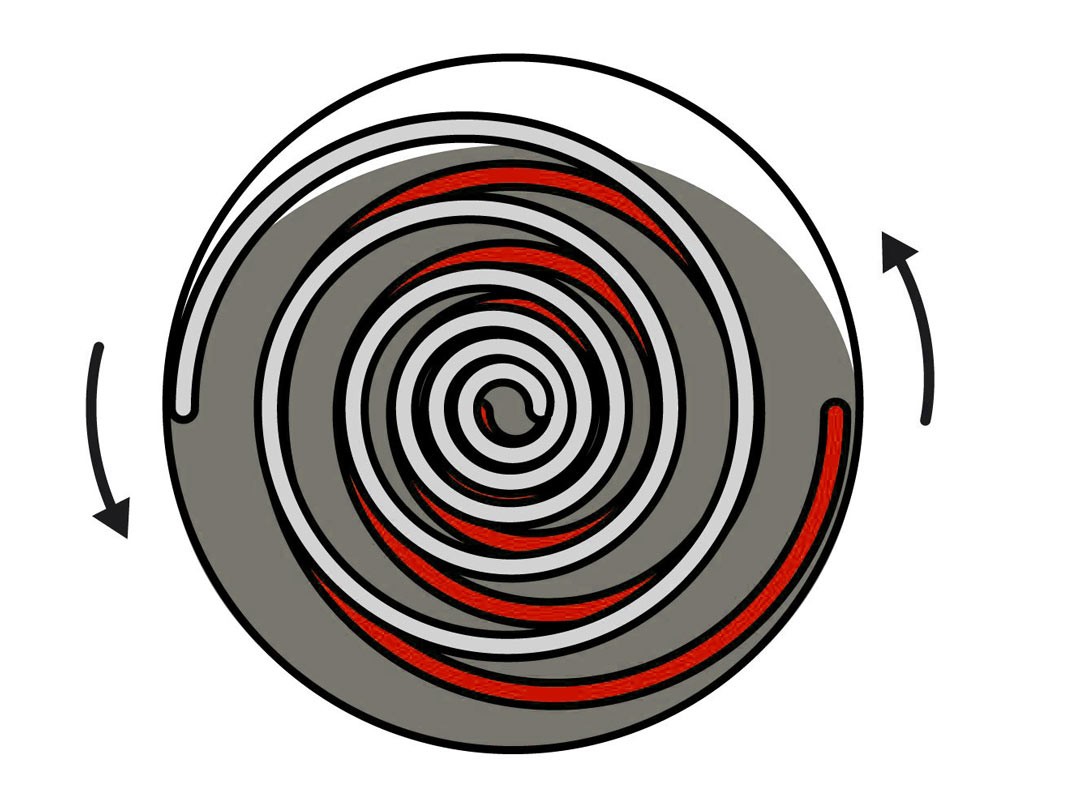
A scroll air compressor, or spiral compressor, compresses air by drawing it it, trapping it, reducing the volume and discharging it at the
outlet port. The scroll compressor that you see today, such as SpiralAIR, have
been the result of modernised advancements in manufacturing technology, even thought the concept of a scroll compressor has been around for
over 100 years.The scroll compressor is oil-free orbiting, or positive displacement compressor. The compressor has a stator spiral fixed in a
housing, and a motor driven eccentric orbiting spiral.
Read More…
.png) A
properly sized and designed piping system is a necessary component of any distribution compressed air system. Without this key component
in place, the delivery of air from the compressor to the specific points of use will be inefficient and costly, both in the short term as
well as in the long term. Let’s look more closely at how to size your compressed air piping system to ensure minimal pressure loss while
maintaining maximum efficiency.
A
properly sized and designed piping system is a necessary component of any distribution compressed air system. Without this key component
in place, the delivery of air from the compressor to the specific points of use will be inefficient and costly, both in the short term as
well as in the long term. Let’s look more closely at how to size your compressed air piping system to ensure minimal pressure loss while
maintaining maximum efficiency.













.png)