What is Energy Recovery in Compressor Installations?
Many installations that produce compressed air offer significant and frequently underutilized energy
saving possibilities
in the form of waste energy recovery. In large industries, energy costs can amount to 80% of the total cost of compressed
air production.
However, a lot of this energy can be recovered, which in turn will save you a lot of money.
What is waste energy recovery in compressor installations?
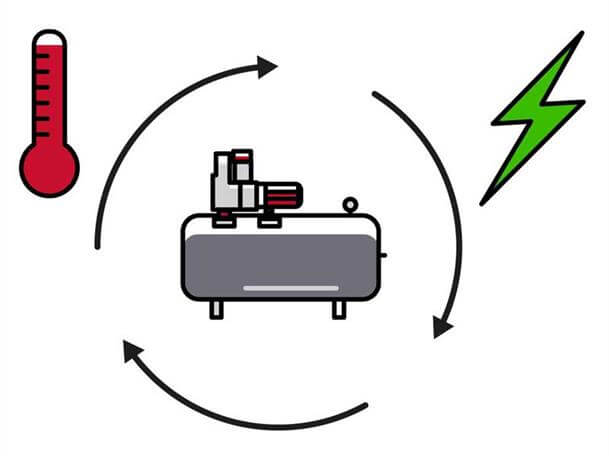
When air is compressed heat is formed.
Before the compressed air is distributed into the pipe system the heat energy is extracted, and becomes waste heat. For each compressed air
installation, the issue of sufficient and reliable cooling capacity for the installation must be addressed. Cooling can take place
either by means of the outdoor air or a cooling water system that uses municipal water, stream water or process water in an open or
closed system.
A compressor central plant in a large industry that consumes 500 kW over 8,000 operating hours per year represents a yearly energy
consumption of 4 million kWh. The possibilities for recovering substantial amounts of waste heat via hot air or hot water are real. As
much as 94% of the energy supplied to the compressor can be recovered, for example, as 90°C hot water from oil-free screw compressors.
This fact illustrates that saving measures quickly provide substantial return.
The return on investment for energy recovery is usually as short as 1–3 years. In addition, energy recovered by means of a closed cooling
system enhances compressor operating conditions, reliability and service life due to an equalized temperature level and high cooling
water quality, to name but a few advantages. Nordic countries are somewhat of a forerunner in this arena and energy recovery has been
standard practice for quite some time now for compressor installations. Most medium to large compressors from the major suppliers are
now adapted for fitting with standard equipment for waste heat recovery.
How do we calculate the recovery potential?
The laws of physics dictate that nearly all energy supplied to a compressor installation is converted into heat. The more energy that can be
recovered and utilized in other processes, the higher the system's overall efficiency.
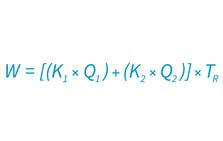
Recovered energy in kWh/year:
Savings per year: (€)
TR = Time of recovered energy demand (hrs/year)
K1 = Part of TR with loaded compressor (hrs/year)
K2 = Part of TR with off-loaded compressor (hrs/year)
Q1 = Available coolant power with loaded compressor (kW)
Q2 = Available coolant power with off-loaded compressor (kW)
ep = Energy price level (€/kWh)
η = Normal heat source efficiency (%)
In many cases the degree of heat recovery can exceed 90% if the energy gained by cooling the compressor installation can be utilized
efficiently. The function of the cooling system, the distance to the point of consumption, and the degree and continuity of the heat
requirement are all decisive factors. With large thermal flows, selling the recovered heat energy is a possibility that should not be
ignored. The electrical energy supplier could be a potential customer, and investment, sub-order and delivery could readily be
negotiated. An opportunity for savings also exists by coordinating energy recovery from several processes.
How to recover energy in an air-cooled system?
Energy recovery from compressed air installations does not always result in heat when it is required and oftentimes, not in sufficient
quantities. The quantity of recovered energy will vary over time if the compressor has a variable load. In order for recovery to be
feasible, a corresponding relatively stable heat energy demand is needed. Recovered waste heat energy is best utilized to supplement
energy supplied to the system. That way the available energy is always utilized when the compressor is operating. Options for air-cooled
compressors, which produce a high hot air flow rate at a relatively low temperature, are direct building heating or heat exchanging to a
preheating battery. The heated cooling air is then distributed using a fan.
When buildings do not require additional heat, the hot air is evacuated into the atmosphere, either automatically by thermostat control or
manually by controlling the air damper. A limiting factor is the distance between the compressors and the building that needs to be
heated. This distance should be limited (preferably the distance between adjoining buildings). Furthermore, the possibility of recovery
may be limited to the colder periods of the year. Airborne energy recovery is more common for small- and medium-sized compressors.
Recovery of waste heat from compressor air cooling systems results in only small losses from the distribution and requires little
investment.
How to recover energy in a water-cooled system?
The cooling water from a water-cooled compressor with a temperature up to 90° can supplement a hot water heating system. If the hot water is
used instead for washing, cleaning or showering, a normal base load hot water boiler is still required. The energy recovered from the
compressed air system forms a supplementary heat source that reduces the load on the boiler, saves heating fuel and could potentially
result in the use of a smaller boiler.
Prerequisites for energy recovery from compressed air compressors differ in part depending on the type of compressor. Standard oil-free
compressors are easy to modify for energy recovery. This type of compressor is ideal for integration in a hot water heating system since
it provides the water temperature (90°C) required for efficient energy recovery. On oil-lubricated compressors, the oil, which takes
part in the compression process, is a factor that limits the possibilities for high cooling water temperatures. In centrifugal
compressors, the temperature levels are generally lower because of the lower pressure ratio per compression stage, thereby limiting the
degree of recovery.
Waterborne waste energy recovery is best suited to compressors with electric motor power over 10 kW. Waterborne recovery of waste energy
requires a more complex installation than airborne waste energy recovery. The basic equipment consists of fluid pumps, heat exchangers
and regulation valves.
Heat can also be distributed to remote buildings using relatively small pipe diameters (40-80 mm) without significant heat losses using
waterborne energy recovery. The high initial water temperature means that waste energy can be used to increase the temperature of the
return water from a hot water boiler. Therefore, the normal heating source can be periodically switched off and be replaced by the
compressor's waste heat recovery system.
Waste heat from compressors in the process industry can also be used to increase the temperature of the process. It is also possible to use
air-cooled oil-lubricated screw compressors to apply water-borne waste energy recovery. This requires a heat exchanger in the oil
circuit, and the system will provide water at lower temperatures (50° - 60°) than with oil-free compressors.
Do you have an idea for our #expertcorner? Let
us know!
Who we are and how Ash Air can help your business!
Ash Air has been around in New Zealand since 1979, and we’ve grown into a nationwide company with international support and a
reputation for quality and reliability.We look after all things compressed air for your business!
Reciprocating, Screw, air compressors
Vacuum pumps
Nitrogen
An extensive line of air treatment components
Ash Air's range of Chicago Pneumatic, Alup, Pneumatech, and Quincy compressors are used extensively around the world in industries
ranging from oil and gas to food, automotive and farming, and we bring you these world class compressors here in the land of the long white
cloud.Our technicians are compressed air equipment experts and are dedicated to addressing customer needs. Supported by a 13 locations
nationwide, Ash Air offers one of the widest selections of compressed air equipment and parts available today in New Zealand.
Reliability and Efficiency
With Ash Air compressors, you can count on reliability and high performance for even the most demanding applications. We focus our
efforts on the following:
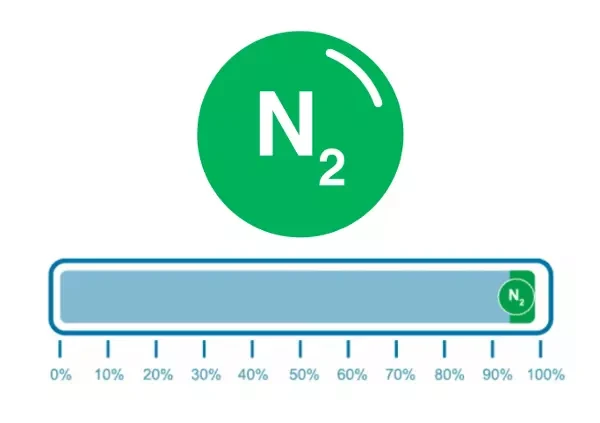
Using nitrogen is not about fully replacing CO2, but it can reduce their consumption of CO2 by close to 70%. Using nitrogen is about
sustainability. Creating your own nitrogen is easy and will reduce the use of a greenhouse gas, which is better for the environment. It will
also save you money as early as month one adding that savings to your bottom line.
Read More…
ICONS: Intelligent Connectivity System: The insight into your compressed air system, wherever you are. Learn More about ICONS in this article here!
Read More…
A question that is occasionally asked by our customers to Ash Air is 'what is the cost of compressed air?' This article looks at the
product costs involved with compressed air, as well as minimising the energy cost of compressors and cost allocation. When looking at these
factors, we need to realise what causes dropped efficiency of your compressor, leading to increased costs of compressed air.
Read More…
You may have great fall protection measures in place to keep employees safe when working at height, but what about their co-workers below?
Dropped tools and other falling objects are a major hazard – and one that isn’t always fully addressed.
Read More…
Providing a safe working environment for operators is essential, especially when using pneumatic tools and compressed air. If there is a
failure in the air network and the hose is not adequately clamped, the resulting whiplash could be devastating. Failure to follow best
practice can result in injuries, associated production downtime and decreased productivity.
Read More…
A common questions asked is why do I need an air dryer for my compressor? Typically, air compressors produce water, and although the
water can be drained, there can still be aerosol and vapour droplets that are present. This is because water cannoet be compressed. Water
can damage your compressor by corroding the valves, pipes and machinery controls, which will cost you time and money to resolve. In
the long run, the cost of a new compressor is a small price to pay compared to the loss of production that could potentially arise due
to water damage in your compressor.
Air compressors can fail for an assortment of different reasons: Normal wear and tear, lifespan and age of the unit, poor maintenance, power surge, install issues are just a few the come to mind. Check out this blog to find out our top 7 tips to ensure your compressor is looked
after!
Read More…
Air compressors use considerable volumes of energy during a typical work cycle. When you add up all the expenses of operating a facility,
any savings can help you boost your bottom line.
Read More…
If you have never bought a rotary screw air compressor before; do the following. Add up the air consumption of all the equipment at your
shop. That will be the amount of air your desired compressor should provide.
Read More…
Knowing the telltale signs of wear and tear, understanding your product’s specifications and usability guidelines, and knowing when it’s
prudent to call in repairs are skills that could save you a lot of time, effort, and money in the long term.
Read More…
That cold, rainy, and in some places icey New Zealand winter is upon us, and with the following air compressor tips, your air system will be
prepared with the preferred temperatures, despite the weather outside. Regardless of whether or not it actually snows or freezes up where
you live, most winterisation service recommendations are also basic, solid maintenance procedures that will help extend the life and
operational efficiencies of air compressors regardless of whether you live in Queenstown or Northland.
Read More…
If you're wondering what an air compressor actually is, you've come to the right place. Simply, air compressors convert power in to air that
is pressurised which is then used to power air tools such as spray guns. Air compressors are used in a wide range of applications, so
naturally if you want one that will be designed for spray painting your vehicle, you want a compressor specifically made for spray guns!
This way your compressor will be able to provide the right amount of power to perform the job.
Read More…
Compressed air plays a fundamental role in industrial activities. Depending on the type of application, the energy cost of producing
compressed air can be very high. Below are some tips to save on you compressor bill.
Read More…
Air Compressors are essential tools in a variety of industrial settings. No matter what industry you are in having a reliable air compressor
can be a crucial part of getting the job done efficiently. However, like an investment, air compressors require upkeep and maintenance, and
eventually will need to be upgraded. But how do you know when it’s time to upgrade your air compressor? Here are some things you need to
consider.
Read More…
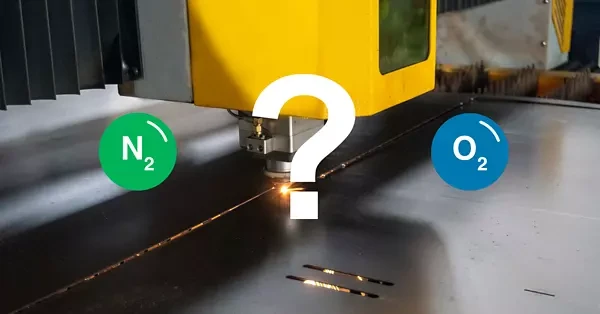
When it comes to laser cutting and other industrial processes, the choice of assist gas is crucial in achieving optimal results. Nitrogen
and oxygen are commonly utilized as assist gases, each with its own unique properties and applications. Understanding the characteristics of
both gases, will help you to make an informed decision to ensure precision, efficiency, and cost-effectiveness in your operations.
Read More…
Mobile air compressors are portable, towable compressors particularly useful for applications that suit the construction and roading
industry! You'll often see a mobile compressor being used for sandblasting, irrigation blow-outs, and for quarrying tools such as pneumatic
block cutters and rock drills.
Read More…
Did you know that Chicago Pneumatic helped man land on the moon? Notice in this photo of the Apollo 11 landing what appear to be
"soccer balls" on top of the capsule. They were inflated through a compressor specially developed by Chicago Pneumatic for
NASA.
Read More…
Your company purchased an air dryer for your compressor, now where should you install it? One of the most common things we see in the
industry are air dryers being stored on top of the compressors. Seems like a wasted space not being used on top of the compressor, right?
Wrong.
Read More…
When using air compressors, there are many variables that are integral to the quality and effectiveness of your compressed air. When dryer
air is necessary, being able to constantly and accurately monitor dew points can be a critical factor to your operation.
Read More…
Compressed air plays an integral role in breweries both large and small around the world. From start to finish, all details in the brewing
process are managed in fine detail and having the right air compressor is no exception.
Read More…
We Kiwi's love our Coffee! Coffee, like all other food & beverage products, must go through a preservation process to keep the
beans fresh during storage and packaging before they reach the consumer. Coffee that is not properly stored after it is roasted will lose a
large amount of carbon dioxide, which lessens its' flavor and speeds up the staling process. One of the most common ways to preserve the
freshness of coffee is the use of nitrogen gas. Learn more here:
Read More…
Air compressors are helpful for an enormous range of applications such as air filling, packaging, tools, HVAC control, and more! One
possible drawback is the amount of electricity they use; air compressors can be a huge drain on energy if used inefficiency...
Read More…
Air compressors create the energy used by pneumatic tools and processes throughout your compressed air system. The component that connects
everything together is the piping. It is very important to choose the right compressed air pipe to avoid pressure
loss, rust and other problems.
Read More…
We get it, buying an air compressor is a big financial decision. And now we are suggesting that you need two air compressors, not just one.
Ask yourself one question- Can your business still run if your air compressor goes down?
Read More…
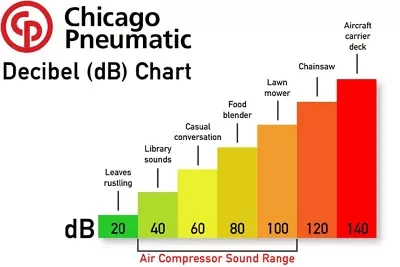
It’s no secret – air compressors are excellent sources of energy. Not only do they power essential manufacturing elements and applications, but the heat generated as a result of the compressed air processes can be used as a byproduct that offsets other energy costs. However,
there’s another form of energy that is also a consequence of the air compression process – sound.
Read More…
Maintenance is key to continuing the performance of your air compressor. Continue to read about maximising the performance and longevity of
your compressor and some air compressor maintenance tips!
Read More…
The emergency stop, "e-stop", is for true emergency situations only. When hitting the e-stop, all power is halted from the machine
and the unload process isn't achieved. The emergency stop button is intended to help with possibly hazardous situations that are developing.
Common conditions of having to use the e-stop is the misuse of the equipment in ways that weren’t intended, predictable failures not
addressed or failing to consider all the foreseeable uses of the compressor. Read More…
We've put together a list of tips for working safely with air compressors in your environment! We recommend that you always read owners
manual before running your compressor. The number one cause for repairs and personal injury is improper use. You've got to remember to use
eye protection and hearing protection when operating your air compressor and try to avoid using air compressors in a wet area.
Read More…
It's generally cost-effective to invest in an on-site industrial oxygen generator. If using bottled or liquid oxygen, you can save 50-90%
per unit of O2.
Read More…
Air Compressor Installation Tips
Installing Your Reliable Air Compressor
So, you've just bought an efficient and reliable ALUP air compressor? Welcome to the world of compressed air.
As your partners in compressed air, we will continue to assist you along your journey. We have provided air
compressor installation
tips to ensure you get the most out of your air compressor. Read More…
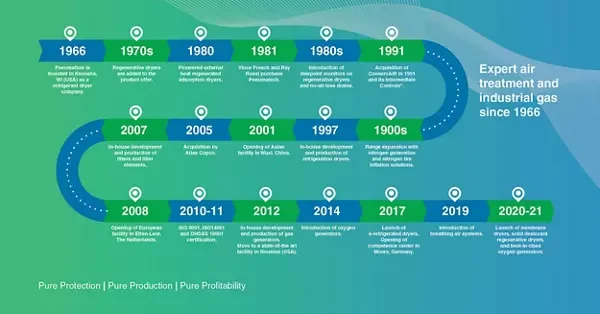
What started as a family business has since grown into the world’s trusted expert in air treatment and industrial gas solutions. It’s a
success story we’re proud of, a true testament to the drive and entrepreneurial spirit of our entire team.
Read More…
Air dryers remove any condensation from the air compressed by your air compressor. Questions about them? Find answers to the most frequently
asked questions here.
Read More…
Power tools are a key to productivity in the oil & gas or the metal working industry. Maintenance and production tasks must be carried
out efficiently, however intensive use of vibrating power tools, such as grinders, can expose operators...
Read More…
Selective soldering with nitrogen is an essential process in the production of printed circuit boards (PCBs). It is used for bonding
components to PCBs that could otherwise be damaged if exposed to a lot of heat. Another area of application are mixed-technology circuit
boards with layout constraints.
Read More…
Hydrogen is becoming increasingly important as a promising clean energy carrier – especially with a view to a more climate-friendly future.
But have you ever wondered what hydrogen actually is and how it is produced? In this article, we look at the basics and technologies used to
produce hydrogen and what makes hydrogen a special element.
Read More…
Lubrication is vital to numerous parts of the compression process. That’s why it’s important to know why and which oil is needed for your
air compressor.
Read More…
In today's digital world, we search and compare compressor parts, consumables and lubricants in an instant. Avoid being scammed and make
shure you buy genuine spare parts.
Read More…
In the world of winemaking, the pursuit of excellence and the preservation of quality are paramount. Therefore, winemakers are turning to a
game-changing solution to enhance their craft: nitrogen gas. From preventing oxidation to controlling carbonation, nitrogen plays a vital
role throughout the winemaking process.
Read More…
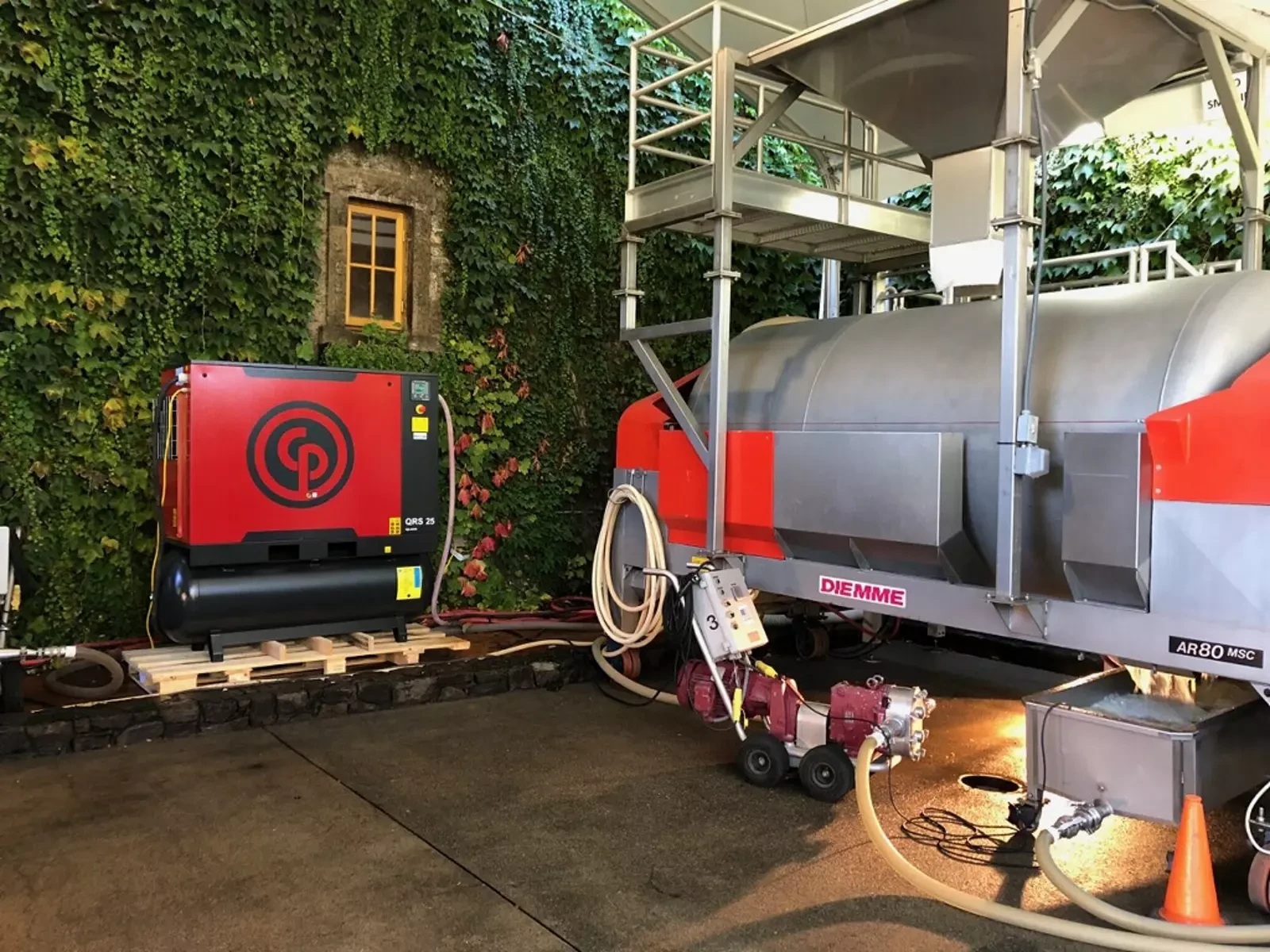
Your passion is vinification, ours is air compressors.
Compressed air accounts for a large amount of energy consumption in the wine production process, especially in the production of grapes. A
big part of wine-making is a result of the work of equipment and is dependent on its efficiency.
An air compressor should be located in well ventilated, shaded areas, out of direct sunlight. This includes the inlet for the compressed air
system which should be located away from heat sources such as the compressed air outlet, refrigeration or air conditioning plant and
equipment.
Read More…
Cutting, shaping, drilling, and finishing, compressed air is critical for any machine shop. Shops rely heavily on the compressed air system
to assist in a variety of operation processes. Commonly the parts produced are used in the machine industry, car industry or even the
aircraft industry. A traditional workday in a machine shop requires the use of air compressors to generate an intermittent or continuous
source of pressurized air. What machines commonly require compressed air in the shop?
Read More…
Variable Speed Drive compressors are a game-changer in the world of compressed air. These compressors automatically adjust their
operating speeds to match the real-time demand for compressed air. It's an important feature, especially when it comes to energy savings.
Surprisingly, the electricity consumed by a compressor can account for the largest portion of its total cost of ownership, not the initial
purchase price. On average, VSD technology can reduce energy costs by 35% to 50%, which translates into significant saving
Read More…
When an industrial application calls for a steady supply of quality air, more and more users are turning to rotary screw compressors. Their
efficiency, reliability and versatility make them a great choice in these cases. But there are countless applications and many different
types of rotary screw air compressors. So which one is the right one for you?
Read More…
Your tool is stalling, or is not working to its expected performance, and you find yourself asking ‘why is my angle grinder spinning too
slowly?’, or ‘why has my pneumatic grinder stopped working?’, read on.
Read More…




.png)


.png)














.jpeg)