1. Your Compressor Experiences Unexpected Shutdowns
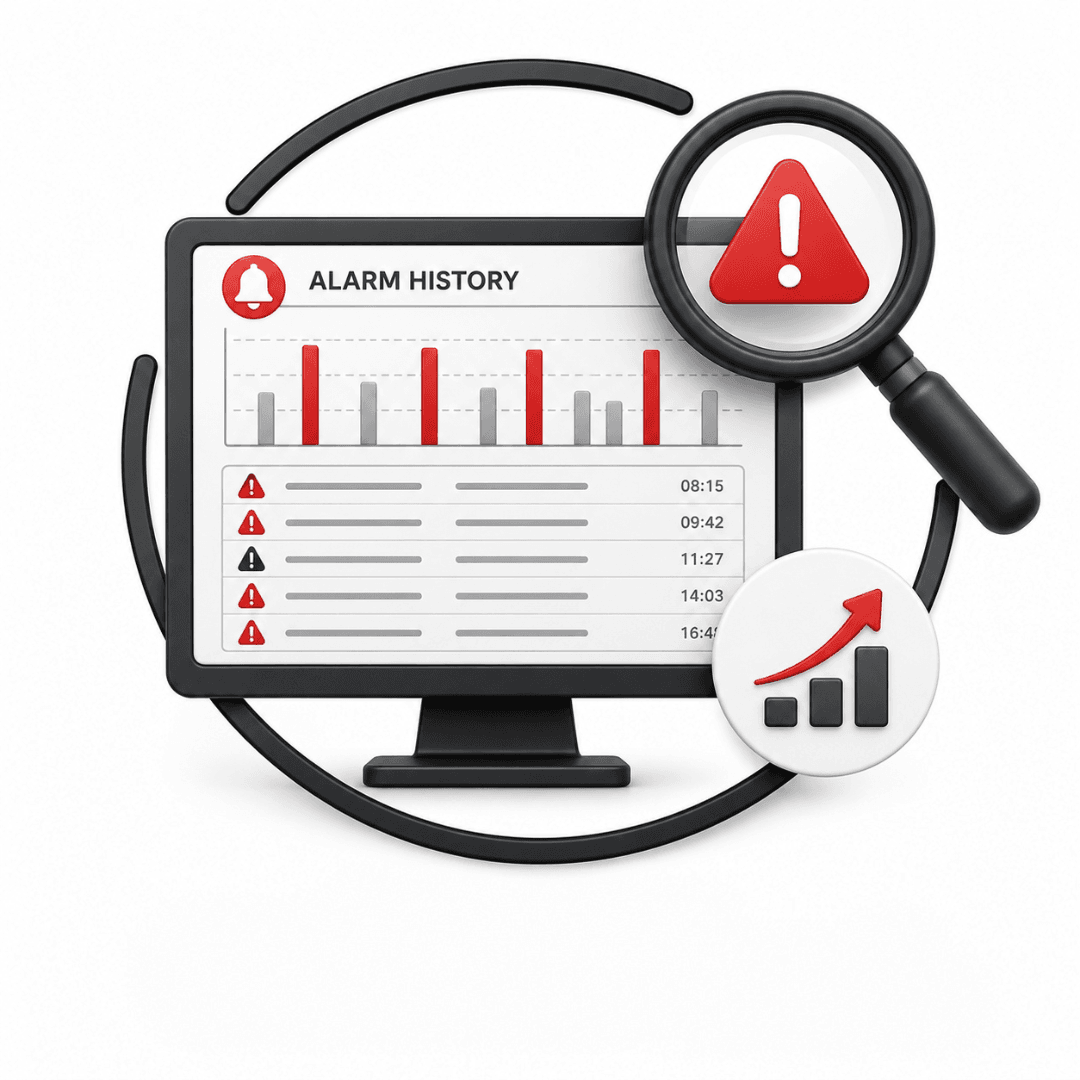
Unexpected shutdowns are one of the clearest indicators that equipment health is not being monitored effectively. Most compressor failures
don't occur without warning. In many cases, equipment provides early signs of deterioration days or even weeks before a shutdown,
including:
- Increasing discharge temperatures
- Pressure instability
- Frequent warning alarms
- Rising motor current
- Longer compressor loading times
- Abnormal operating cycles
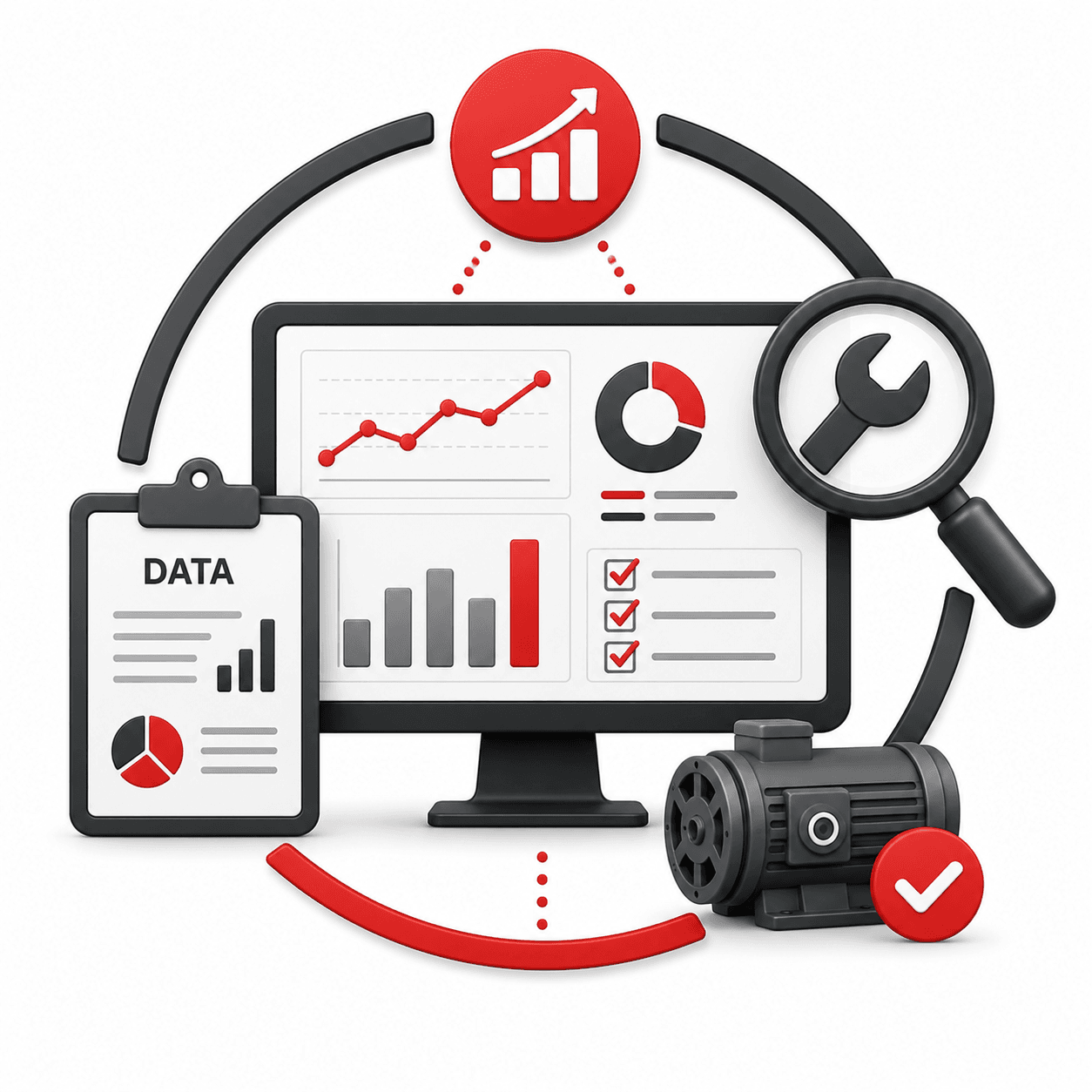
Without continuous monitoring, these warning signs are often missed because manual inspections provide only a snapshot of equipment
condition.
2. Your Energy Bills Continue to Increase
Many businesses assume rising electricity costs are simply due to increasing production or energy prices. However, compressed air systems
are frequently one of the largest consumers of electricity within an industrial facility. Energy typically represents 70–80% of the total
lifecycle cost of an air compressor.
Common causes of excessive energy consumption include:
- Operating at unnecessarily high pressure
- Air leaks
- Dirty filters
- Poor compressor sequencing
- Excessive unloaded running
- Inappropriate compressor sizing
These inefficiencies often develop gradually and remain unnoticed until utility costs become significant.
3. Maintenance Is Always Reactive
If maintenance activities begin only after equipment fails, the organisation is operating in a reactive maintenance environment.
Reactive maintenance often leads to:
- Emergency repairs
- Production interruptions
- Higher spare parts costs
- Increased overtime
- Shortened equipment life
- Additional Administrative Work
- Higher Energy Costs
A more effective approach combines scheduled servicing with continuous condition monitoring.
4. You Manage Multiple Compressors or Multiple Sites
As organisations expand, maintaining visibility across multiple compressors becomes increasingly challenging.
Maintenance personnel often rely on:
- Site inspections
- Operator feedback
- Manual data collection
- Individual controller displays
- Additional Training Costs
This approach makes it difficult to compare equipment performance across different locations or prioritise maintenance activities.
5. You Have Limited Visibility Outside Normal Operating Hours
Many compressed air failures occur overnight, during weekends or outside normal business hours. Without remote monitoring, problems may
remain undetected until operators return to site, potentially resulting in:
- Extended downtime
- Product losses
- Delayed production schedules
- Increased maintenance costs

.png)
.png)
.png)
.png)




.png)


.png)

.png)

.png)






.jpeg)

.png)
.png)