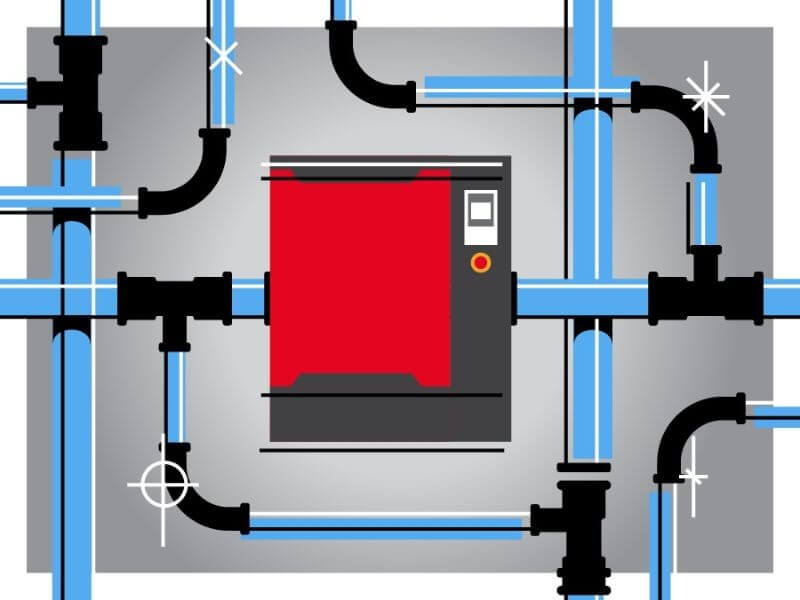
Your passion is vinification, ours is air compressors.
Compressed air accounts for a large amount of energy consumption in the wine production process, especially in the production of grapes. A
big part of wine-making is a result of the work of equipment and is dependent on its efficiency.
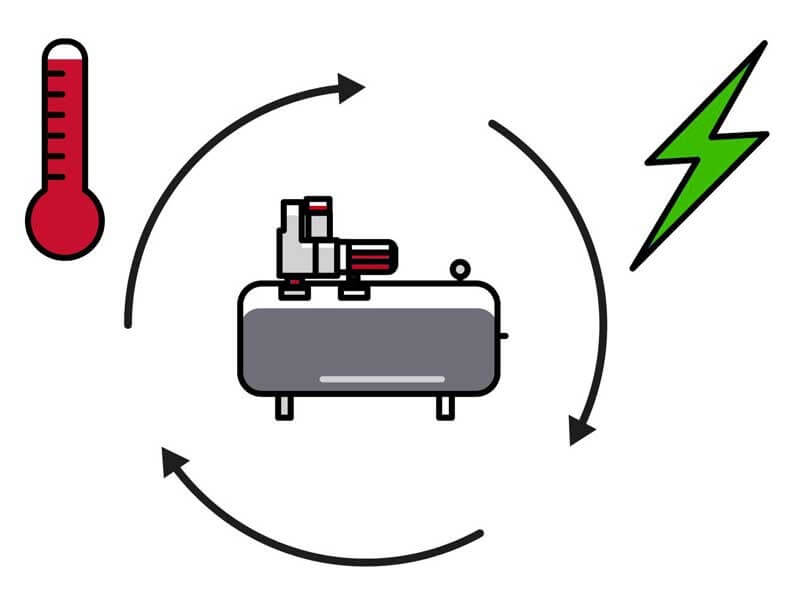
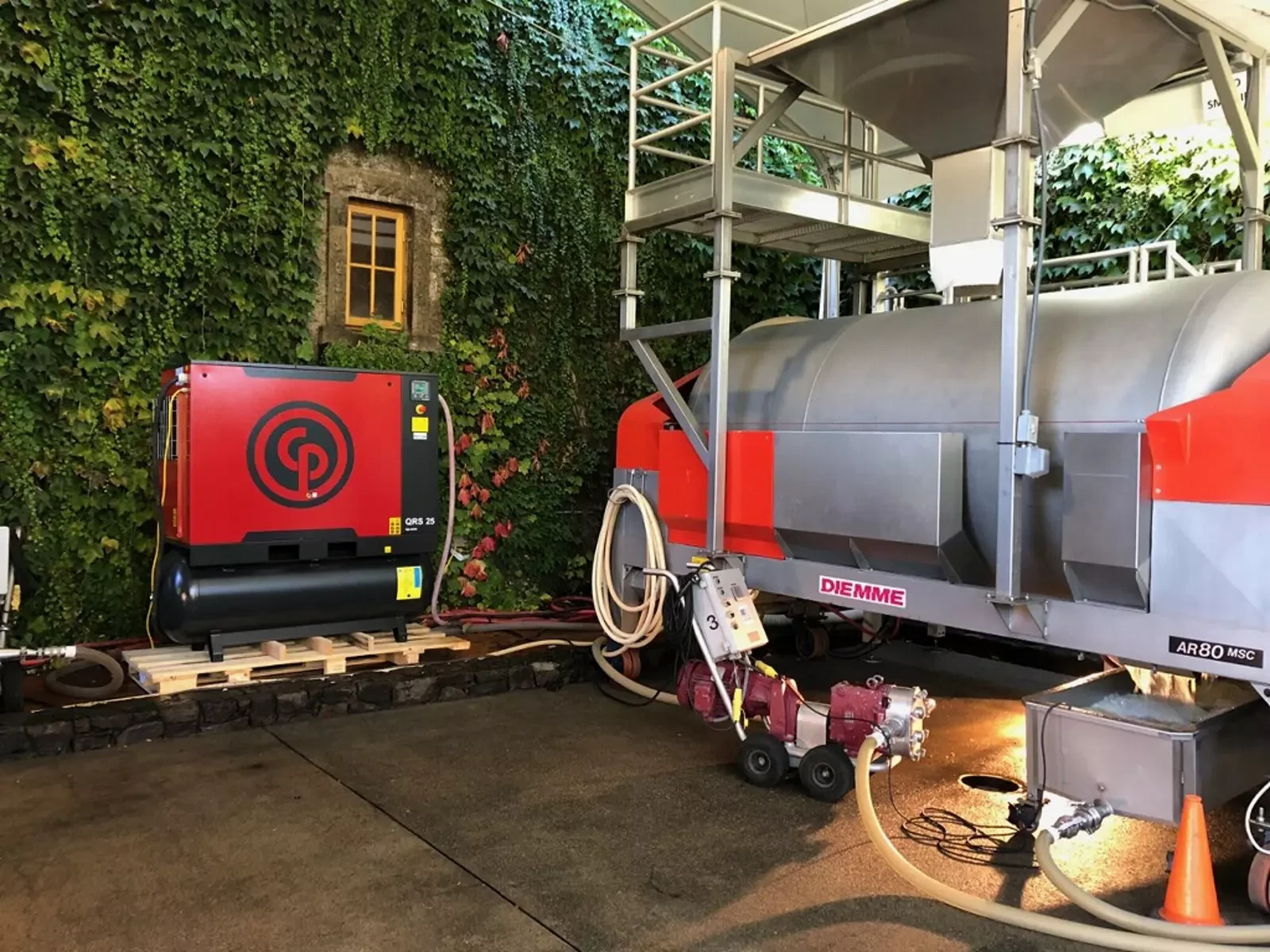
An air compressor should be located in well ventilated, shaded areas, out of direct sunlight. This includes the inlet for the compressed
air system which should be located away from heat sources such as the compressed air outlet, refrigeration or air conditioning plant and
equipment.
Winery
Equipment Uncorked: What is Powered by Air
Wineries of all sizes depend on compressed air for powering continuous-duty machines from crushing grapes to bottling, labeling and filling.
These machines require a very precise amount of clean, oil-free air to accomplish the following items:
Pressing Grapes: Air compressors are often paired with a bladder press to aid in pushing out the grapes juice through the
vent holes.
Crushing Grapes: Sadly, villagers do not stomp barefoot in vats to crush grape harvests anymore. Teaming up with a
pressurized bladder, compressed air slowly inflates the tank to press the grapes to the surface.
Heat & Cool Product: Monitoring temperature and keeping best temperature ranges during fermentation is a very critical
part of making a great wine. Excesses above or below the ideal range will have a direct impact on your finished wine, including whether or
not it finishes at all
Filter & Dry Product: Running a filtration system, which is the fastest and most efficient way to filter your finished
wine before bottling.
Aeration: Aeration is an essential process of introducing oxygen to the wine to round out and soften. Oil-free compressors
are ideal because they don't risk contaminating your masterpiece with oil - affecting the quality and the taste.
Bottling: Bottling is one of the most common uses for air compressors in wineries and smaller commercial operations.
Pressurized air is vital for moving wine from the conditioning tank or barrels to the bottle, and for keeping lines clean and free of water.
Bottling uses a lot of air, so getting the right unit is critical. If you select an undersized or non-continuous rated unit, it will most
likely get hot and start "spitting" oil into the lines. Even with a water trap, oil filters, and water filters, contamination will still get
through pneumatic lines and wreak chaos on your equipment.
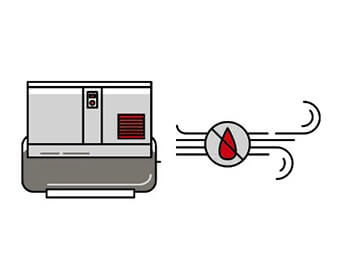
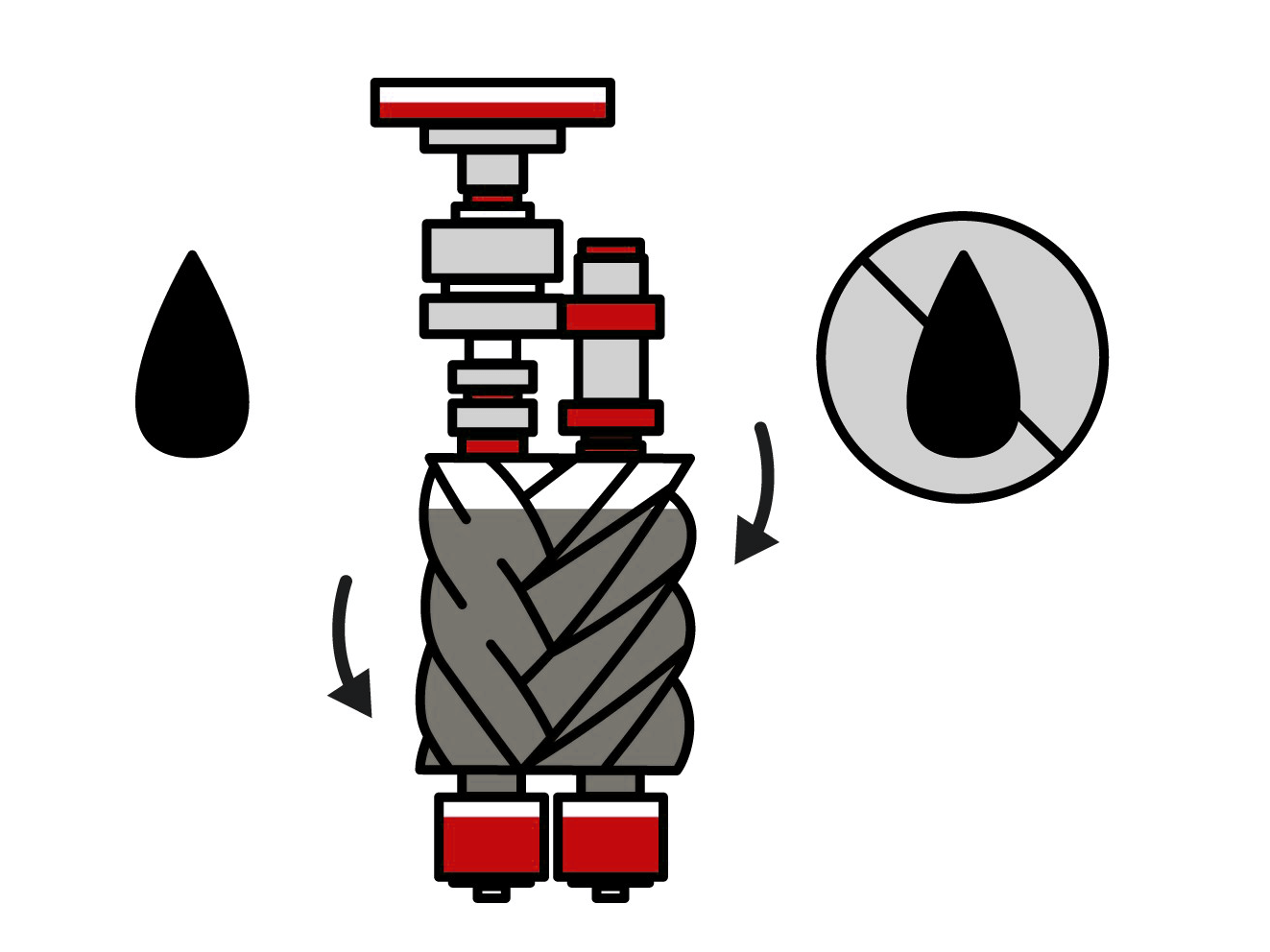
Clean Air = Clean Wine: No matter what size the operation, you will want an oil-free air compressor that is UL-listed,
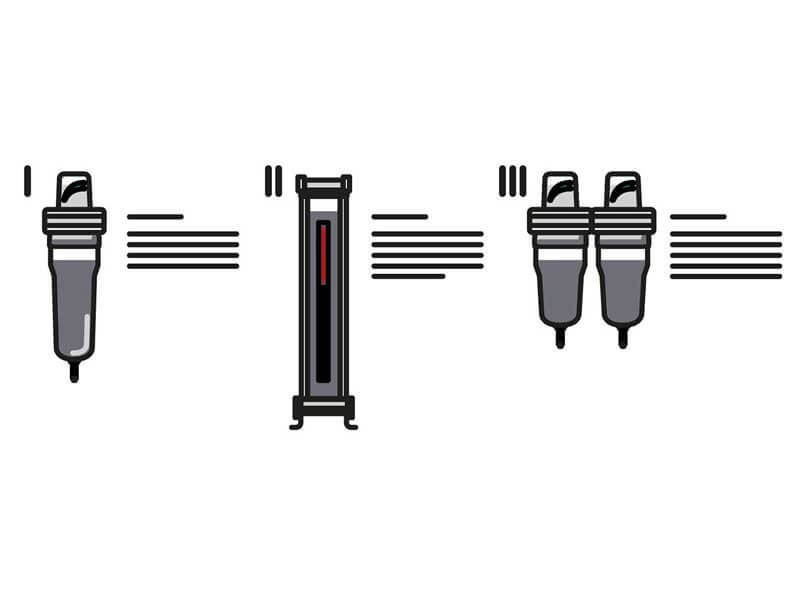
comes with an ASME-certified tank and uses the right combination of air treatment accessories to produce the most contaminant-free air
possible. But, if you're still using an oil-lubricated compressor, you'll need to incorporate refrigerated dryers and in-line air filters to
remove moisture, oil, and other airborne contaminants. Whether you are a large winery coop or an independent, small winery, choosing the
right air compressor and accessories will go a long way to protect your investment and the award-winning wine you create.
Our Air Compressor Pro's are here to help you develop a complete compressed air solution, providing you with the best selection and pricing
delivered right to your door. If you need help deciding which compressor is right for your winery, Ash Airhas you
covered.
As we wouldn't know which grapes to select for the perfect complex red, picking the right compressor for your winery can leave anyone unsure
on such a big decision.
Here
are a few tips to keep in mind when comparing compressors:
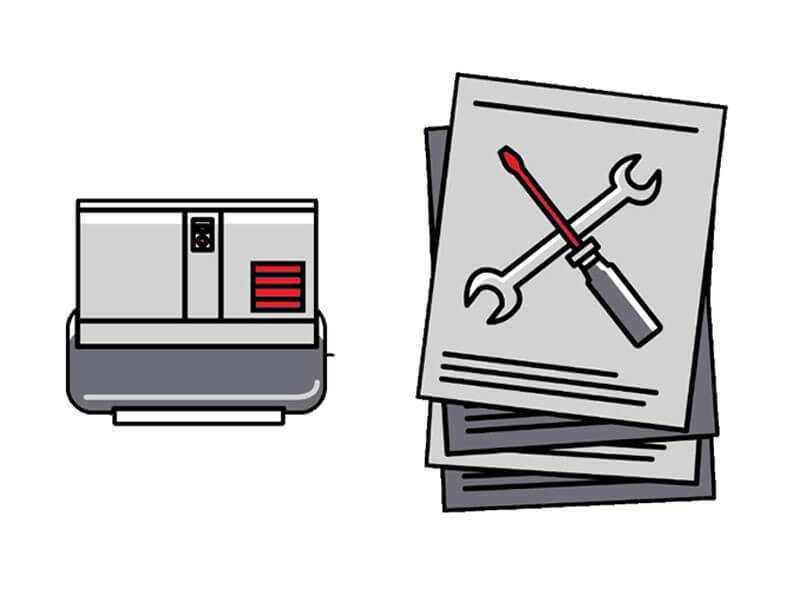
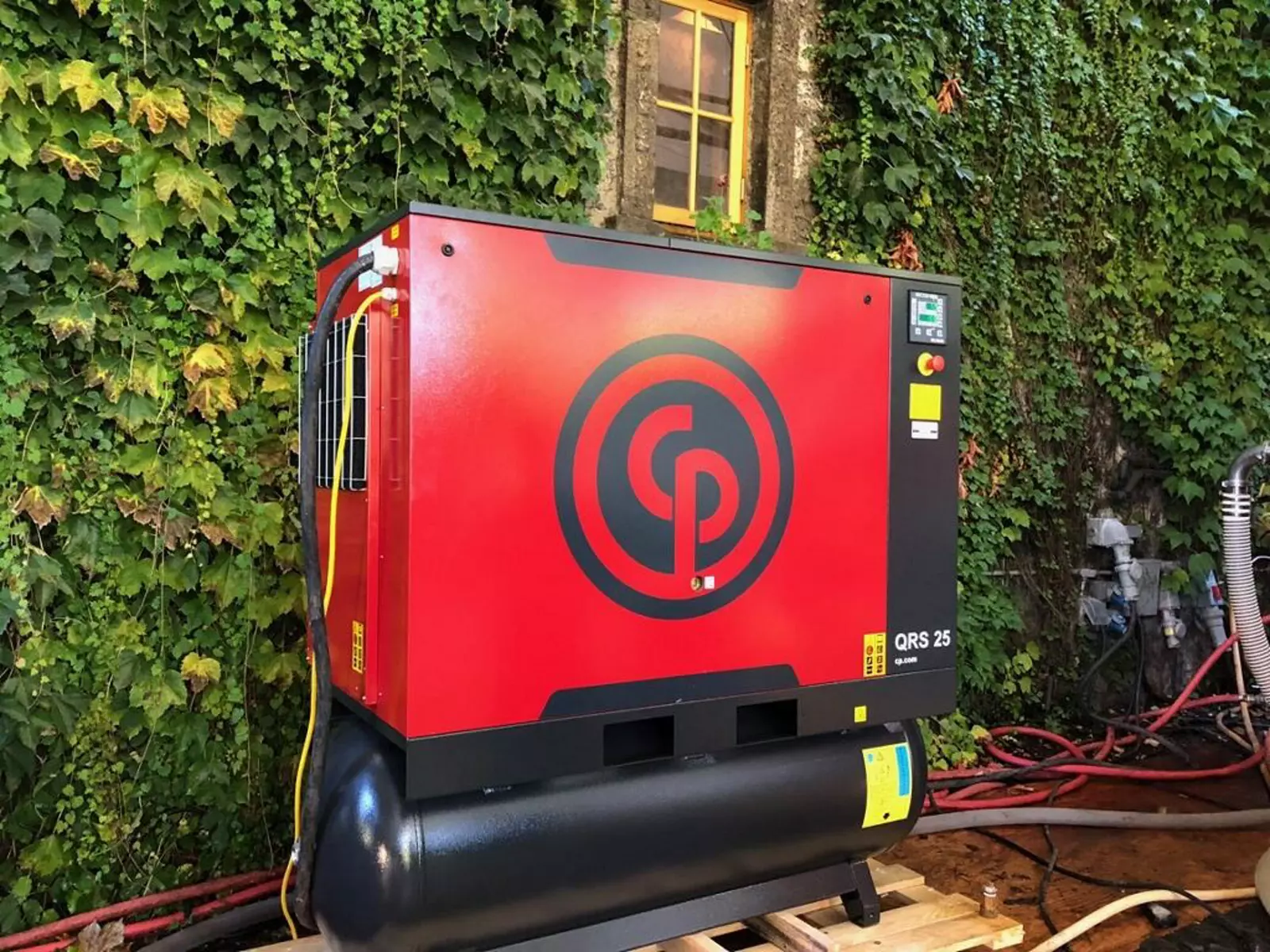
1. Maintenance: Select an air compressor that is easy to maintain and to get into. Chicago Pneumatic compressors
taking the guessing out of what to do. With detailed manuals to know what is required at each hour interval of your machine.
2. Replacement parts: Don't pick a machine that you have to track filters and parts down for. With a dedicated team
(help@ashair.co.nz) it's simple to order parts and keep your machine always working at it's optimal performance.
3. Noise: Yes, noise is something to consider when selecting your compressor. No one needs a nagging employee
complaining about the noise of a machine. Ask about the decibel chart and where the compressor ranks.
4. Installation: You need to be thinking about where this compressor is going to go. A quiet screw compressor should
go inside and can be right beside your employees with minimal noise. Looking to put your compressor outside? Keep in mind, not all
compressors are meant for outside. Weather is a huge component to harming your compressor, so make sure you ask if they have a "weather
kit".
6. Drains: Compressed air produces moisture in your machine. Drains are essential to draining that moisture out of
your machine. Make sure you ask where the drains are located, are they automatic and how often you should be manually draining.
The most energy demanding piece of equipment in a winery is often the air compressor.
Air compressors must be adequately sized for their application. Many businesses make the mistake of installing a
compressor, larger than necessary in size, to allow for future expansion.Our suggestion is to install a compressor that will operate closer
to peak capacity and add a back-up unit for periods of high demand. The back up compressor can be fitted with a variable speed control which
reduces the speed at which the motor operates during periods of low demand.
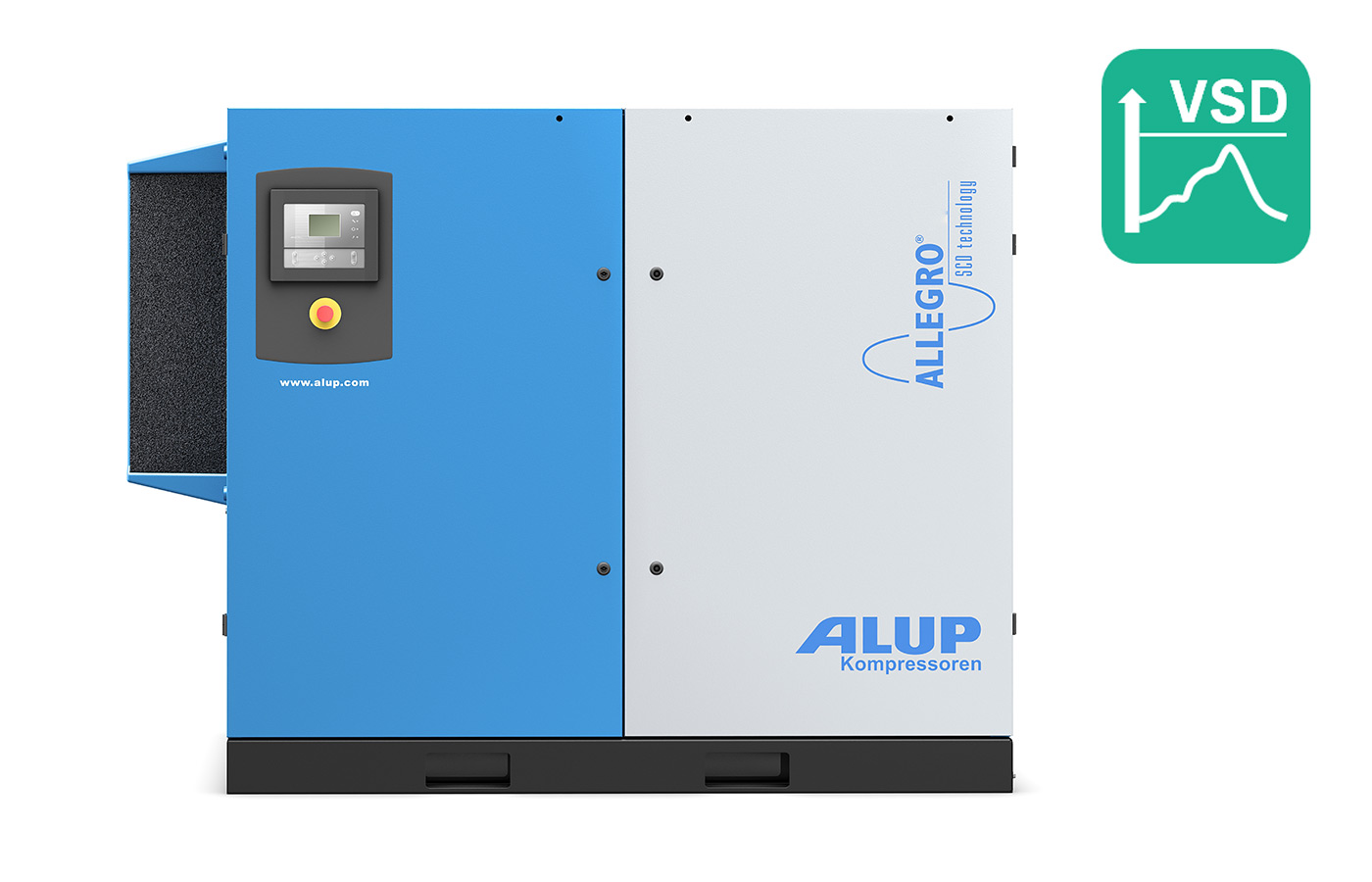
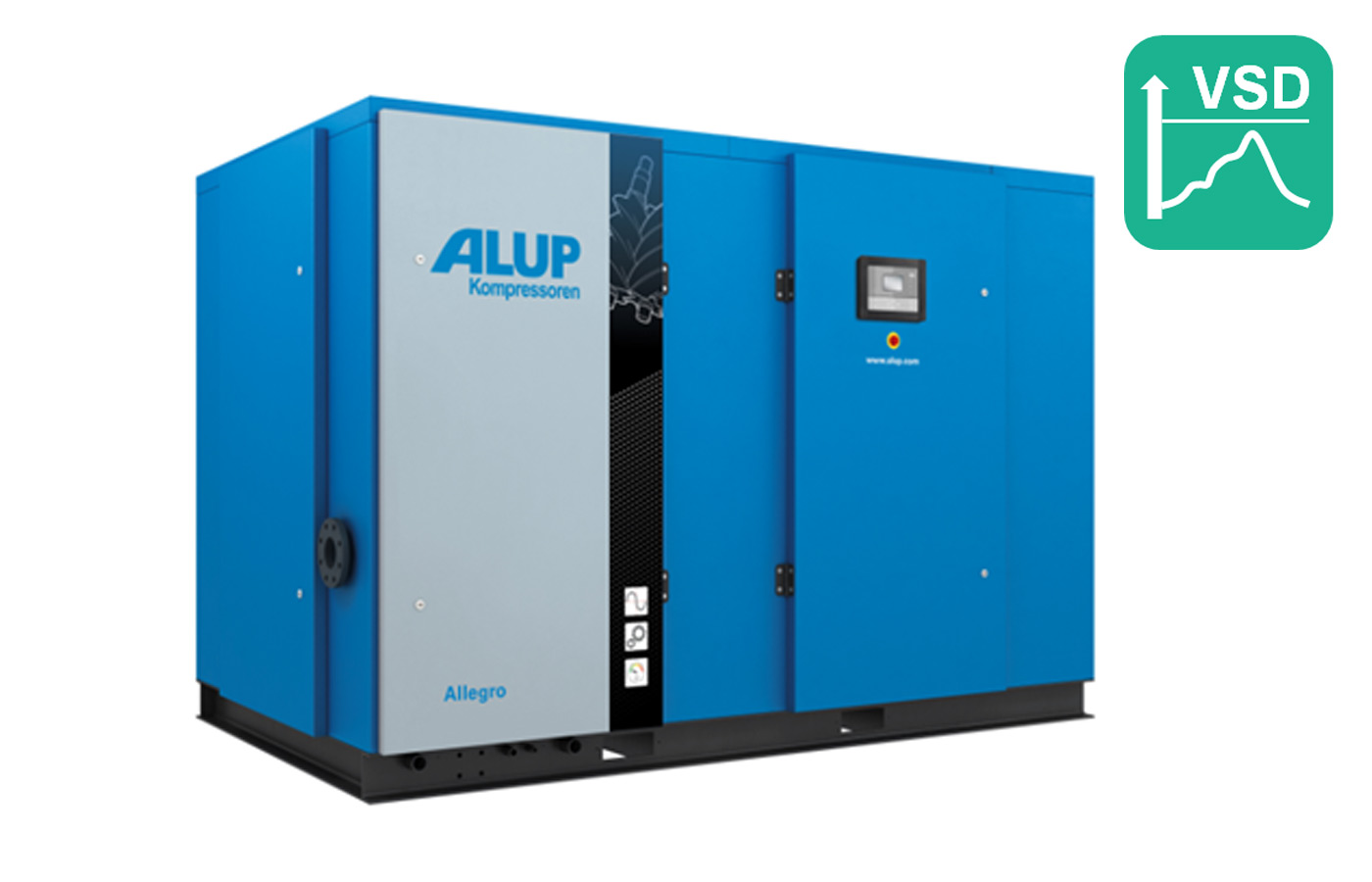
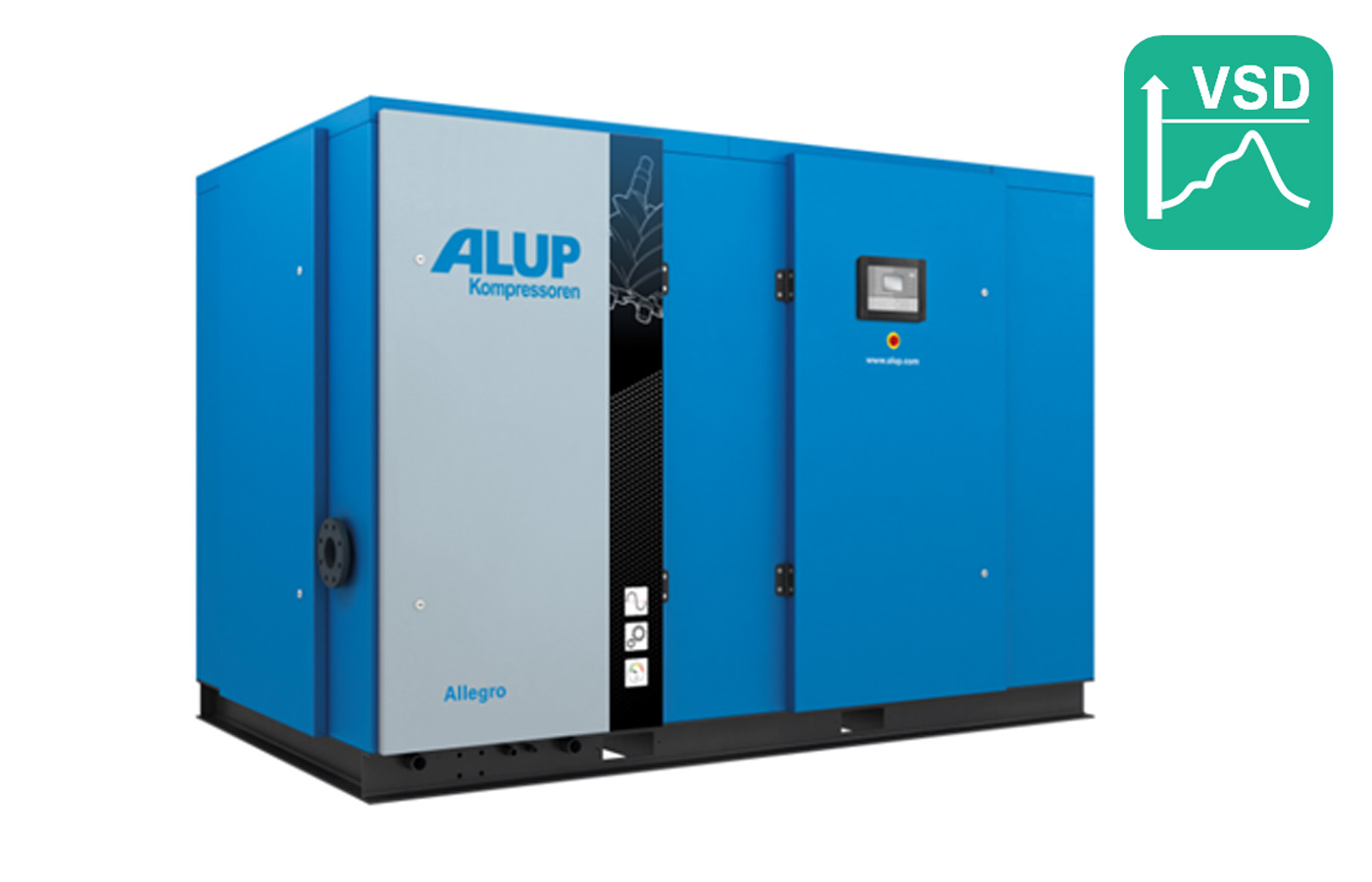
Energy Efficiency: Considered a Variable-Speed Compressor
Not only can a VSD save energy, especially when used with rotary or screw compressors which are quite inefficient at low or partial load,
but the compressor motor is also placed under less stress during start-ups and shut downs.
For smaller wineries that only use a single air compressor motor, the use of a VSD compressor can similarly reduce motor speed and deliver
significant savings of between 15 and 40%.
Explore Variable Speed Compressors
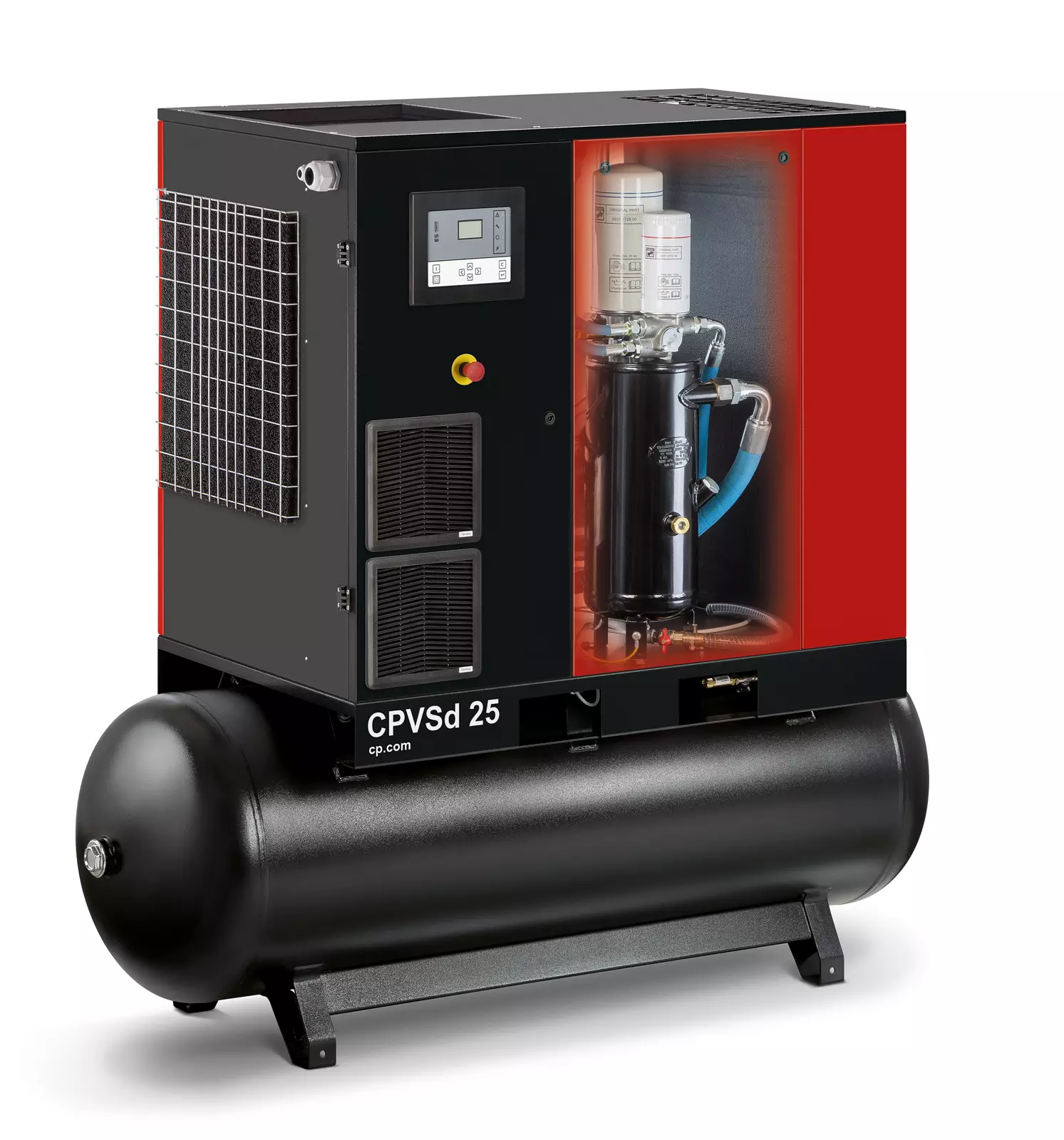
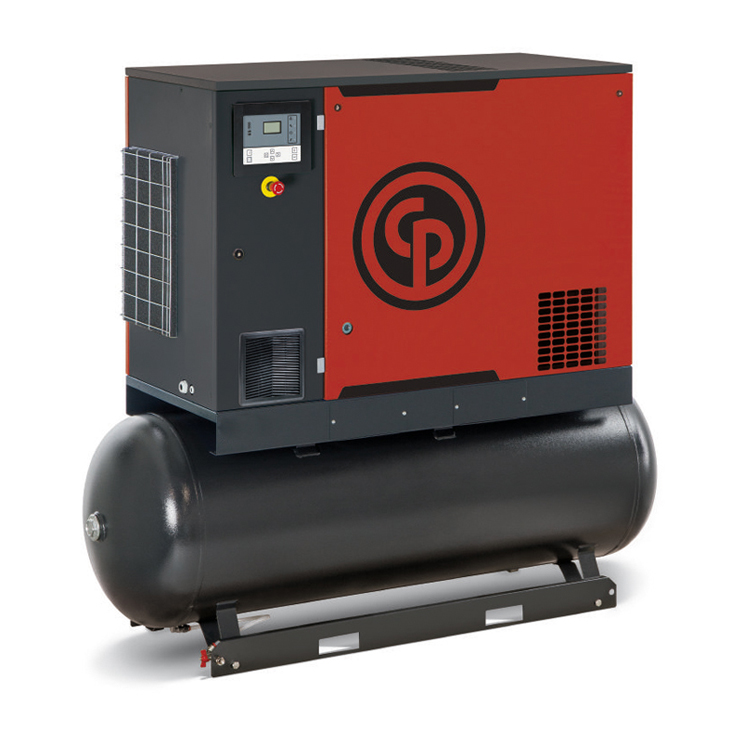
Chicago Pneumatic CPVSd 10 Oil Injected VSD Driven Screw Compressor with 270 L Receiver + Dryer
Who we are and how Ash Air can help your business!
Ash Air has been around in New Zealand since 1979, and we’ve grown into a nationwide company with international support and a
reputation for quality and reliability.We look after all things compressed air for your business!
Rotary Screw and Piston Air Compressors
Vacuum Pumps and Blowers
Nitrogen Generation
An extensive line of Air Treatment components
AIRnet Piping System and Filtration
Mobile Compressors, Generators, and Light Towers
Ash Air's range of Chicago Pneumatic, ALUP, Pneumatech, and Atlas Copco products are used extensively around the world in
industries ranging from oil and gas to food, automotive and farming, and we bring you these world-class compressors here in the land of
the long white cloud.Our technicians are compressed air equipment experts and are dedicated to addressing customer needs. Supported with
nationwide coverage, Ash Air offers one of the widest selections of compressed air, vacuum pump, and industrial gas equipment and parts
available today in New Zealand.
Reliability and Efficiency
With Ash Air, you can count on reliability and high performance for even the most demanding applications. We focus our efforts
on the following:
Increasing uptime
Reducing unexpected repairs
Reducing energy consumption and meeting our sustainability goals
Air compressors come in many types, rotary screw, piston, scroll, reciprocating, some are oil-free and other air compressors require oil
lubrication. Like many businesses, an efficient air compressor is at the heart of their operations. So, which type of compressor should you
choose? What makes a compressor, like a rotary screw, unique? Here are some clear cut benefits of equipping your business with a rotary
screw compressor.
Read More…
In the world of compressors, there are often significant and unutilized energy-saving possibilities including energy recovery, pressure
reduction, leakage reduction and optimization of operations through correct choice of a control and regulation system as well as the choice
of compressor size.We are going to take a look at some of the opportunities for minimizing the compressor’s operating costs.
Read More…
Many installations that produce compressed air offer significant and frequently unutilized energy
saving possibilities in
the form of waste energy recovery. In large industries, energy costs can amount to 80% of the total cost of compressed
air production.
However, a lot of this energy can be recovered, which in turn will save you a lot of money.
Read More…
Liquid water in compressed-air systems can lead to rusted equipment and unresponsive controls. Anyone who uses compressed air will, at some
point, find liquid water in the air distribution system. This can be anything from a nuisance to a serious problem, depending on the
application. If water might corrode equipment or introduce bacteria, removing it is critical.
Read More…
Liquid water in compressed-air systems can lead to rusted equipment and unresponsive controls. Anyone who uses compressed air will, at some
point, find liquid water in the air distribution system. This can be anything from a nuisance to a serious problem, depending on the
application. If water might corrode equipment or introduce bacteria, removing it is critical.
Read More…
Whenever most people think about a compressor, they probably have a piston compressor in mind. You might already know there are two basic
principles of air compression. One of those is the principle of displacement compression. There are a lot of compressor types that classify
as a displacement compressor. The piston compressor is one of them, oil-lubricated or oil-free.
Read More…
Once you have the size and type of
compressor figured out, one last question remains, should I go with an oil lubricated or oil-free air compressor. To not overcomplicate the
answer, your choice should be based on the application and process that the compressed air will be utilized in.
Read More…
Like all compressor types, rotary screw models do require periodic maintenance. Thanks to the simplicity of the internal components,
maintenance is relatively easy on most rotary air compressors. As long as you stick to a rotary screw compressor maintenance schedule, you
will likely be rewarded with many, many years of optimal productivity from your machine.
Read More…
Did you know, the biggest part of the air we breathe is nitrogen? Everyone needs oxygen to survive, however air is made up of 78% nitrogen,
only 21% oxygen and tiny amounts of other gases. Although, the human body does not use this nitrogen, it is very helpful in various
industrial applications. There is an unlimited source of nitrogen readily available, allowing you to achieve needed purity at a fraction of
your current annual nitrogen cost.
Read More…
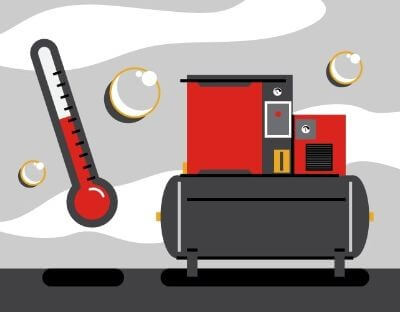
If you notice that your compressor is getting hot and bothered, there may be heating issues affecting your air compressors performance. Did
you know that an overheating compressor is top of the pops for being the most common cause of compressor failure.
Read More…
A rotary-screw compressor is an air compressor that uses a rotary-type positive-displacement mechanism, typically used replace piston
compressors where large volumes of high-pressure air are needed, either for large industrial applications or to operate high-power air
tools.
Read More…
Have a look around and what do you see? What are you thinking about? Your next holiday to Queenstown maybe? You might go snowboarding with
the kids or have some alone time at the Day Spa. Whatever holiday you choose, compressed air is involved in some way, without you even
realising it!
Read More…
There are crucial reasons why you should service and maintain your compressor regularly, with the most common issues being piston failure
caused by wear of components, increased friction, corrosion, reduced cooling, overheating bearings and components, clogging of air filters.
Read More…
Our passion for energy efficiency and cost saving derives from the concern for our children’s future. Analysing the efficiency of your
system is a brilliant way to start saving.
Read More…
Compressed air is all around us, from the air in a balloon to pumping up tires on your bicycle. In this article we will explain what
compressed air is and how it is created. Whether you know it or not, compressed air is involved in every aspect of our lives, from the
balloons at your birthday party to the air in the tires of our cars and bicycles. It was probably even used when making the phone, tablet or
computer you’re viewing this on.
Read More…
One of the biggest challenges is to correctly size your new air compressor. Similarly to everything else, new compressors available on the
market are more efficient and employ better technology, therefore you have to understand the application and usage to size the machine
correctly. Choosing the wrong air compressor for your facility can lead to problems with production and or increased costs due to wasted
energy.
Read More…
Once you have the size of the air compressor figured out, the
next thing to do is to decide on the type of compresor you will need for your application - piston, rotary screw compressor etc. Let us take
a look at two of the most popular options available. When choosing the right type of compressor, you should ask yourself the following
questions:
Read More…
Which vacuum pump do I need? - this is one of the most frequent questions we receive and this is understandable, because there are number
of technologies which can provide the same vacuum level and pumping speed. Here is quick advice on how to choose the best vacuum pump for
your needs.
Read More…
You may be asking, why does my air compressor start, then stop? Allow us to take the guessing out of it. We understand your pain. We know
that a compressor problem can quickly result in hours (if not days) of production downtime and loss of revenue. When your compressor
continuously shuts off from on, we refer that as a short cycle. There are a few reasons that a short cycle may be happening with your
compressor.
Read More…
Air compressor leaks are very common in all applications, but can be very costly and difficult to find. On average, 20-30% of the compressed
air used in a manufacturing plant is wasted as leaked air. Finding and fixing these leaks can save your business thousands of wasted dollars
a year.
Read More…
When installing a compressed air system into a business, people often look to PVC piping as an option to build a piping system because it is
cheap, versatile and easy to install. However, using PVC pipe in any compressed air application is extremely dangerous and NOT recommended
by multiple associations and manufacturers.
Read More…
Changing the oil and oil filters on your compressor is one of the most common routine maintenance tasks to perform to keep your compressor
running efficiently. After you remove your old oil and oil filter, you may find yourself wondering, “Where do I dispose of these?”, or “Can I
just throw them in the trash?”. Because oil is toxic and a pollutant, disposing of your old oil and filters is not as simple as just tossing
them in the trash.
Read More…
 Winery
Equipment Uncorked: What is Powered by Air
Winery
Equipment Uncorked: What is Powered by Air
 Here
are a few tips to keep in mind when comparing compressors:
Here
are a few tips to keep in mind when comparing compressors: