Compressed air is one of the most widely used forms of energy throughout many industries, with approximately 70% of manufacturers using a
compressed air system.
Compressed
air can be one of the most expensive forms of energy for manufacturing plants, often using more energy than other equipment. One
horsepower of compressed air requires eight horsepower of electricity. With many air compressors running at efficiencies as low as 10%,
there’s often plenty of room for improvement. Fortunately, 50% of compressed air systems at small- to medium-sized industrial facilities
have opportunities for low-cost energy conservation.
Air Compressor Efficiency
What influences air compressor energy efficiency? Such factors include type, model, size, motor power rating, system design, control
mechanisms, uses and maintenance schedule. The chief reason for inefficient air compression is the loss of heat generated from the increased
temperature of pressurized air and from friction caused by the system’s many moving parts.
When it comes to air compressor efficiency, it’s important to examine the entire system, which includes not only the air compressor itself
but supply lines, air storage tanks, air dryers, receivers and after-coolers. By making the right adjustments to your compressed air system,
you can save significant amounts of energy and money.
What Factors Make Air Compressors Inefficient?
Many factors can contribute to an air compressor’s inefficiency. Air compressor performance may grow less efficient with time when any of
the following factors are at work:
Poor quality air intake: An air compressor’s efficiency can be significantly reduced if the incoming air is too hot,
contains impurities or has high humidity.
Inconsistent air pressure controls: The air compressor controls deliver an inconsistent or sustained high pressure.
When air compressors run closer to the maximum pressure, they can put increased strain on the system and reduce efficiency.
Design system flaws: Flaws in the system design can cause an air compressor to become less efficient. Design flaws may
include an improperly sized distribution system, lack of recovery system and increased heat waste, unnecessary bends in the pipes and
unfixed leaks.
Mismatched air compressor: The air compressor doesn’t match or is poorly tuned to the compressed air needs of your
devices. When air compressors are mismatched to the application, the compressor’s efficiency and overall performance are significantly
reduced.
Decreased pressure: Pressure drops in your air compressor system can have a noticeable impact on your air
compressor’s efficiency. A pressure drop may occur from improperly sized pipes, excess moisture, dirty filters or long air travel distances.
Irregular maintenance: Inconsistent maintenance will cause the system to wear prematurely and increase repair
expenses. Due to the number of moving parts and the heavy usage of these systems, failure to set a regular maintenance schedule can
make air compressors inefficient.
How to Maximize Compressor Efficiency
Maximizing air compressor efficiency usually starts with determining what factors are wearing the system down.
Energy-efficient compressors depend on both the controls and the design to provide maximum efficiency.
The most efficient air compressor system will require properly tuned controls that run closer to the minimum pressure and a
well-maintained system design that matches the application.
Improve your system’s efficiency with the following approaches:
Improve the quality of the air intake.
Match the air compressor controls.
Improve system design.
Consider compressed air needs.
Minimize pressure drop.
Maintain your compressor.
By maximizing compressor efficiency using these approaches, you can also boost air compressor performance and increase its lifespan.
Improve the Quality of the Air Intake
There are three components of the air compression system that influence performance:
Temperature: The temperature of the intake air determines the density of the air. Cool air requires less energy to
compress, making it far more efficient to pump into the air compressor system. Avoid using hot air, which has a lower density, as it will
significantly reduce your productivity.
Composition: Clean intake air ensures that compressed air can move more smoothly through the system. Dirt, dust
or other impurities in the air will accumulate inside an air compressor. These contaminants can build up on vital parts
and cause wear as well as reduced storage capacity.
Humidity: Moisture can be harmful to an air compression system since it accumulates inside the system, causing
components to rust. This may lead to wear and tear as well as leaks and reduced storage capacity. Dry air is less likely to damage your air
compression system and tools performing work at the point of use.
Match the Air Compressor Controls
Air compressor controls match the compressor output with the demands of the compressor system, which may consist of a single compressor or
multiple compressors. Such controls are essential for air compressor system efficiency and well as high performance.
Compressed air systems are designed to maintain a certain range of pressure and to deliver a volume of air that varies with end-user
demands. The control system decreases compressor output when the pressure reaches a certain level. If pressure drops, on the other hand,
compressor output is increased.
The most precise control systems can maintain low average pressure without falling below system requirements. Falling below system
requirements may cause equipment to malfunction. This is why it’s so important to match system controls with storage capacity.
The following controls can help increase the efficiency of single compressors:
Start and stop controls turn compressors on and off depending on pressure.
Load and unload functions unload the compressor to discharge pressure.
Modulating controls manage flow need, while multistep controls allow compressors to operate at partially loaded conditions.
Dual-Control and Auto-Dual controls allow the selection of either start/stop or load/unload.
Variable displacement can operate in two or more partially loaded conditions.
Variable speed drives continuously adjust drive motor speed to meet variable demand requirements.
Systems with multiple compressors use system master controls to coordinate all the functions necessary to optimize compressed air.
System master controls can coordinate compressed air systems when complexity exceeds the capabilities of local and network controls. Such
controls can monitor system components and trend data to enhance maintenance functions.
Pressure and flow controllers store higher pressure air, which can later be used to meet fluctuations in demand.
A well-designed system should use the following:
Demand control
Storage
Compressor controls
Good signal locations
Overall control strategy
The primary goal of such a system is to deliver compressed air at the lowest stable pressure while supporting fluctuation with stored higher
pressure compressed air.
For multiple compressors, sequencing controls can meet demand by running compressors to meet system loads while taking them offline when not
needed. Network controls also help manage loads for the entire system.
Improve System Design
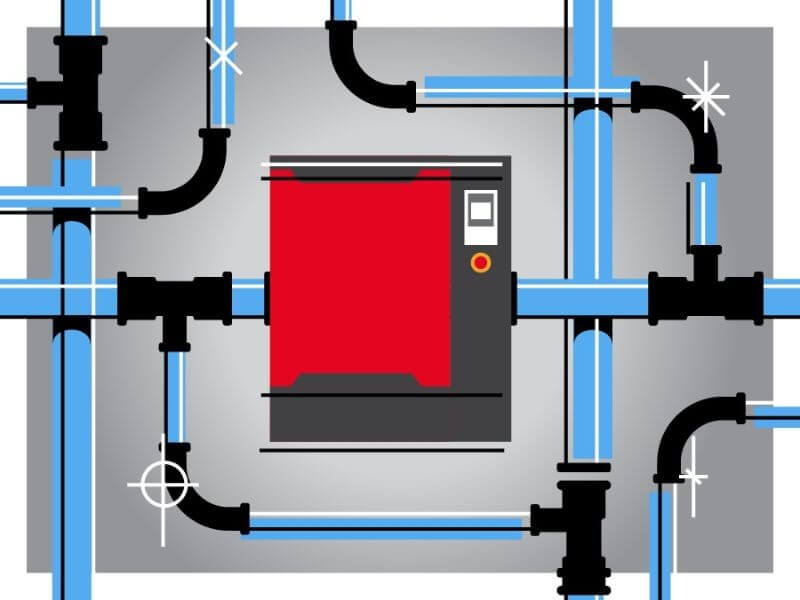
There are six ways to improve the design of your air compressor system.
Straighten the path. Narrow delivery lines or sharp bends in those delivery lines can cause increased friction and
pressure drops in the system, which means less pressure reaching the point of use. A better design without so many bends and loops should
produce more pressure using the same energy.
Save energy when needed. A storage tank, or receiver, can buffer short-term demand changes and reduce on/off cycling. A
tank can also prevent system pressure from dropping below minimum pressure requirements when demand is at its highest.
A pressure drop may cause the system pressure to increase, resulting in wasted air pressure. Tanks are
sized depending on the power of the compressor. A 50 horsepower air compressor, for example, needs a 50-gallon air receiver tank.
Cool the intake air. Since the energy needed to compress cool air is less than the energy needed to compress warmer
air, you can reduce the energy required for compression by moving the compressor intake into a shaded area outside. A reduction of 20
degrees Fahrenheit, for example, can lower operating costs by almost 3.8%.
Use several small compressors. Oversized air compressors can be very inefficient because they use more energy per unit
while operating with a partial load. Such systems may benefit from the use of many smaller compressors with sequencing controls, permitting
portions of the system to be shut down merely by turning off some of the compressors.
Recover waste heat. Waste heat can be used for boiling water for space heating and heating water. A properly designed
heat recovery unit can recover 50-90% of the electrical energy used in air compression.
Locate near areas of high demand. By locating air receivers near sources of high demand, it’s easier to meet demand
with reduced overall compressor capacity.
Consider Compressed Air Needs
Examine the load profile. A properly designed compressed air system should consider the load profile. If there are
wide variations in air demand, the system will need to work efficiently when it’s under part-load. Multiple compressors will provide more
economical energy use when there are large fluctuations in demand.
Minimize artificial demand. Artificial demand is the excess air volume required for unregulated use when using higher
pressure than necessary for applications. If an application requires 50 psi and receives 90 psi, the system is producing unused air.
Pressure regulators at the end-use can minimize artificial demand.
Determine the correct pressure needed. Required pressure levels must consider system losses from filters, piping,
separators and dryers. Raising discharge pressure will increase the demand for unregulated usages, such as leaks. In other
words, pressure increases will generate increased inefficiency. For example, a 2-psi increase in header pressure will increase energy
consumption by as much as 1% because of the consumption of unregulated air. To save energy, you should consider how to achieve high
performance while reducing system pressure.
Examine proper supply and demand. Verify that air compressors are not too large for end-use. Consider all end-use,
quantifying the volume of air needed for each application. A general assessment of your entire compressed air system should help investigate
the distribution system for problems and minimize inappropriate uses of air.
Use block diagrams and pressure profiles. Block diagrams will help identify all components in an air compression
system. A pressure profile reveals the pressure drops in the system, which should provide feedback for adjusting controls. To complete a
pressure profile, you’ll need to take measurements of the inlet to the compressor, the differential
across the air/lubricant separator and the interstage on multi-stage compressors. By data logging system pressures
and airflow, you can determine system disruptions, intermittent loads, system changes and general conditions. Variations in pressure
and airflow can be managed with system controls to minimize the impact on production.
Use compressed air storage. Storage can control demand events during demand peaks by reducing the rate of decay and
the amount of pressure drop. It can also protect critical operations from other events in the system by turning off a compressor if
necessary.
Minimize Pressure Drop
Pressure drops occur as compressed air travels through the distribution system. Excessive pressure drops may cause poor performance and
elevated energy consumption. Pressure drops upstream from the compressor signal result in lower operating pressure for the end-user. This
requires higher pressures to meet the compressor control settings. Before adding capacity or increasing system pressure, be sure to reduce
pressure drops in the system. Compressed air equipment should be operated at the lowest efficient operating pressure for best results.
The following are ways to reduce pressure drops:
Maintain proper system design. The most common reason for excessive pressure drop is the use of inadequate pipe size between the
distribution header and the production equipment. This can happen if you choose piping based on the expected average compressed air demand
without considering the maximum flow rate.
Maintain air filtering and drying equipment to minimize moisture.
Ensure filters are free of dirt that restricts airflow and causes pressure drops. Timely maintenance and replacement of filter
elements are critical to reducing pressure drop.
Choose separators, dryers, filters and aftercoolers with the lowest possible pressure drop. A typical pressure differential for a filter,
hose and pressure regulator is 7 pounds per square inch differential (psid).
Choose regulators, hoses, lubricators and connections offering the best performance at the lowest pressure differential.
Reduce the distance air travels through the compressed air system.
Many tools can operate effectively with air supply of 80 pounds per square inch gauge (psig) or less. By reducing the air compressor
discharge pressure, you can reduce leakage rates, improve capacity and save money. However, reductions in operating pressure may
require modifications to pressure regulators, filters and storage size. Keep in mind that if system pressure falls below minimum
requirements, equipment may no longer function properly.
Reducing pressure drops allows a system to operate more efficiently at lower pressures. For machinery that uses large amounts of compressed
air, operating the equipment at lower pressure levels can provide significant energy savings. Components like larger air cylinders may be
necessary to maintain proper functionality at lower pressure levels, but the energy savings should exceed the cost of additional equipment.
Maintain
Your Compressor
Poorly maintained air compression systems can cause wasted energy and money. This makes it important to constantly check your systems for
leaks, premature wear and tear and the accumulation of contaminants.
Fix Leaks
Wasted air is the leading cause of energy loss in air compression systems, wasting as much as 20 to 30% of a compressor’s output. Even small
leaks can be very costly, leaking large amounts of air over time if left uncorrected. Keep in mind, the loss of air is proportional to
the size of the leak and the amount of supply pressure in the system.
Leaks not only waste energy but also cause drops in system pressure that make air tools less efficient. This lack of pressure
means that equipment will run longer to achieve the same results. Increased running time also means additional maintenance and even
downtime.
Detecting and fixing leaks can reduce energy loss to less than 10% of the compressor output. Leaks can be found anywhere in
the compressed air system, but most leaks occur in pressure regulators, open condensate traps and shut-off valves, disconnects, pipe joints,
thread sealants, couplings, hoses, tubes and fittings.
To estimate the leakage in your compressed air system, take measurements that will determine the time it takes for the compressor to load
and unload. Air leaks will make the compressor cycle on and off because of pressure drops caused by leaks. Calculate the percentage of total
leakage by using the following form: Leakage (%) = [(on-load time in minutes x 100) / (on-load time in minutes + off-load time in minutes)].
In a well-maintained system, the percentage should be less than 10%. A poorly-maintained system will reveal leakage of 20% or more.
Leak detection: An ultrasonic acoustic detector offers the best chance of locating leaks by recognizing the hissing sounds.
Ultrasonic detectors offer the benefit of speed, accuracy, ease of use, versatility and the ability to run tests while equipment is running.
If you don’t have an ultrasonic leak detector, you can apply soapy water with paint brushes to likely trouble spots.
Leak repair: Once you locate a leak, repairing it may simply be a matter of tightening connections. However, it may also
require replacing couplings, pipe sections, hoses, joints, traps, fittings and drains. Be sure to fit them with the proper thread sealant.
Until you can repair a leak, you can reduce leaks by lowering the pressure in the compressed air system. Stabilize the system header
pressure at the lowest range to minimize leakage rate.
Prevention. A proper leak prevention program can help identify and address future leaks. It will also help maintain an
efficient, stable and cost-effective air compression system. A leak prevention program can be beneficial by doing the following:
Determine the cost of air leaks. This will serve as a baseline to determine the effectiveness of repairs.
Identify leaks. Although an ultrasonic acoustic leak detector is most effective, a hand-held meter can also help
identify leaks.
Document the leaks. Record the size, location, type and estimated cost of a leak so you can track where and how
leaks occur.
Prioritize larger leaks.
Adjust controls to maximize energy use.
Document repairs. Such documentation can indicate the equipment that may be causing reoccurring problems.
Periodic reviews. Periodic checks will help keep your system efficient.
Change Filters.
Filters are used to ensure that clean air reaches end-users. Dust, dirt and grease can clog filters, causing a drop in system air pressure.
If filters aren’t cleaned, pressure drops can require more energy to maintain the same pressure. Also, be sure to use low-pressure drop,
long-life filters and also size these filters based on the maximum rate of flow.
Maintenance.
Be sure that procedures are in place for maintaining the compressed air system and that employees are properly trained in these procedures.
This should keep the system running efficiently for years to come.
Fortunately, there are many approaches to improving the efficiency of your compressed air system. With proper maintenance, there’s no reason
your system can’t provide cost savings along with high performance.
Ash Air's Efficient Air Compressors
Ash Air can ensure high performance and minimal energy use with power-saving options on its line. Energy efficiency translates to cost
savings for your business.
Who we are and how Ash Air can help your business!
Ash Air has been around in New Zealand since 1979, and we’ve grown into a nationwide company with international support and a
reputation for quality and reliability.We look after all things compressed air for your business!
Reciprocating, Screw, air compressors
Vacuum pumps
Nitrogen
An extensive line of air treatment components
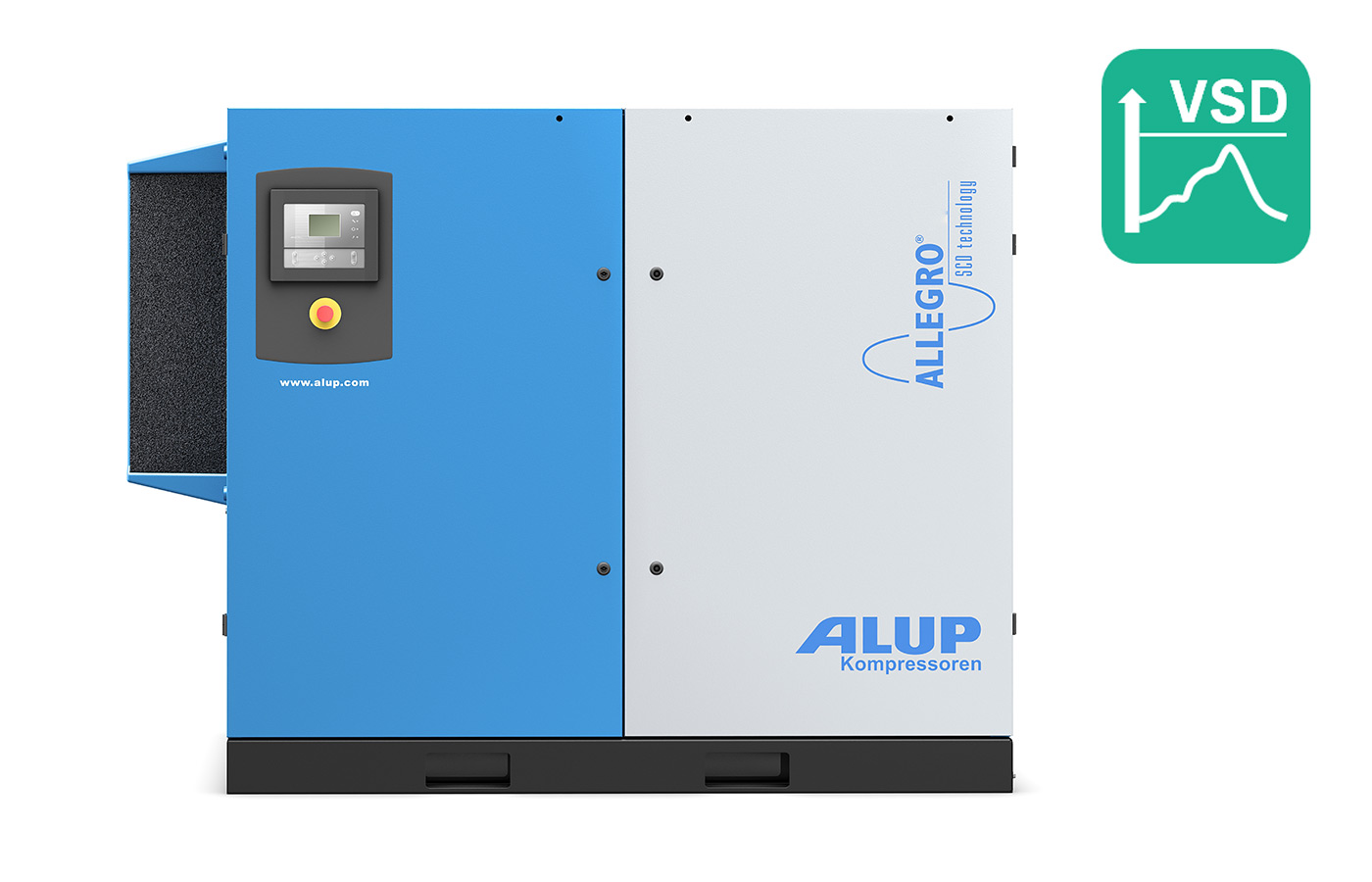
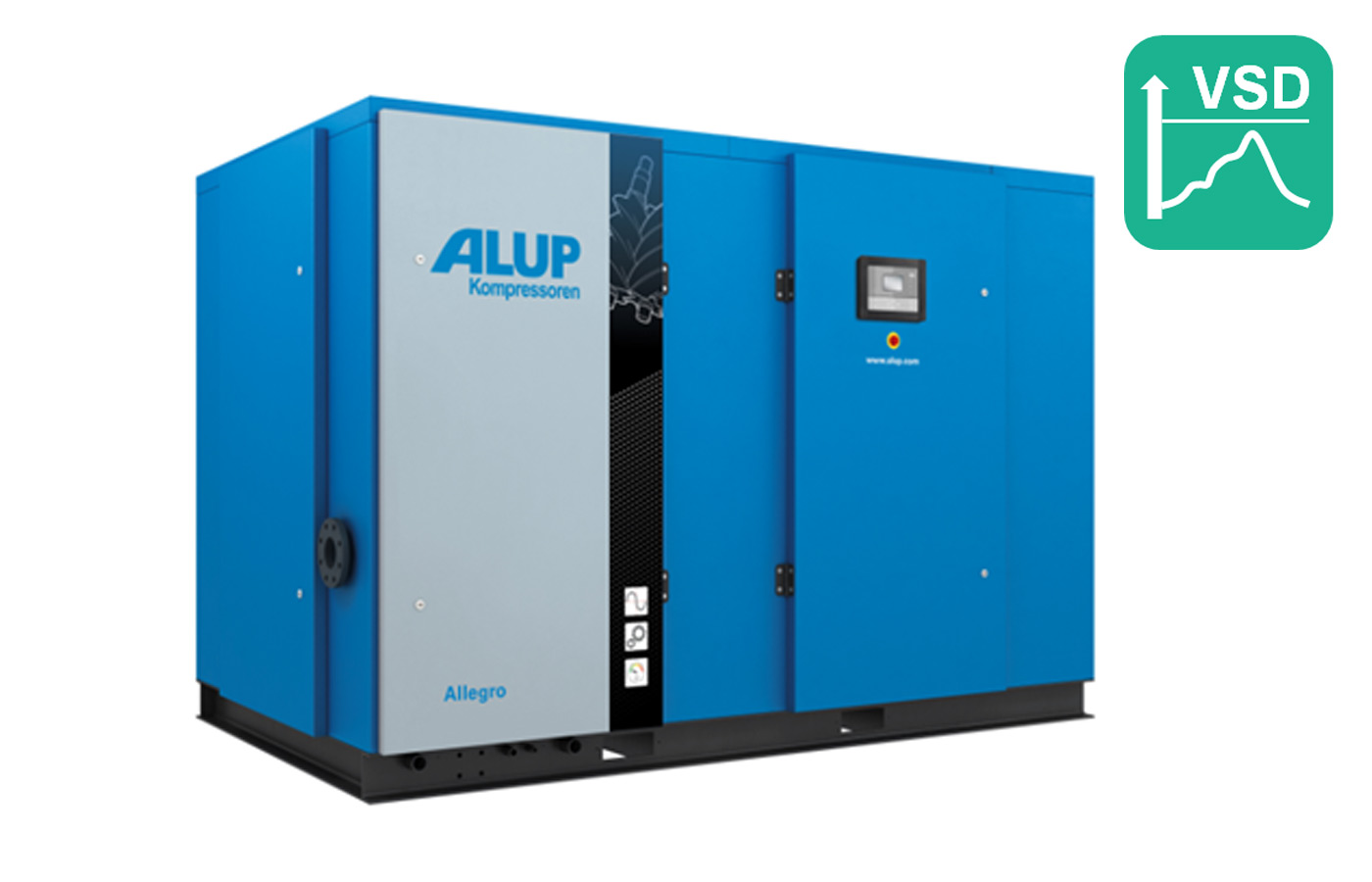
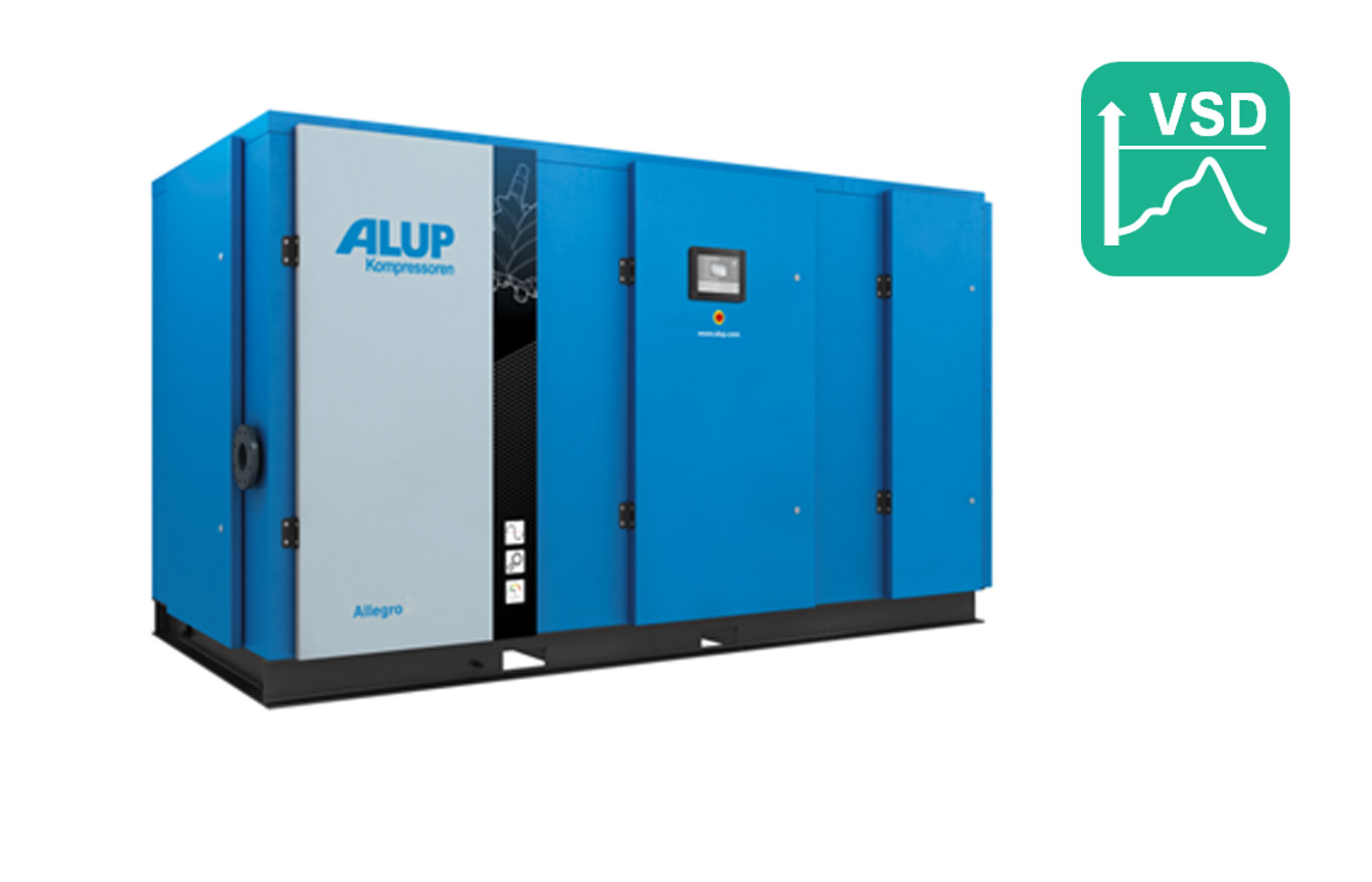
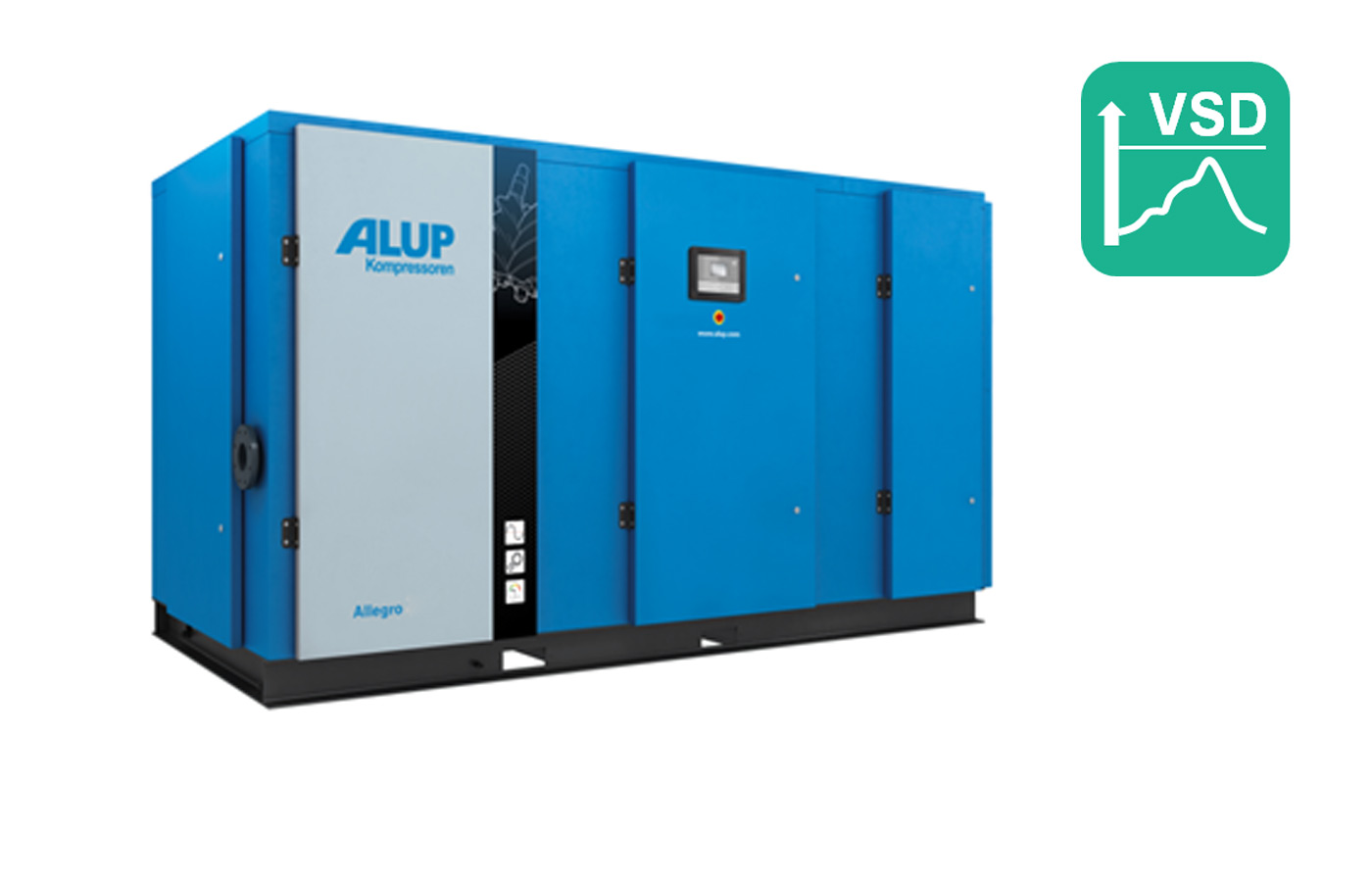
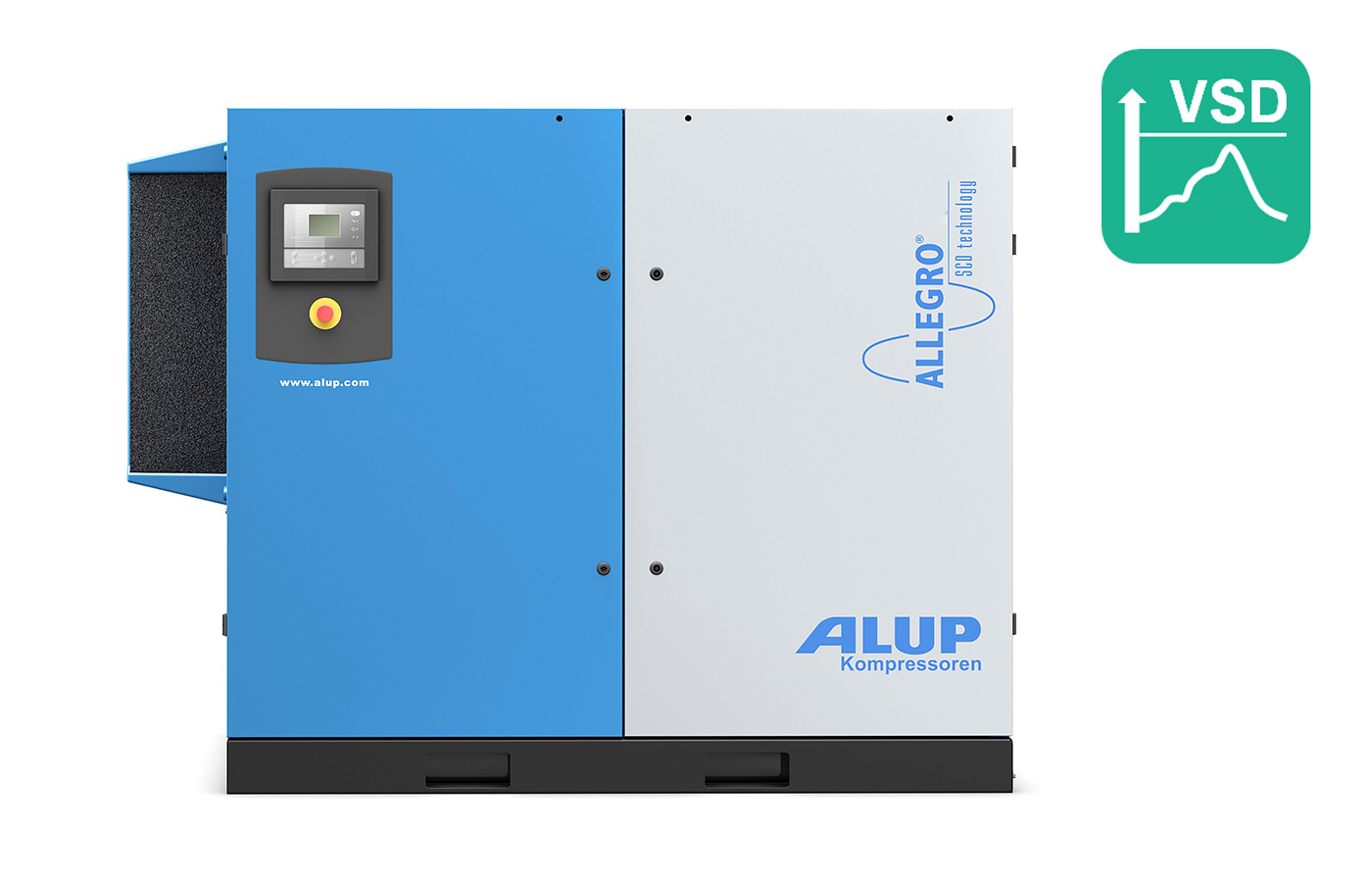
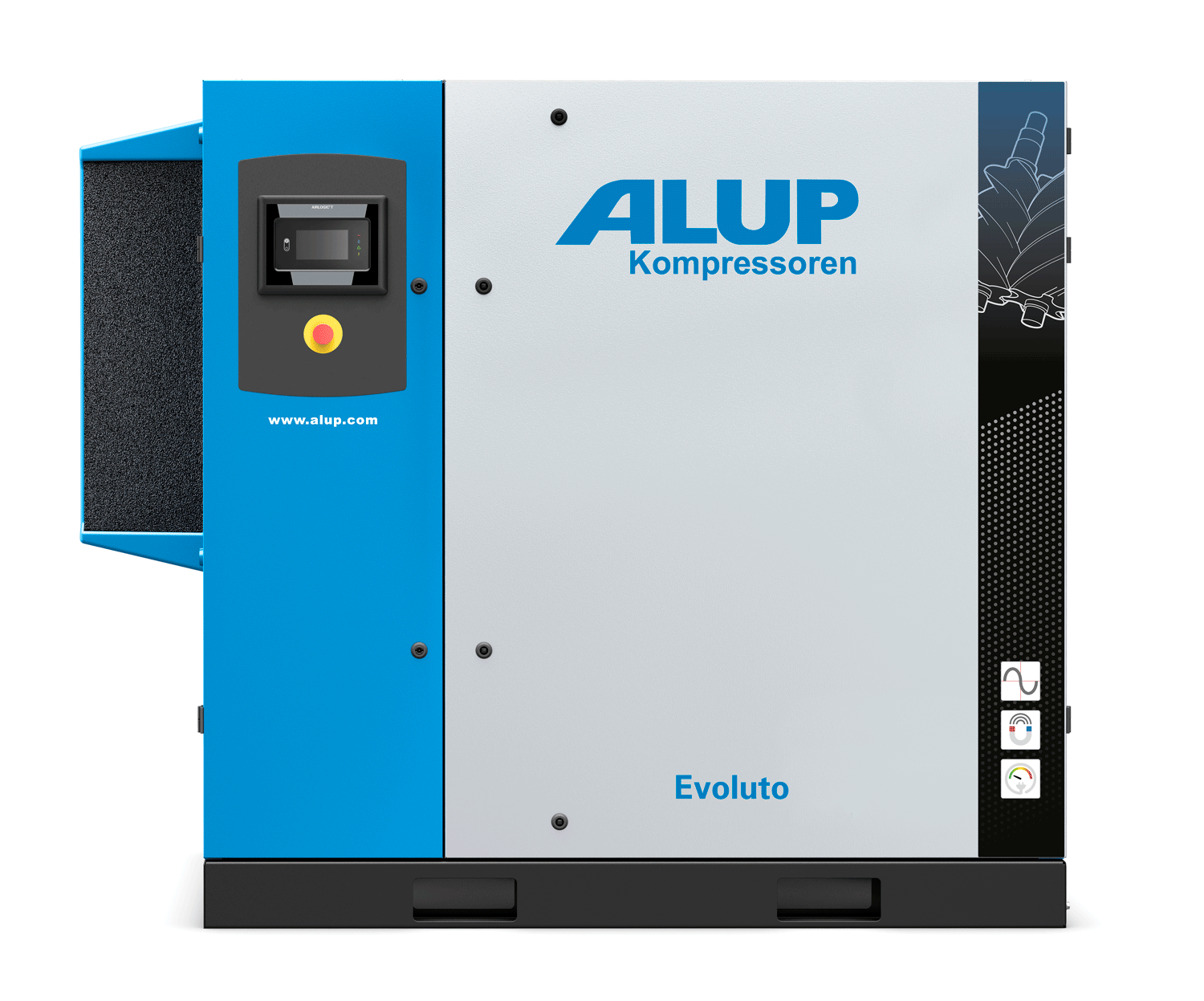
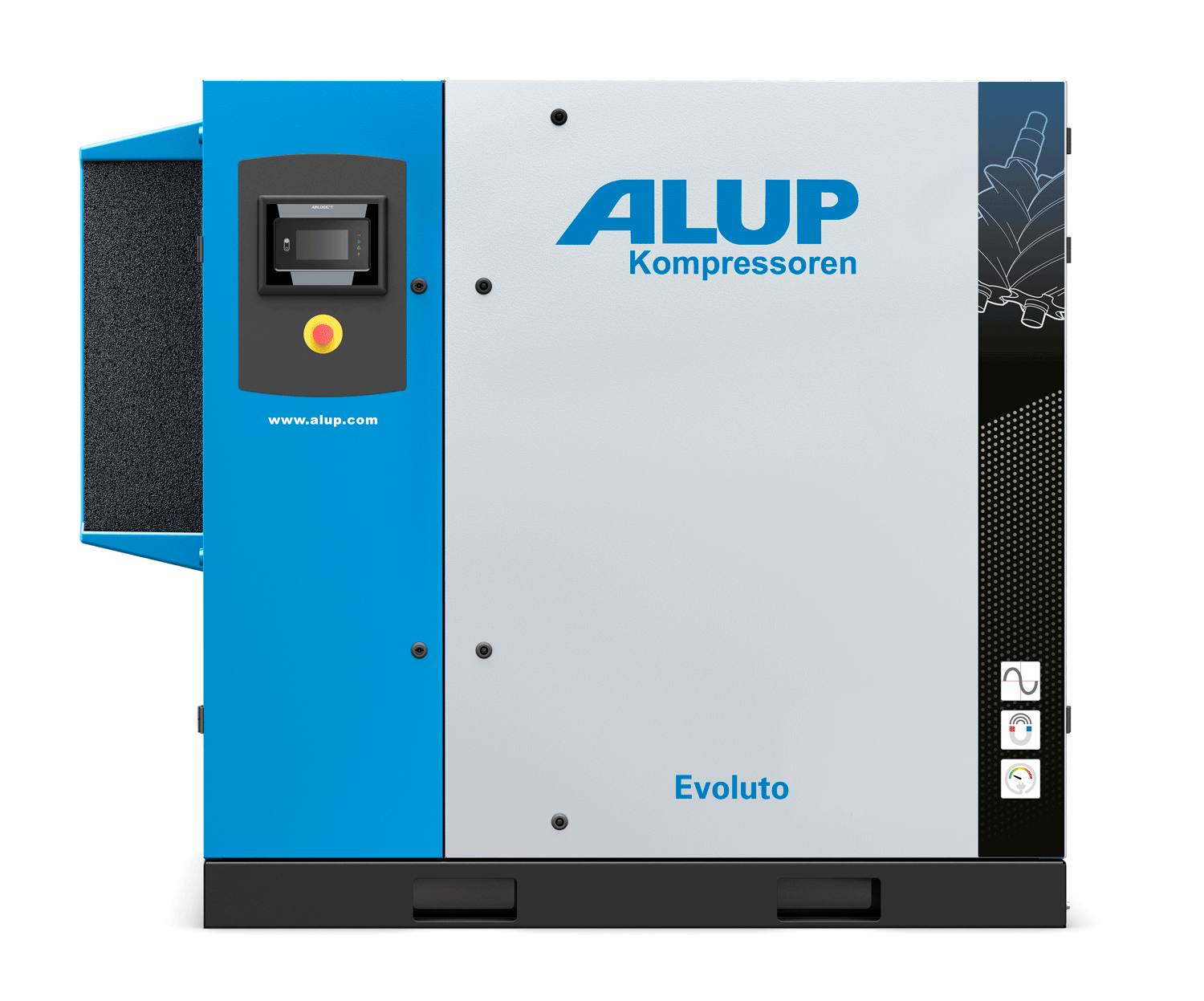
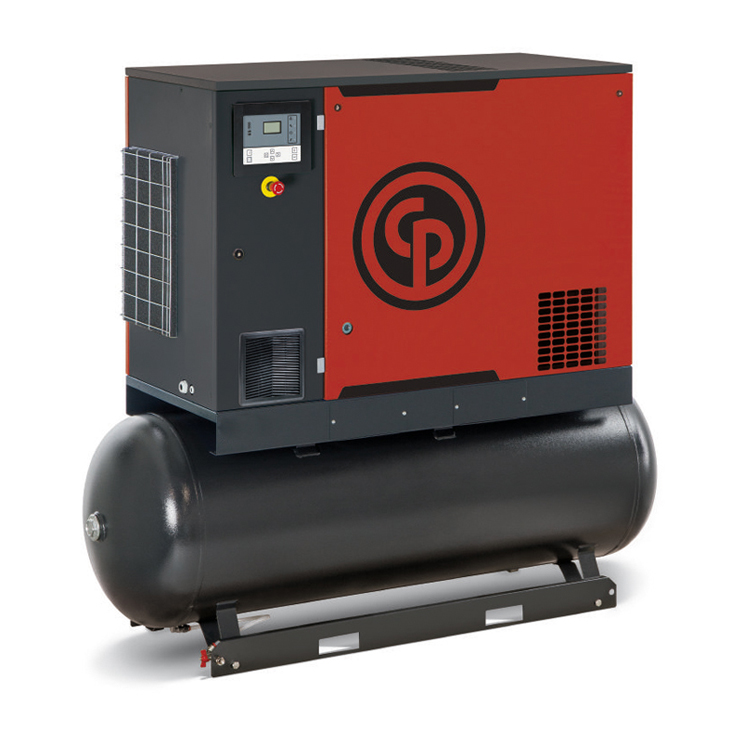
Ash Air's range of Chicago Pneumatic, Alup, Pneumatech, and Quincy compressors are used extensively around the world in industries
ranging from oil and gas to food, automotive and farming, and we bring you these world class compressors here in the land of the long white
cloud.Our technicians are compressed air equipment experts and are dedicated to addressing customer needs. Supported by a 13 locations
nationwide, Ash Air offers one of the widest selections of compressed air equipment and parts available today in New Zealand.
Reliability and Efficiency
With Ash Air compressors, you can count on reliability and high performance for even the most demanding applications. We focus our
efforts on the following:
Liquid water in compressed-air systems can lead to rusted equipment and unresponsive controls. Anyone who uses compressed air will, at some
point, find liquid water in the air distribution system. This can be anything from a nuisance to a serious problem, depending on the
application. If water might corrode equipment or introduce bacteria, removing it is critical.
Read More…
Liquid water in compressed-air systems can lead to rusted equipment and unresponsive controls. Anyone who uses compressed air will, at some
point, find liquid water in the air distribution system. This can be anything from a nuisance to a serious problem, depending on the
application. If water might corrode equipment or introduce bacteria, removing it is critical.
Read More…
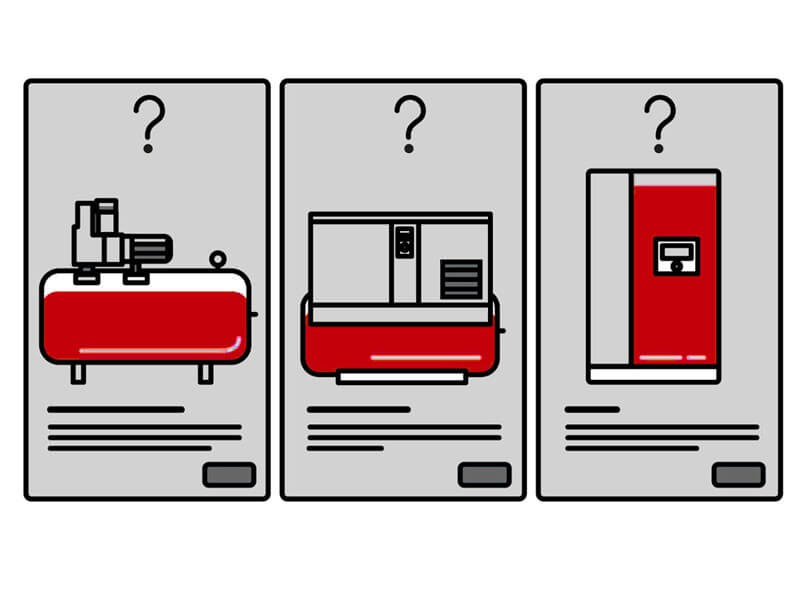
Whenever most people think about a compressor, they probably have a piston compressor in mind. You might already know there are two basic
principles of air compression. One of those is the principle of displacement compression. There are a lot of compressor types that classify
as a displacement compressor. The piston compressor is one of them, oil-lubricated or oil-free.
Read More…
Once you have the size and type of
compressor figured out, one last question remains, should I go with an oil lubricated or oil-free air compressor. To not overcomplicate the
answer, your choice should be based on the application and process that the compressed air will be utilized in.
Read More…
Like all compressor types, rotary screw models do require periodic maintenance. Thanks to the simplicity of the internal components,
maintenance is relatively easy on most rotary air compressors. As long as you stick to a rotary screw compressor maintenance schedule, you
will likely be rewarded with many, many years of optimal productivity from your machine.
Read More…
Did you know, the biggest part of the air we breathe is nitrogen? Everyone needs oxygen to survive, however air is made up of 78% nitrogen,
only 21% oxygen and tiny amounts of other gases. Although, the human body does not use this nitrogen, it is very helpful in various
industrial applications. There is an unlimited source of nitrogen readily available, allowing you to achieve needed purity at a fraction of
your current annual nitrogen cost.
Read More…
If you notice that your compressor is getting hot and bothered, there may be heating issues affecting your air compressors performance. Did
you know that an overheating compressor is top of the pops for being the most common cause of compressor failure.
Read More…
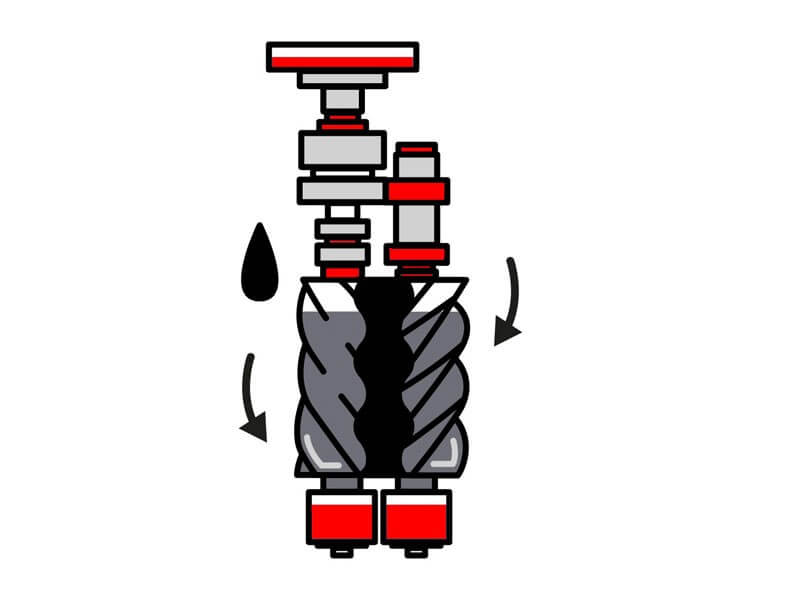
A rotary-screw compressor is an air compressor that uses a rotary-type positive-displacement mechanism, typically used replace piston
compressors where large volumes of high-pressure air are needed, either for large industrial applications or to operate high-power air
tools.
Read More…
Have a look around and what do you see? What are you thinking about? Your next holiday to Queenstown maybe? You might go snowboarding with
the kids or have some alone time at the Day Spa. Whatever holiday you choose, compressed air is involved in some way, without you even
realising it!
Read More…
There are crucial reasons why you should service and maintain your compressor regularly, with the most common issues being piston failure
caused by wear of components, increased friction, corrosion, reduced cooling, overheating bearings and components, clogging of air filters.
Read More…
Our passion for energy efficiency and cost saving derives from the concern for our children’s future. Analysing the efficiency of your
system is a brilliant way to start saving.
Read More…
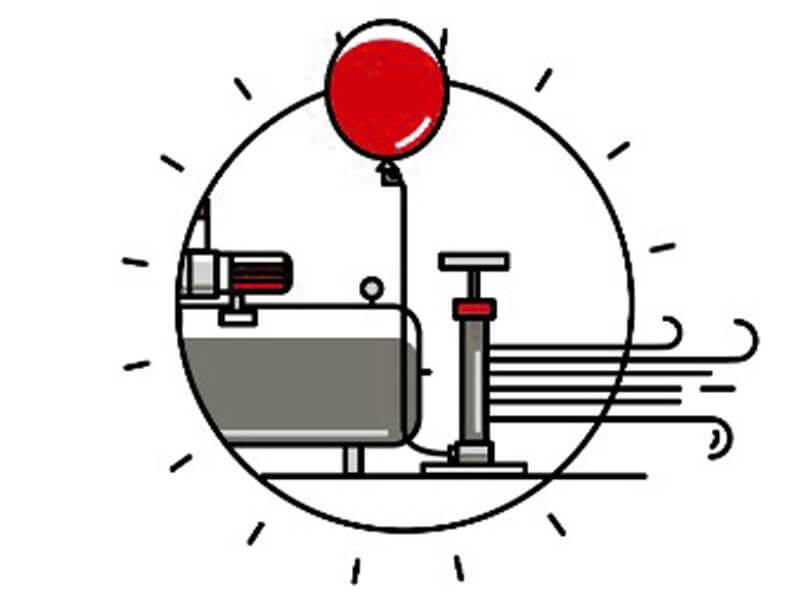
Compressed air is all around us, from the air in a balloon to pumping up tires on your bicycle. In this article we will explain what
compressed air is and how it is created. Whether you know it or not, compressed air is involved in every aspect of our lives, from the
balloons at your birthday party to the air in the tires of our cars and bicycles. It was probably even used when making the phone, tablet or
computer you’re viewing this on.
Read More…
One of the biggest challenges is to correctly size your new air compressor. Similarly to everything else, new compressors available on the
market are more efficient and employ better technology, therefore you have to understand the application and usage to size the machine
correctly. Choosing the wrong air compressor for your facility can lead to problems with production and or increased costs due to wasted
energy.
Read More…
Once you have the size of the air compressor figured out, the
next thing to do is to decide on the type of compresor you will need for your application - piston, rotary screw compressor etc. Let us take
a look at two of the most popular options available. When choosing the right type of compressor, you should ask yourself the following
questions:
Read More…
Which vacuum pump do I need? - this is one of the most frequent questions we receive and this is understandable, because there are number
of technologies which can provide the same vacuum level and pumping speed. Here is quick advice on how to choose the best vacuum pump for
your needs.
Read More…
You may be asking, why does my air compressor start, then stop? Allow us to take the guessing out of it. We understand your pain. We know
that a compressor problem can quickly result in hours (if not days) of production downtime and loss of revenue. When your compressor
continuously shuts off from on, we refer that as a short cycle. There are a few reasons that a short cycle may be happening with your
compressor.
Read More…
Air compressor leaks are very common in all applications, but can be very costly and difficult to find. On average, 20-30% of the compressed
air used in a manufacturing plant is wasted as leaked air. Finding and fixing these leaks can save your business thousands of wasted dollars
a year.
Read More…
When installing a compressed air system into a business, people often look to PVC piping as an option to build a piping system because it is
cheap, versatile and easy to install. However, using PVC pipe in any compressed air application is extremely dangerous and NOT recommended
by multiple associations and manufacturers.
Read More…
Changing the oil and oil filters on your compressor is one of the most common routine maintenance tasks to perform to keep your compressor
running efficiently. After you remove your old oil and oil filter, you may find yourself wondering, “Where do I dispose of these?”, or “Can I
just throw them in the trash?”. Because oil is toxic and a pollutant, disposing of your old oil and filters is not as simple as just tossing
them in the trash.
Read More…
 Compressed
air can be one of the most expensive forms of energy for manufacturing plants, often using more energy than other equipment. One
horsepower of compressed air requires eight horsepower of electricity. With many air compressors running at efficiencies as low as 10%,
there’s often plenty of room for improvement. Fortunately, 50% of compressed air systems at small- to medium-sized industrial facilities
have opportunities for low-cost energy conservation.
Compressed
air can be one of the most expensive forms of energy for manufacturing plants, often using more energy than other equipment. One
horsepower of compressed air requires eight horsepower of electricity. With many air compressors running at efficiencies as low as 10%,
there’s often plenty of room for improvement. Fortunately, 50% of compressed air systems at small- to medium-sized industrial facilities
have opportunities for low-cost energy conservation.
 Maintain
Your Compressor
Maintain
Your Compressor