How to Know When Your Industrial Air Compressor Needs Servicing
Even
the sturdiest of equipment requires servicing, whether it’s routinely by law and regulation, when outside forces cause damage, or when the
ravages of use slowly build up over time.
Knowing the telltale signs of wear and tear, understanding your product’s specifications and usability guidelines, and knowing when it’s
prudent to call in repairs are skills that could save you a lot of time, effort, and money in the long term.
Service early
Ultimately, it’s always going to be a better idea to call in a service than it is to call in for repairs, especially for often core pieces
of machinery such as air compressors that serve a multitude of applications.
By servicing early, you’re going to be gaining a lot of benefits over leaving a piece of machinery out until it breaks, or until it’s
necessitated servicing time occurs.
Firstly, by calling in service when you spot signs rather than when you need it immediately, you’ll be able to tailor the timeline of
repairs to suit you. Repair during times when you’ll need the equipment, rather than during times of high use, to maximise efficiency and
lower possible downtime.
Secondly, you prevent the risk of total plant shutdown while you wait for core machinery to be repaired. A critical machine going offline
can be a disastrous occurrence, especially during high workloads or in industries with strict, competitive deadlines to beat.
Thirdly, air compressors in particular work off efficiency. While a air compressor may be ‘working’ effectively, leaks and other routine
maintenance-fixable things can use up 20-30% of your air flow, with an average of 19% across all tested. Over the first ten years
of use, an air compressor’s initial capital cost and maintenance cost make up 18% and 7% of total expenditure, while energy accounts for a
gigantic 73%.
By servicing early, you’ll cut down leaks that can reach as high as 40-50% loss, and reduce your overall expenditure down significantly. The
better maintained, the larger reduction (for 7% average costs) you’ll get your leakage (0.2-0.3 of 72% energy costs).
Knowing the signs
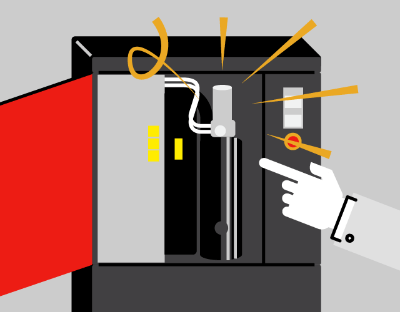
First - Check your manuals
Firstly, it’s important to understand your air compressor. Check how long it recommends before servicing, as most petroleum-based
compressors need changing every 500 hours or so, and synthetics around 2,000.
Alongside this, check your console regularly to see if any errors or issues pop up. This might sound simple, but it’s amazing how often such
simple issues are overlooked.
It won’t matter how telltale the signs are if you don’t know the equipment you’re dealing with, or aren’t even checking your basic inbuilt
warning signs often.
Excess moisture
Whenever an air compressor is running, it accumulates moisture that must be in some way reduced. If your compressor is producing excess
condensation, it may be experiencing a fault in the automatic drain system.
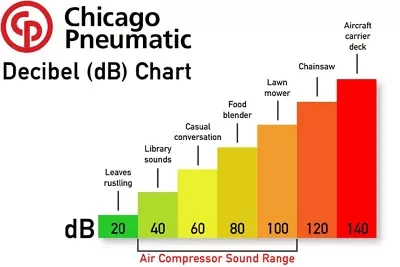
Loud noises
Our compressors come with a sealed, in-built noise reduction chamber. If your compressor is
beginning to make either:
Too much noise for usability standards
Significantly more noise than usual
An extremely inconsistent noise level or
Any rattling or similar noises
Then you may either have a broken component rattling around, or a fault in the motor.
Frequent tripping breakers
Equipment tripping breakers can signify a multitude of things. Your first response should be to immediately check the electrical circuit
powering the compressor, but if there’s no fault there and the system continues to trip breakers or blow fuses, you should have a serviceman
or woman come immediately.
High loss of pressure, or low overall air pressure
If your compressor is reporting no air pressure, you more than likely have a reporting problem (unless you truly do have zero). Simply
having low air pressure is a mark of either reporting issues, wear and tear on internal or external parts, or sometimes a simple technical
issue.
Sometimes this can be easily fixed, but if there is no significant and easy to spot issue at hand, you’ll be racking up a huge amounts of
losses in energy costs to keep it running without one.
On/off unresponsive
If you can’t get the air compressor working in the first place, odds are you’re not going to be able to get a good read on what’s wrong with
it. The first thing to do is check the circuit and any obvious things, but again: if it’s not obvious, it might be time for a repair job.
Call
an expert
If you’re experiencing any of these signs with your industrial air compressor, or just want to make sure that you're able to get the most
efficient air compression possible, get in touch with us.
Who we are and how Ash Air can help your business!
Ash Air has been around in New Zealand since 1979, and we’ve grown into a nationwide company with international support and a
reputation for quality and reliability.We look after all things compressed air for your business!
Reciprocating, Screw, air compressors
Vacuum pumps
Nitrogen
An extensive line of air treatment components
Ash Air's range of Chicago Pneumatic, Alup, Pneumatech, and Quincy compressors are used extensively around the world in industries
ranging from oil and gas to food, automotive and farming, and we bring you these world class compressors here in the land of the long white
cloud.Our technicians are compressed air equipment experts and are dedicated to addressing customer needs. Supported by a 13 locations
nationwide, Ash Air offers one of the widest selections of compressed air equipment and parts available today in New Zealand.
Reliability and Efficiency
With Ash Air compressors, you can count on reliability and high performance for even the most demanding applications. We focus our
efforts on the following:
When using air compressors, there are many variables that are integral to the quality and effectiveness of your compressed air. When dryer
air is necessary, being able to constantly and accurately monitor dew points can be a critical factor to your operation.
Read More…
Compressed air plays an integral role in breweries both large and small around the world. From start to finish, all details in the brewing
process are managed in fine detail and having the right air compressor is no exception.
Read More…
We Kiwi's love our Coffee! Coffee, like all other food & beverage products, must go through a preservation process to keep the
beans fresh during storage and packaging before they reach the consumer. Coffee that is not properly stored after it is roasted will lose a
large amount of carbon dioxide, which lessens its' flavor and speeds up the staling process. One of the most common ways to preserve the
freshness of coffee is the use of nitrogen gas. Learn more here:
Read More…
Air compressors are helpful for an enormous range of applications such as air filling, packaging, tools, HVAC control, and more! One
possible drawback is the amount of electricity they use; air compressors can be a huge drain on energy if used inefficiency...
Read More…
Air compressors create the energy used by pneumatic tools and processes throughout your compressed air system. The component that connects
everything together is the piping. It is very important to choose the right compressed air pipe to avoid pressure
loss, rust and other problems.
Read More…
We get it, buying an air compressor is a big financial decision. And now we are suggesting that you need two air compressors, not just one.
Ask yourself one question- Can your business still run if your air compressor goes down?
Read More…
It’s no secret – air compressors are excellent sources of energy. Not only do they power essential manufacturing elements and applications, but the heat generated as a result of the compressed air processes can be used as a byproduct that offsets other energy costs. However,
there’s another form of energy that is also a consequence of the air compression process – sound.
Read More…
Maintenance is key to continuing the performance of your air compressor. Continue to read about maximising the performance and longevity of
your compressor and some air compressor maintenance tips!
Read More…
The emergency stop, "e-stop", is for true emergency situations only. When hitting the e-stop, all power is halted from the machine
and the unload process isn't achieved. The emergency stop button is intended to help with possibly hazardous situations that are developing.
Common conditions of having to use the e-stop is the misuse of the equipment in ways that weren’t intended, predictable failures not
addressed or failing to consider all the foreseeable uses of the compressor. Read More…
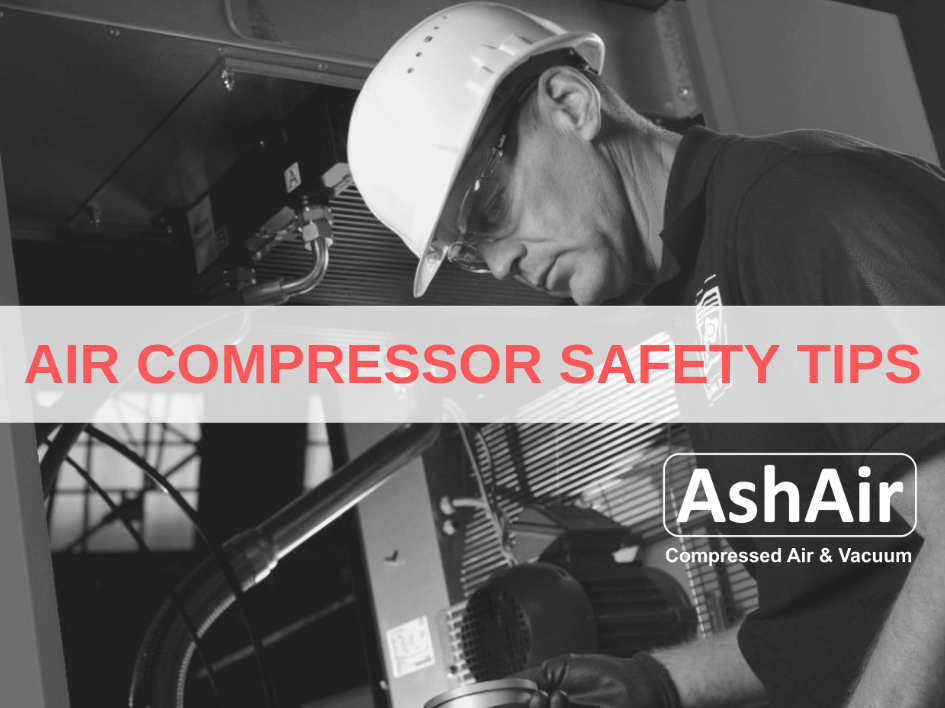
We've put together a list of tips for working safely with air compressors in your environment! We recommend that you always read owners
manual before running your compressor. The number one cause for repairs and personal injury is improper use. You've got to remember to use
eye protection and hearing protection when operating your air compressor and try to avoid using air compressors in a wet area.
Read More…
It's generally cost-effective to invest in an on-site industrial oxygen generator. If using bottled or liquid oxygen, you can save 50-90%
per unit of O2.
Read More…
Air Compressor Installation Tips
Installing Your Reliable Air Compressor
So, you've just bought an efficient and reliable ALUP air compressor? Welcome to the world of compressed air.
As your partners in compressed air, we will continue to assist you along your journey. We have provided air
compressor installation
tips to ensure you get the most out of your air compressor. Read More…
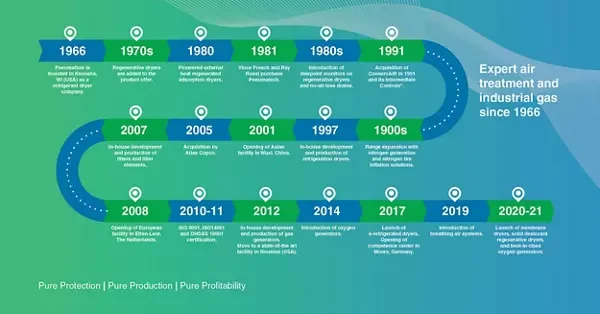
What started as a family business has since grown into the world’s trusted expert in air treatment and industrial gas solutions. It’s a
success story we’re proud of, a true testament to the drive and entrepreneurial spirit of our entire team.
Read More…
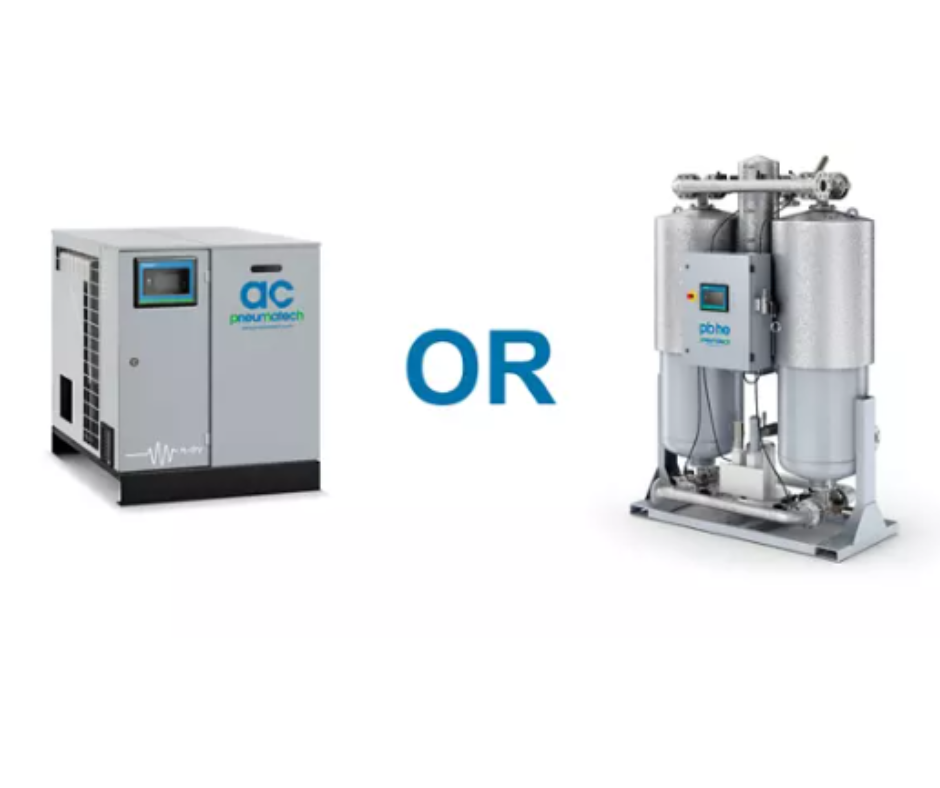
Air dryers remove any condensation from the air compressed by your air compressor. Questions about them? Find answers to the most frequently
asked questions here.
Read More…
Power tools are a key to productivity in the oil & gas or the metal working industry. Maintenance and production tasks must be carried
out efficiently, however intensive use of vibrating power tools, such as grinders, can expose operators...
Read More…
Selective soldering with nitrogen is an essential process in the production of printed circuit boards (PCBs). It is used for bonding
components to PCBs that could otherwise be damaged if exposed to a lot of heat. Another area of application are mixed-technology circuit
boards with layout constraints.
Read More…
Hydrogen is becoming increasingly important as a promising clean energy carrier – especially with a view to a more climate-friendly future.
But have you ever wondered what hydrogen actually is and how it is produced? In this article, we look at the basics and technologies used to
produce hydrogen and what makes hydrogen a special element.
Read More…
Lubrication is vital to numerous parts of the compression process. That’s why it’s important to know why and which oil is needed for your
air compressor.
Read More…
In today's digital world, we search and compare compressor parts, consumables and lubricants in an instant. Avoid being scammed and make
shure you buy genuine spare parts.
Read More…
In the world of winemaking, the pursuit of excellence and the preservation of quality are paramount. Therefore, winemakers are turning to a
game-changing solution to enhance their craft: nitrogen gas. From preventing oxidation to controlling carbonation, nitrogen plays a vital
role throughout the winemaking process.
Read More…
Your passion is vinification, ours is air compressors.
Compressed air accounts for a large amount of energy consumption in the wine production process, especially in the production of grapes. A
big part of wine-making is a result of the work of equipment and is dependent on its efficiency.
An air compressor should be located in well ventilated, shaded areas, out of direct sunlight. This includes the inlet for the compressed air
system which should be located away from heat sources such as the compressed air outlet, refrigeration or air conditioning plant and
equipment.
Read More…
Cutting, shaping, drilling, and finishing, compressed air is critical for any machine shop. Shops rely heavily on the compressed air system
to assist in a variety of operation processes. Commonly the parts produced are used in the machine industry, car industry or even the
aircraft industry. A traditional workday in a machine shop requires the use of air compressors to generate an intermittent or continuous
source of pressurized air. What machines commonly require compressed air in the shop?
Read More…
Variable Speed Drive compressors are a game-changer in the world of compressed air. These compressors automatically adjust their
operating speeds to match the real-time demand for compressed air. It's an important feature, especially when it comes to energy savings.
Surprisingly, the electricity consumed by a compressor can account for the largest portion of its total cost of ownership, not the initial
purchase price. On average, VSD technology can reduce energy costs by 35% to 50%, which translates into significant saving
Read More…
When an industrial application calls for a steady supply of quality air, more and more users are turning to rotary screw compressors. Their
efficiency, reliability and versatility make them a great choice in these cases. But there are countless applications and many different
types of rotary screw air compressors. So which one is the right one for you?
Read More…
Your tool is stalling, or is not working to its expected performance, and you find yourself asking ‘why is my angle grinder spinning too
slowly?’, or ‘why has my pneumatic grinder stopped working?’, read on.
Read More…
Lighting tower reminds night, but also refers to diesel engine. In turn, night reminds us of silence, which is not exactly what we
associate with an engine... With urban centers becoming increasingly dense and legislation increasingly strict about noise pollution in
construction sites, keeping decibels to acceptable levels has been the great challenge of the main construction equipment manufacturers.
Read More…
In today’s world of increasing environmental awareness and the drive for sustainable practices, industries are actively seeking innovative solutions to reduce energy consumption and minimize their carbon footprint. If your business uses air compressors, focusing on energy
recovery in air compressors is one area to pay attention too.
Read More…
Sometimes in the world of compressors the lingo can be confusing. Unless you are totally immersed in the compressor industry, some of the
terminology might be completely lost on you.
Read More…
Did you know that 70% of the total cost of compressor installation consists of energy costs?
There are many reasons why saving energy is important for your business as it helps you in many ways to make your business more efficient as
well as providing you with many different forms of value. Ash Air's range of Alup products can help you become more energy efficient to help
reduce energy bills, reduce your costs and comply with all environmental legislation.
Read More…
Exactly what is compressed air? Where does it come from? What is it for? When we compress—or squeeze—air into a small space, we call it
compressed air. When humans discovered the ability to compress air, civilisation made a huge leap forward. The reason? Compressed air opened
the door to all kinds of new production methods.
Read More…
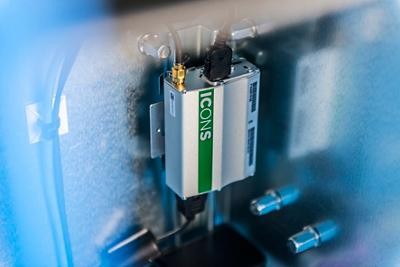
Did you know that conducting an air compressor health check has become even easier? Getting easy and affordable access to your compressor
status information at your fingertips with our Intelligent CONnectivity System (ICONS
Read More…
Compressed air system leaks are indeed a big source of energy waste. Leakage in piping systems have been shown to exhibit leaks of up
to 25
percent of the total energy costs. Addressing
leaks is one of the first maintenance steps a facility can take to reduce energy costs.Read More…
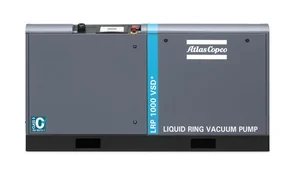
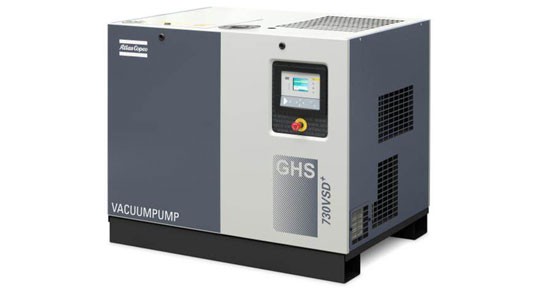
Ash Air is proud to introduce Atlas Copco’s Vacuum Solutions in New Zealand. Here are five things to know about Atlas Copco Vacuum
Solutions!
Read More…
Think about efficiency for a minute. Every year with constant innovation, things are becoming even more efficient. Everything from
electronics to industrial machinery are being developed to get more done faster while using less power.
Read More…
With the Luck of the Irish and a little help from air compressors we will all be enjoying a pint of our favorite beer this St. Patrick’s
Day!
Read More…
The air surrounding us is a mixture of fry air and water vapor. The amount of water in the air depends on the temperature and volume of the
gas. The higher the air temperature, the higher the air's ability to absorb more moisture. Find out about compressed air humidity here.
Read More…
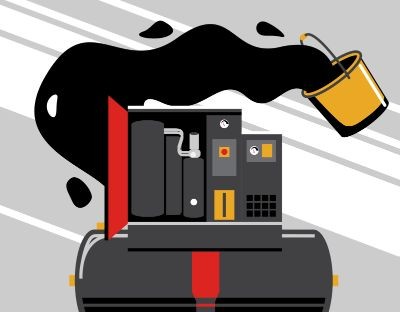
The generator starts up, and not long after, white smoke and oil are seen coming out of the exhaust. It is new, and tested, good
quality diesel... I wonder what happened?
Read More…
Investing in an on-site industrial gas generator is a great way to reduce your environmental footprint and your operating costs. Once you
have taken this important step, there are some other things you can do to maximize your gas generation energy savings. Here are seven of
them.
Read More…
For many businesses, preserving energy and becoming more sustainable have become top priorities. That not only saves them money but also
makes them more competitive in the future, when demand for “green” products and services will only increase. Not just because governments
mandate greater sustainability but also because customers expect it.
Read More…
While you relax and read this, do you see an electronic appliance around you? Wondering how could you relate to the current read?
We got you! Compressed air is all around, in the electronic appliances you use right now.Read More…
There are many contaminants that can threaten your compressed air system, but moisture is among the most prevalent. You may be thinking, but
it’s just water, but water can have a devastating impact on your compressed air system, your production equipment, and your end product. The
best way to prevent moisture from contaminating your compressed air is with a dryer.
Read More…
Compressed air can be one of the most expensive forms of energy for manufacturing plants, often using more energy than other equipment. One
horsepower of compressed air requires eight horsepower of electricity. With many air compressors running at efficiencies as low as 10%,
there’s often plenty of room for improvement. Fortunately, 50% of compressed air systems at small- to medium-sized industrial facilities
have opportunities for low-cost energy conservation.
Read More…
As easy as it would make all of our lives, vacuum pumps are far from being “one size fits all”. Not only do you have the size to consider
when choosing a vacuum pump, but more importantly type. I will briefly touch on some of the advantages and disadvantages associated with
each vacuum technology we deal with. This should give you a better understanding of where to begin your search...
Read More…
 Even
the sturdiest of equipment requires servicing, whether it’s routinely by law and regulation, when outside forces cause damage, or when the
ravages of use slowly build up over time.
Even
the sturdiest of equipment requires servicing, whether it’s routinely by law and regulation, when outside forces cause damage, or when the
ravages of use slowly build up over time.
.png) Call
an expert
Call
an expert













.jpeg)











.jpeg)