Nitrogen
plays an essential role in keeping our food fresh and increasing its shelf life. In a process called Modified Atmosphere Packaging (MAP),
it displaces ambient air in food containers. This keeps other gases, especially oxygen, away from the food and slows its degradation.
Therefore, if you are operating in the food and beverage industry, you need a steady supply of food grade nitrogen. It keeps your chips
crispy, your coffee flavorful and your wine tasty.
What does food grade nitrogen mean?
But what is food grade nitrogen? Compressed air or industrial gases, like nitrogen, that come into contact with food have to meet stringent
quality standards. This protects the consumers who end up ingesting these products.
The goal is to keep contaminants like moisture, particles, microorganisms or oil residue away from the food. This is crucial to preserving
it and preventing the build-up of mold or fungi.
Anybody who cooks or eats knows the potential problems that these contaminants and oxygen can cause. That is why we cover up food, put it in
tin foil or saran wrap. We also know the harm moisture, the most common contaminant, can do if it comes into contact with food items like
flour or sugar.
How do you keep your nitrogen pure?
There are two ways of getting food grade nitrogen. One is to purchase it from a vendor. However, that is expensive and has several other
disadvantages: It poses logistical challenges and could result in supply bottlenecks. In addition, the heavy, pressurized nitrogen
containers are an occupational safety hazard.
The second method is to generate nitrogen on site. This is much less expensive, ensures a steady supply and lets you choose the required
nitrogen purity.
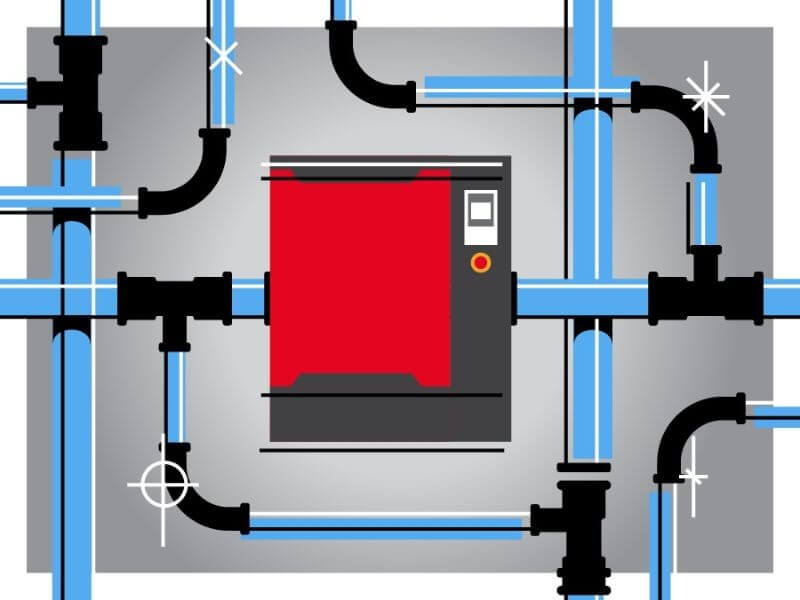
For on-site nitrogen generation, you need a generator and a compressor. The latter compresses ambient air and sends it to the generator,
which separates the nitrogen from all other gases – especially oxygen. Since air always contains contaminants, it is essential to filter
them out early in this process. Otherwise, they will reduce the quality and purity of the nitrogen and come into contact with the food
items.
This means that an effective air treatment is the key to keeping the nitrogen pure. In fact, several organizations have identified the
compressed air used in processing and packaging a possible threat to food air safety. These include the International Organization for
Standardization (ISO), the Safe Quality Food Institute and the British Retail Consortium.
A quick guide to air treatment
Fortunately, there are lots of ways to eliminate the contaminants from your compressed air and ensure you produce food grade nitrogen.
Pneumatech offers all of the necessary air treatment products and options.
From different types of filters to air dryers, we help you get the job done, protect your food items and your end
customers.
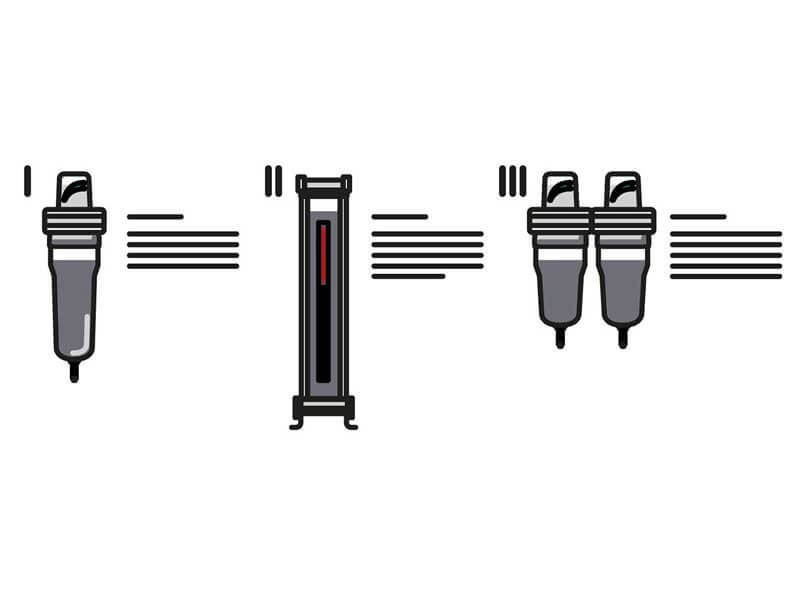
For example, you can count on our coalescing filters to remove wet particulates and oil aerosols from the compressed air. Sterile filters
and dust removal filters take care of particulates, and microorganisms while adsorption filters eliminate oil vapor.
These filters can be installed throughout the compressed air system. All of them have been fully tested and qualified according to the
latest ISO8573 and ISO12500 standards.
Then there are different types of dryers that get rid of the moisture that poses the greatest threat by volume.
This includes the innovative Pneumatech PH HE desiccant dryer series. The dryers use a solid desiccant. That offers all of the
benefits of desiccant dryers while eliminating the drawbacks of older models featuring loose desiccant beads.
Your reliable air treatment partner
To find out more about our different air treatment products, simply contact a Ash Air expert. They will answer all of your nitrogen
questions.
Pneumatech gives oxygen to your business. With the PPOG series, Pneumatech offers an attractive replacement for traditional oxygen supply with very interesting returns on investment.
The PPOG1-120 series uses Pressure Swing Adsorption technology to extract oxygen from compressed air, resulting in oxygen purity levels up to 95%.
The PPOG 2-18 HE series is a true game changer in on-site oxygen generation. 30% more efficient than traditional oxygen generators, the PPOG HE gives you the oxygen volume, purity and reliability you need at a massively reduced cost and a smaller environmental footprint.
PSA Oxygen Generators
With the PPOG series, Pneumatech offers an attractive replacement for traditional oxygen supply with very interesting returns on investment.
Discover the inner workings, versatile applications, and numerous benefits of an N2 generator. This revolutionary machine effectively separates nitrogen from compressed air, comprised of 78% N2 and 21% O2. A gas generator stands out as the easiest, most flexible, and economically viable method for securing your own nitrogen supply. Elevate your professional approach and embrace the efficiency and sustainability offered by on-site nitrogen generation, exclusively available in New Zealand.
Ash Air has a range of quality cycling and non-cycling Pneumatech refrigerated dryers for your air compressors.Our non-cycling Pneumatech refrigerated dryers offer a reliable and economic solution for removing moisture from your compressed air system. These refrigerated dryers for air compressors are easy to install, offer energy savings, prevent pressure losses, are equipped with rotary compressors and R410A refrigerant, and have improved connectivity features.
The Ash Air collection of very dependable cycling Pneumatech refrigerated dryers offer easy-to-use controllers, are easy to install with low maintenance needs, and are energy efficient with zero-loss drains.
We also supply a range of superior performance refrigerated dryers for air compressors with variable speed technology that matches energy consumption to the actual compressed air demand, have stable pressure dew points, and are available with both air-cooled and water-cooled condensers.
Our innovative desiccant dryers give customers efficient protection against the presence of any humidity in the air, which often is the source of pipe corrosion and decreased efficiency of equipment and tools.
The Ash Air range of advanced technology 360-1080 m3/hr and 1188-10800 m3/hr adsorption air dryers are for customers who have a focus on energy efficiency and low operating costs, while maintaining the highest standards in air purity. Our Pneumatech blower purge air dryers use heated blower purge air to remove moisture from the desiccant material, which means no purge loss during regeneration.
Here at Ash Air, we offer BA 15-310 HE Breathing Air Purifiers. The Pneumatech solution for Industrial Breathing Air applications, build to exceed standards. The Breathing Air Dryer range assures safe working environment in a wide range of applications. Built to exceed standards, Breathing Air Dryers provide certified breathing air, even in situations with polluted intake air to ensure personnel safety at all times.
The Pneumatech solution for Industrial Breathing Air applications, build to exceed standards. The Breathing Air Dryer range assures safe working environment in a wide range of applications. Built to exceed standards, Breathing Air Dryers provide certified breathing air, even in situations with polluted intake air to ensure personnel safety at all times.
Do you have an idea for our #expertcorner? Let
us know!
Who we are and how Ash Air can help your business!
Ash Air has been around in New Zealand since 1979, and we’ve grown into a nationwide company with international support and a
reputation for quality and reliability.We look after all things compressed air for your business!
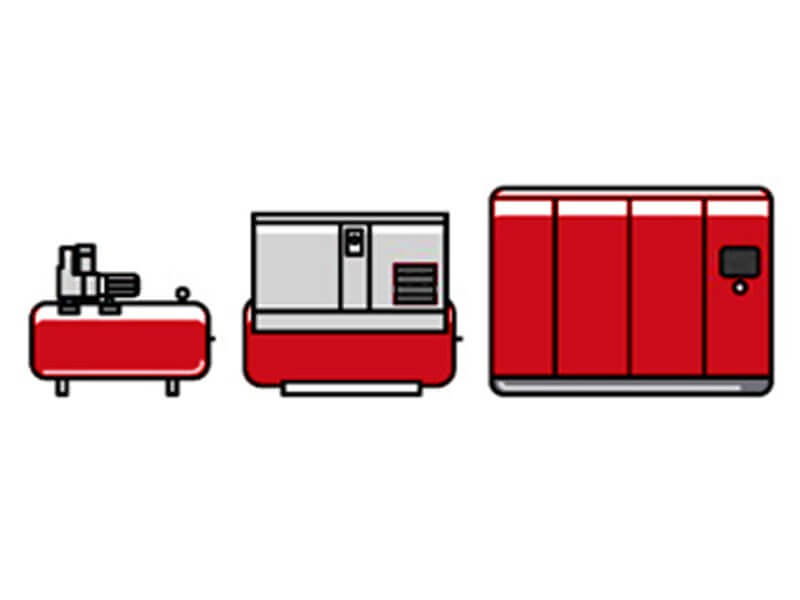
Reciprocating, Screw, air compressors
Vacuum pumps
Nitrogen
An extensive line of air treatment components
Ash Air's range of Chicago Pneumatic, Alup, Pneumatech, and Quincy compressors are used extensively around the world in industries
ranging from oil and gas to food, automotive and farming, and we bring you these world class compressors here in the land of the long white
cloud.Our technicians are compressed air equipment experts and are dedicated to addressing customer needs. Supported by a 13 locations
nationwide, Ash Air offers one of the widest selections of compressed air equipment and parts available today in New Zealand.
Reliability and Efficiency
With Ash Air compressors, you can count on reliability and high performance for even the most demanding applications. We focus our
efforts on the following:
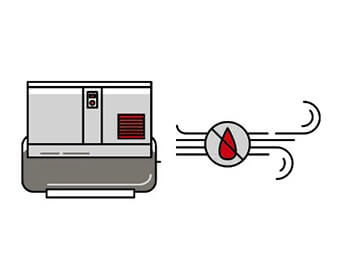
Air compressors come in many types, rotary screw, piston, scroll, reciprocating, some are oil-free and other air compressors require oil
lubrication. Like many businesses, an efficient air compressor is at the heart of their operations. So, which type of compressor should you
choose? What makes a compressor, like a rotary screw, unique? Here are some clear cut benefits of equipping your business with a rotary
screw compressor.
Read More…
In the world of compressors, there are often significant and unutilized energy-saving possibilities including energy recovery, pressure
reduction, leakage reduction and optimization of operations through correct choice of a control and regulation system as well as the choice
of compressor size.We are going to take a look at some of the opportunities for minimizing the compressor’s operating costs.
Read More…
Many installations that produce compressed air offer significant and frequently unutilized energy
saving possibilities in
the form of waste energy recovery. In large industries, energy costs can amount to 80% of the total cost of compressed
air production.
However, a lot of this energy can be recovered, which in turn will save you a lot of money.
Read More…
Liquid water in compressed-air systems can lead to rusted equipment and unresponsive controls. Anyone who uses compressed air will, at some
point, find liquid water in the air distribution system. This can be anything from a nuisance to a serious problem, depending on the
application. If water might corrode equipment or introduce bacteria, removing it is critical.
Read More…
Liquid water in compressed-air systems can lead to rusted equipment and unresponsive controls. Anyone who uses compressed air will, at some
point, find liquid water in the air distribution system. This can be anything from a nuisance to a serious problem, depending on the
application. If water might corrode equipment or introduce bacteria, removing it is critical.
Read More…
Whenever most people think about a compressor, they probably have a piston compressor in mind. You might already know there are two basic
principles of air compression. One of those is the principle of displacement compression. There are a lot of compressor types that classify
as a displacement compressor. The piston compressor is one of them, oil-lubricated or oil-free.
Read More…
Once you have the size and type of
compressor figured out, one last question remains, should I go with an oil lubricated or oil-free air compressor. To not overcomplicate the
answer, your choice should be based on the application and process that the compressed air will be utilized in.
Read More…
Like all compressor types, rotary screw models do require periodic maintenance. Thanks to the simplicity of the internal components,
maintenance is relatively easy on most rotary air compressors. As long as you stick to a rotary screw compressor maintenance schedule, you
will likely be rewarded with many, many years of optimal productivity from your machine.
Read More…
Did you know, the biggest part of the air we breathe is nitrogen? Everyone needs oxygen to survive, however air is made up of 78% nitrogen,
only 21% oxygen and tiny amounts of other gases. Although, the human body does not use this nitrogen, it is very helpful in various
industrial applications. There is an unlimited source of nitrogen readily available, allowing you to achieve needed purity at a fraction of
your current annual nitrogen cost.
Read More…
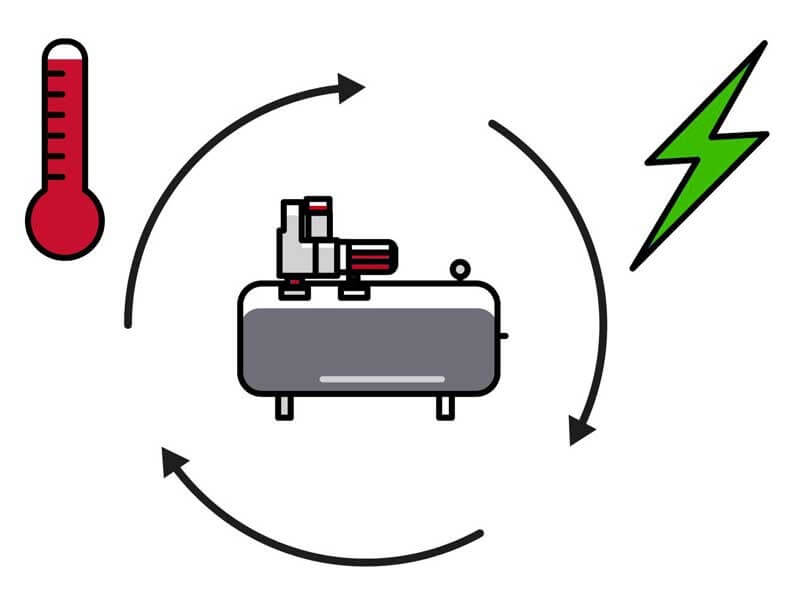
If you notice that your compressor is getting hot and bothered, there may be heating issues affecting your air compressors performance. Did
you know that an overheating compressor is top of the pops for being the most common cause of compressor failure.
Read More…
A rotary-screw compressor is an air compressor that uses a rotary-type positive-displacement mechanism, typically used replace piston
compressors where large volumes of high-pressure air are needed, either for large industrial applications or to operate high-power air
tools.
Read More…
Have a look around and what do you see? What are you thinking about? Your next holiday to Queenstown maybe? You might go snowboarding with
the kids or have some alone time at the Day Spa. Whatever holiday you choose, compressed air is involved in some way, without you even
realising it!
Read More…
There are crucial reasons why you should service and maintain your compressor regularly, with the most common issues being piston failure
caused by wear of components, increased friction, corrosion, reduced cooling, overheating bearings and components, clogging of air filters.
Read More…
Our passion for energy efficiency and cost saving derives from the concern for our children’s future. Analysing the efficiency of your
system is a brilliant way to start saving.
Read More…
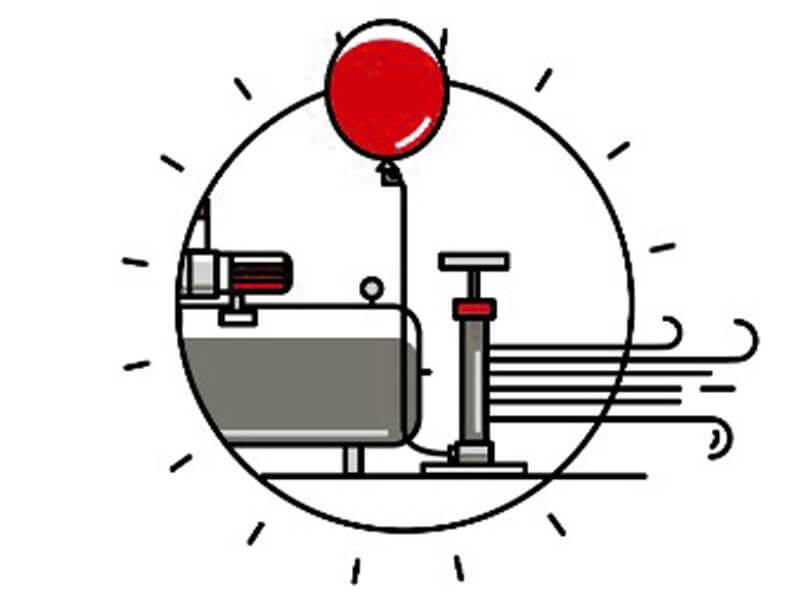
Compressed air is all around us, from the air in a balloon to pumping up tires on your bicycle. In this article we will explain what
compressed air is and how it is created. Whether you know it or not, compressed air is involved in every aspect of our lives, from the
balloons at your birthday party to the air in the tires of our cars and bicycles. It was probably even used when making the phone, tablet or
computer you’re viewing this on.
Read More…
One of the biggest challenges is to correctly size your new air compressor. Similarly to everything else, new compressors available on the
market are more efficient and employ better technology, therefore you have to understand the application and usage to size the machine
correctly. Choosing the wrong air compressor for your facility can lead to problems with production and or increased costs due to wasted
energy.
Read More…
Once you have the size of the air compressor figured out, the
next thing to do is to decide on the type of compresor you will need for your application - piston, rotary screw compressor etc. Let us take
a look at two of the most popular options available. When choosing the right type of compressor, you should ask yourself the following
questions:
Read More…
Which vacuum pump do I need? - this is one of the most frequent questions we receive and this is understandable, because there are number
of technologies which can provide the same vacuum level and pumping speed. Here is quick advice on how to choose the best vacuum pump for
your needs.
Read More…
You may be asking, why does my air compressor start, then stop? Allow us to take the guessing out of it. We understand your pain. We know
that a compressor problem can quickly result in hours (if not days) of production downtime and loss of revenue. When your compressor
continuously shuts off from on, we refer that as a short cycle. There are a few reasons that a short cycle may be happening with your
compressor.
Read More…
Air compressor leaks are very common in all applications, but can be very costly and difficult to find. On average, 20-30% of the compressed
air used in a manufacturing plant is wasted as leaked air. Finding and fixing these leaks can save your business thousands of wasted dollars
a year.
Read More…
When installing a compressed air system into a business, people often look to PVC piping as an option to build a piping system because it is
cheap, versatile and easy to install. However, using PVC pipe in any compressed air application is extremely dangerous and NOT recommended
by multiple associations and manufacturers.
Read More…
Changing the oil and oil filters on your compressor is one of the most common routine maintenance tasks to perform to keep your compressor
running efficiently. After you remove your old oil and oil filter, you may find yourself wondering, “Where do I dispose of these?”, or “Can I
just throw them in the trash?”. Because oil is toxic and a pollutant, disposing of your old oil and filters is not as simple as just tossing
them in the trash.
Read More…
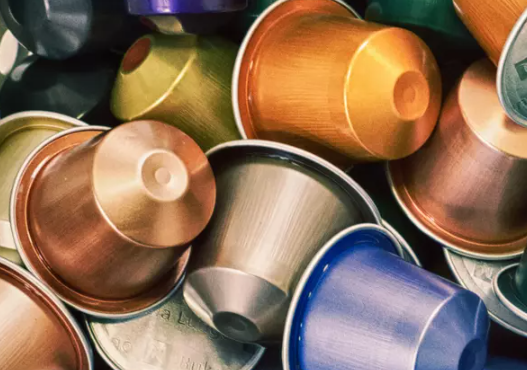 Nitrogen
plays an essential role in keeping our food fresh and increasing its shelf life. In a process called Modified Atmosphere Packaging (MAP),
it displaces ambient air in food containers. This keeps other gases, especially oxygen, away from the food and slows its degradation.
Therefore, if you are operating in the food and beverage industry, you need a steady supply of food grade nitrogen. It keeps your chips
crispy, your coffee flavorful and your wine tasty.
Nitrogen
plays an essential role in keeping our food fresh and increasing its shelf life. In a process called Modified Atmosphere Packaging (MAP),
it displaces ambient air in food containers. This keeps other gases, especially oxygen, away from the food and slows its degradation.
Therefore, if you are operating in the food and beverage industry, you need a steady supply of food grade nitrogen. It keeps your chips
crispy, your coffee flavorful and your wine tasty.