PVC Pipe: Why You Should Not Use PVC Piping for Your Compressed Air System
When installing a compressed air system into a business, people often look to PVC piping as an option to build a piping system because it is cheap, versatile
and easy to install. However, using PVC pipe in any compressed air application is extremely dangerous and NOT recommended by multiple associations
and manufacturers.
PVC piping is often used to transport liquids, mainly water, for multiple applications. If there is a leak in the piping while transporting water, often
times the pipe will split and release water at a low pressure. However, water is not compressible and cannot store energy in the same way that air
can. When air is compressed inside of PVC piping, the pipe can swell and burst at a high pressure, sending PVC shrapnel outward like a bomb, potentially
injuring or killing anyone within close range. The maximum rated temperature of most PVC piping is usually 140 degrees Farenheit, but once the air
travelling through the pipes reaches 110 F, the pressure rating of the pipe is cut in half. So a pipe that is rated for 150 psi, is now
rated for only 75 psi, causing a high possibility of an explosion. PVC pipe also deteriorates over time and becomes brittle, making the
chance of a leak or an explosion very likely as it ages.
In addition to the obvious dangers of using PVC piping for compressed air, it is also against OSHA (Occupational Safety and Health Administration) standards
to use PVC piping for above ground transportation of compressed air and gases. In doing so, you run the risk of hefty fines from OSHA and a potential
shutdown of your business if you have too many violations. The Plastic Pipe and Fittings Association has also stated that “Compressed air or inert
gases should never be used for pressure testing plastic piping systems.” Many manufacturers of PVC pipe also place warning labels on their packaging
stating that the pipe is not to be used in the transport of any compressed air or gas due to the large safety risk it creates.
So if I can’t use PVC, what type of piping should I use for my compressed air?
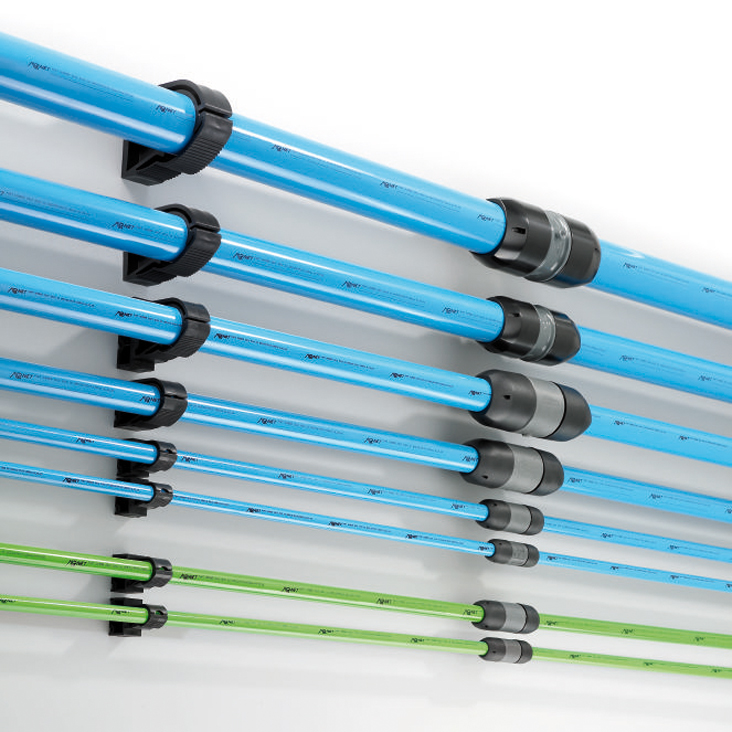
Both stainless steel and aluminum piping are highly recommended for compressed air transportation. Stainless steel piping is strong, durable and will not
rust. Aluminum piping is light-weight, easy to handle, non-corrosive and cost-efficient. AirNet offers both stainless and aluminium
solutions that are easy to install and comes backed with a 10-year warranty.
Although it may seem like a cheap, easy option to install PVC for transporting your compressed air, the high risk of fines, damage, injury and even death
greatly outweigh the perceived benefits of using PVC pipe. Contact us todayfor
a viable, safe solution for the transporting of your compressed air.
We recommend AIRnet Piping System
AIRnet is a fast, easy and reliable piping system, designed for compressed air, vacuum, and other inert gas applications from the source to
the point of use with the lowest total cost of ownership.
FAST
AIRnet saves you 70% on installation time vs. traditional piping systems
EASY
3 simple steps: CUT to length and deburr, INSERT in the fitting on the marked depth, SECURE and tighten correctly
RELIABLE
All AIRnet products come with a 10-year warranty on all fittings and pipes, against any damages resulting from material defect
Save the money that other piping systems spend
If you look at your total cost of ownership, AIRnet will turn out to be the best investment choice you can make. Airnet piping network is
engineered to support sustainable operational excellence in your production process. Material and product design, installation and
maintenance costs, flexibility and safety - they all influence your total cost of ownership and the level of efficiency in your
production.
Sustaining energy efficiency
AIRnet keeps your energy costs down. The AIRnet pipes and seamless connections have superior sealing to prevent leaks and reduce friction to
a minimum. This prevents pressure drops, saves energy and contributes to the sustainability of your production.
For any existing piping network
AIRnet supports the dynamics of your business. The comprehensive product range gives the flexibility to use the system for a wide range of
applications. It can be connected to any existing network within no time & its modular technology gives you the advantage of modifying /
expanding your network without affecting your production. AIRnet is the future-proof solution!
Call us to discuss how we can help you save costs, improve performance and achieve maximum efficiency.
AIRnet Aluminium installation is Fast, Easy and Reliable
AIRnet can be installed up to 85% faster than traditional piping system by one single technician. Installation is done with simple tools. No
welding, gluing or crimping is required.
You can find applications everywhere: AIRnet systems are used in all sorts of industries.
Automotive
We understand the importance of pneumatics in the automobile industry. The non-corrosive properties of the AIRnet system will ensure that
your downstream equipment is protected from rust and contamination.
Textile
Compressed air is used for spinning, weaving, knitting and several other processes. The AIRnet system provides clean air for these processes
to ensure high quality fabrics are produced.
Railway
The maintenance of the locomotives and coaches is very crucial to ensure passenger safety and on time service. We provide a comprehensive
piping solution to keep the maintenance sheds up and running.
Food & Beverage
The compressed air for Food and Beverage industry needs to be 100% oil free. AIRnet piping system is silicone free and now certified “class
0” ensuring the purest air is delivered to the processes.
Recreation
From amusement parks to the hotels, several processes in their operations rely on the compressed air. Whether it’s a critical braking system
of a roller coaster or powering up an animation figure to amuse the kids, AIRnet system will deliver the compressed air with zero leakage
and minimum pressure drop.
Aerospace
For manufacturing, repairs and overhauls, the aviation industry uses compressed air as the primary energy source to power their equipment.
AIRnet piping system is efficient, light weight, easy to install and reconfigure, and can be an ideal solution for the air distribution.
Do you have an idea for our #expertcorner? Let
us know!
Who we are and how Ash Air can help your business!
Ash Air has been around in New Zealand since 1979, and we’ve grown into a nationwide company with international support and a
reputation for quality and reliability.We look after all things compressed air for your business!
Reciprocating, Screw, air compressors
Vacuum pumps
Nitrogen
An extensive line of air treatment components
Ash Air's range of Chicago Pneumatic, Alup, Pneumatech, and Quincy compressors are used extensively around the world in industries
ranging from oil and gas to food, automotive and farming, and we bring you these world class compressors here in the land of the long white
cloud.Our technicians are compressed air equipment experts and are dedicated to addressing customer needs. Supported by a 13 locations
nationwide, Ash Air offers one of the widest selections of compressed air equipment and parts available today in New Zealand.
Reliability and Efficiency
With Ash Air compressors, you can count on reliability and high performance for even the most demanding applications. We focus our
efforts on the following:
Air compressors come in many types, rotary screw, piston, scroll, reciprocating, some are oil-free and other air compressors require oil
lubrication. Like many businesses, an efficient air compressor is at the heart of their operations. So, which type of compressor should you
choose? What makes a compressor, like a rotary screw, unique? Here are some clear cut benefits of equipping your business with a rotary
screw compressor.
Read More…
In the world of compressors, there are often significant and unutilized energy-saving possibilities including energy recovery, pressure
reduction, leakage reduction and optimization of operations through correct choice of a control and regulation system as well as the choice
of compressor size.We are going to take a look at some of the opportunities for minimizing the compressor’s operating costs.
Read More…
Many installations that produce compressed air offer significant and frequently unutilized energy
saving possibilities in
the form of waste energy recovery. In large industries, energy costs can amount to 80% of the total cost of compressed
air production.
However, a lot of this energy can be recovered, which in turn will save you a lot of money.
Read More…
Liquid water in compressed-air systems can lead to rusted equipment and unresponsive controls. Anyone who uses compressed air will, at some
point, find liquid water in the air distribution system. This can be anything from a nuisance to a serious problem, depending on the
application. If water might corrode equipment or introduce bacteria, removing it is critical.
Read More…
Liquid water in compressed-air systems can lead to rusted equipment and unresponsive controls. Anyone who uses compressed air will, at some
point, find liquid water in the air distribution system. This can be anything from a nuisance to a serious problem, depending on the
application. If water might corrode equipment or introduce bacteria, removing it is critical.
Read More…
Whenever most people think about a compressor, they probably have a piston compressor in mind. You might already know there are two basic
principles of air compression. One of those is the principle of displacement compression. There are a lot of compressor types that classify
as a displacement compressor. The piston compressor is one of them, oil-lubricated or oil-free.
Read More…
Once you have the size and type of
compressor figured out, one last question remains, should I go with an oil lubricated or oil-free air compressor. To not overcomplicate the
answer, your choice should be based on the application and process that the compressed air will be utilized in.
Read More…
Like all compressor types, rotary screw models do require periodic maintenance. Thanks to the simplicity of the internal components,
maintenance is relatively easy on most rotary air compressors. As long as you stick to a rotary screw compressor maintenance schedule, you
will likely be rewarded with many, many years of optimal productivity from your machine.
Read More…
Did you know, the biggest part of the air we breathe is nitrogen? Everyone needs oxygen to survive, however air is made up of 78% nitrogen,
only 21% oxygen and tiny amounts of other gases. Although, the human body does not use this nitrogen, it is very helpful in various
industrial applications. There is an unlimited source of nitrogen readily available, allowing you to achieve needed purity at a fraction of
your current annual nitrogen cost.
Read More…
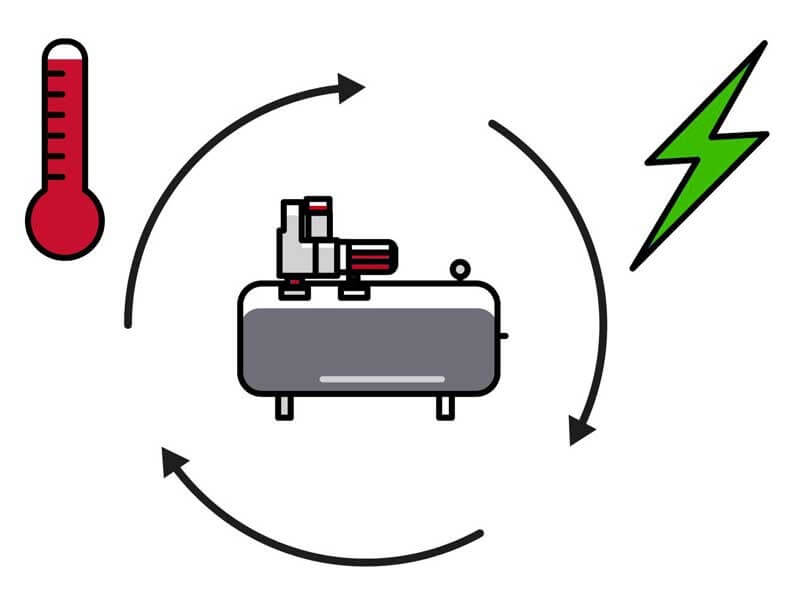
If you notice that your compressor is getting hot and bothered, there may be heating issues affecting your air compressors performance. Did
you know that an overheating compressor is top of the pops for being the most common cause of compressor failure.
Read More…
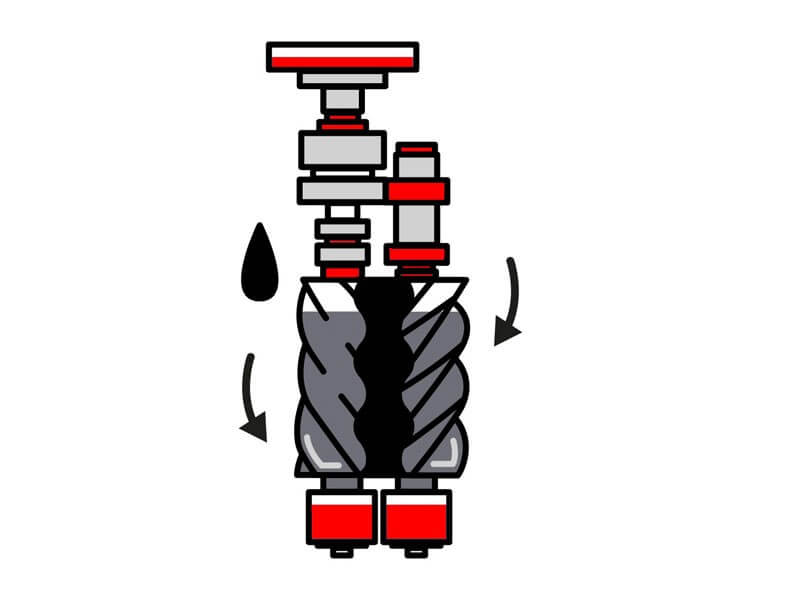
A rotary-screw compressor is an air compressor that uses a rotary-type positive-displacement mechanism, typically used replace piston
compressors where large volumes of high-pressure air are needed, either for large industrial applications or to operate high-power air
tools.
Read More…
Have a look around and what do you see? What are you thinking about? Your next holiday to Queenstown maybe? You might go snowboarding with
the kids or have some alone time at the Day Spa. Whatever holiday you choose, compressed air is involved in some way, without you even
realising it!
Read More…
There are crucial reasons why you should service and maintain your compressor regularly, with the most common issues being piston failure
caused by wear of components, increased friction, corrosion, reduced cooling, overheating bearings and components, clogging of air filters.
Read More…
Our passion for energy efficiency and cost saving derives from the concern for our children’s future. Analysing the efficiency of your
system is a brilliant way to start saving.
Read More…
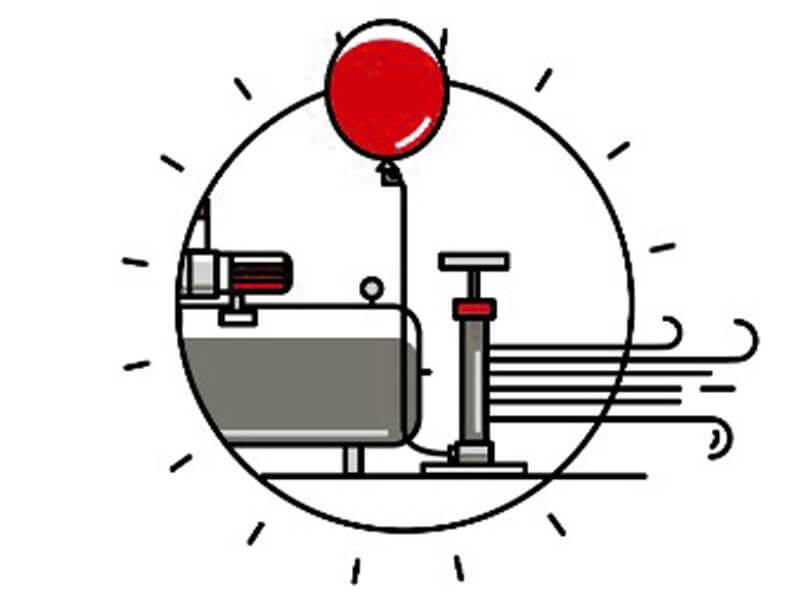
Compressed air is all around us, from the air in a balloon to pumping up tires on your bicycle. In this article we will explain what
compressed air is and how it is created. Whether you know it or not, compressed air is involved in every aspect of our lives, from the
balloons at your birthday party to the air in the tires of our cars and bicycles. It was probably even used when making the phone, tablet or
computer you’re viewing this on.
Read More…
One of the biggest challenges is to correctly size your new air compressor. Similarly to everything else, new compressors available on the
market are more efficient and employ better technology, therefore you have to understand the application and usage to size the machine
correctly. Choosing the wrong air compressor for your facility can lead to problems with production and or increased costs due to wasted
energy.
Read More…
Once you have the size of the air compressor figured out, the
next thing to do is to decide on the type of compresor you will need for your application - piston, rotary screw compressor etc. Let us take
a look at two of the most popular options available. When choosing the right type of compressor, you should ask yourself the following
questions:
Read More…
Which vacuum pump do I need? - this is one of the most frequent questions we receive and this is understandable, because there are number
of technologies which can provide the same vacuum level and pumping speed. Here is quick advice on how to choose the best vacuum pump for
your needs.
Read More…
You may be asking, why does my air compressor start, then stop? Allow us to take the guessing out of it. We understand your pain. We know
that a compressor problem can quickly result in hours (if not days) of production downtime and loss of revenue. When your compressor
continuously shuts off from on, we refer that as a short cycle. There are a few reasons that a short cycle may be happening with your
compressor.
Read More…
Air compressor leaks are very common in all applications, but can be very costly and difficult to find. On average, 20-30% of the compressed
air used in a manufacturing plant is wasted as leaked air. Finding and fixing these leaks can save your business thousands of wasted dollars
a year.
Read More…
When installing a compressed air system into a business, people often look to PVC piping as an option to build a piping system because it is
cheap, versatile and easy to install. However, using PVC pipe in any compressed air application is extremely dangerous and NOT recommended
by multiple associations and manufacturers.
Read More…
Changing the oil and oil filters on your compressor is one of the most common routine maintenance tasks to perform to keep your compressor
running efficiently. After you remove your old oil and oil filter, you may find yourself wondering, “Where do I dispose of these?”, or “Can I
just throw them in the trash?”. Because oil is toxic and a pollutant, disposing of your old oil and filters is not as simple as just tossing
them in the trash.
Read More…