Air compressors are used every day, by many industries around the world. They are often considered the heart of a business, in that most
companies will rely on their performance and efficiency to run their operations, to get work done effectively and safely. In your day to
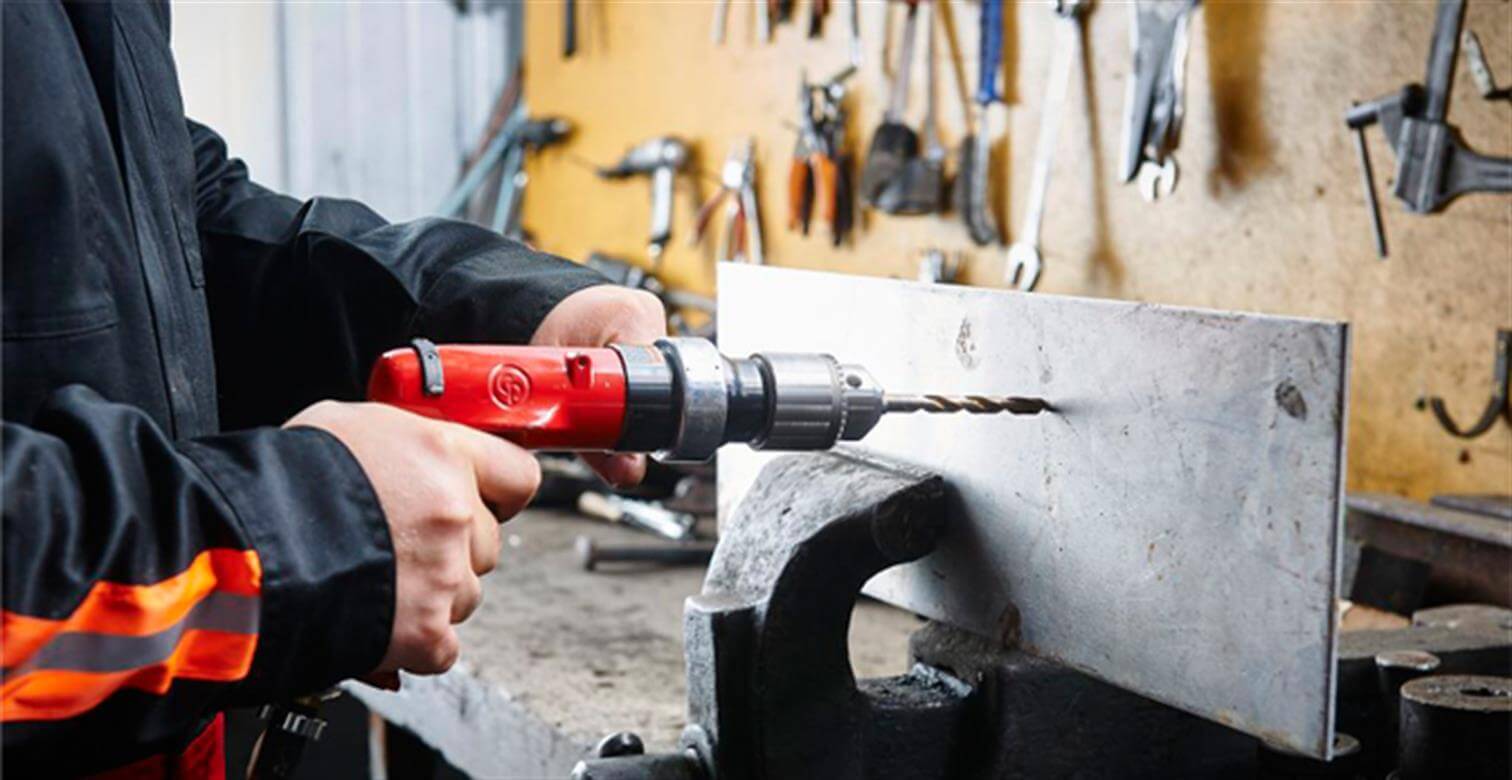
day, you've probably seen air compressors in use - whether at a build site powering construction equipment or in a mechanics workshop
inflating tyres.
You've probably even witnessed compressed air in action first hand without realising, like at an amusement park where the majority of the
rides use compressors to animate props, and propel you forward at the start of your ride. Overall, the pressure that is generated from
air compressors has a huge amount of uses in a vast variety of environments. This blog draws on our first in the series of how
compressed air is used, which can be found here.
Personal use of compressed air
The most popular compressor for personal use is the piston compressor, or reciprocating air compressor, which may be seen in workshops or at
home. These compressors are often light weight, with strong wheels, making them easy to move around or to fit in to the boot of a car or
truck. This type of air compressor can be powered by a petrol or gas engine or an electric motor and be either single staged, or a
two stage model, which has a higher amount of air supply. If you are someone that has a workshop at home, you may be painting a car or
air brushing, carpentry, building, adding tyres to bicycles, dusting, or fibre blowing, all powered by an air compressor.
Compressed air in New Zealand business'
Companies often rely on compressed air to run their operations efficiently. With the use of an air compressor, many smaller businesses will
be able to provide quicker service with higher quality execution, whether it be a simply inflating a tyre or performing in a
manufacturing factory or plant. Small to medium size businesses may use a reciprocating compressor to power pneumatic tools - you'll see
this commonly in the construction, small engine, dental or automotive / mechanical industry, as tools powered by compressed air are more
reliable than electricity powered tools which can short out or get too hot with ongoing use.
Compressed Air in Industrial settings
Compressed air is a necessity for industries that require a non-heating power source for safety purposes. The first air compressor was
created in the early 1800's and the demand for compressed air systems has grown from focusing on better equipping the metal fabrication
and mining industries, to now almost all industries - you can think of compressed air as the 4th utility after water, electric and gas.
Here at Ash Air, we have a full range of air compressors to suit your industry and application needs.
Agriculture industry
In the farming/agriculture industry, air compressors provide a low cost of ownership and extended performance. Compressed air is often seen
in the agriculture industry as tools that aid in spraying crops, used to power dairy machines, control ventilation systems in
glasshouses and conveyor systems which move feed from silos.
Manufacturing
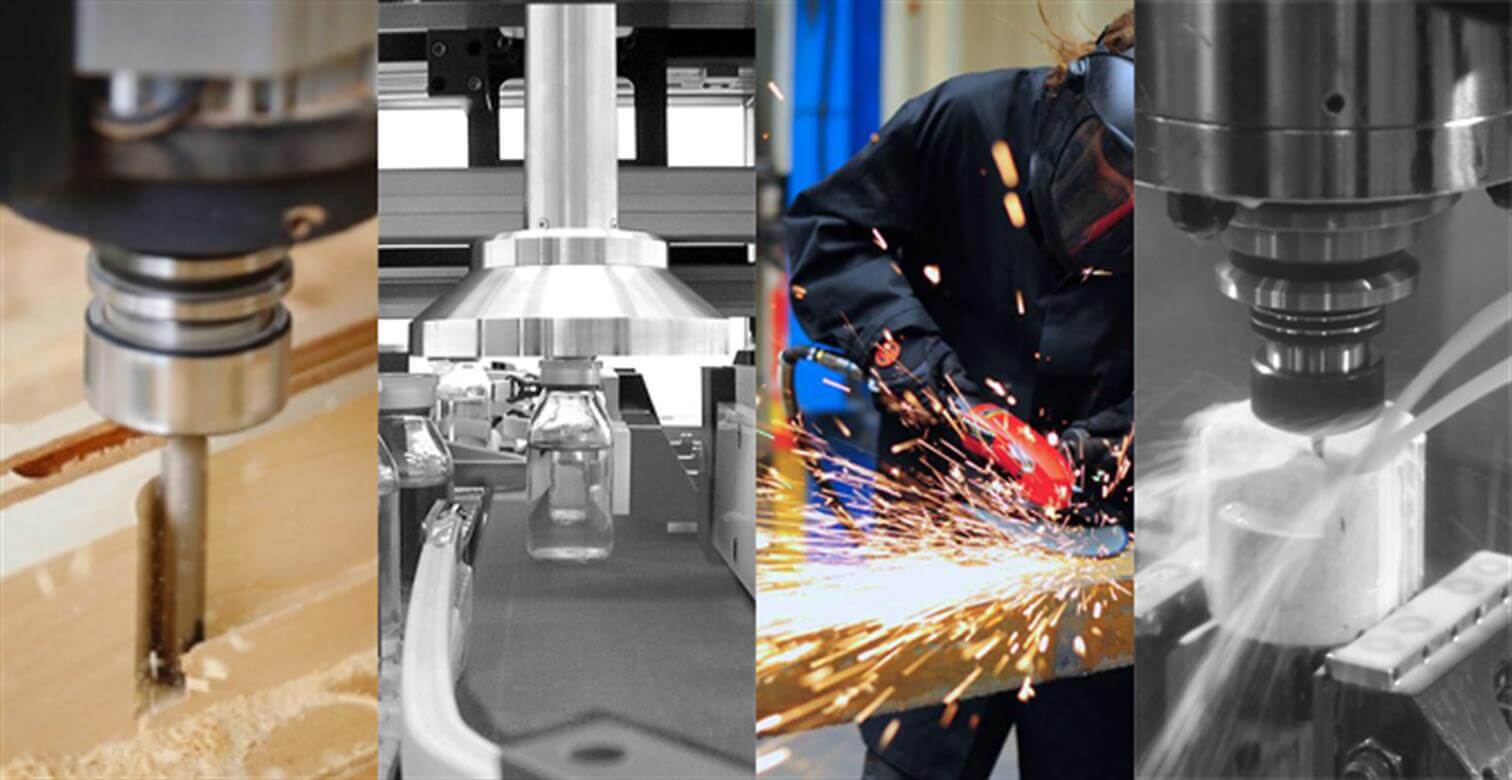
Air compressors are widely used in the manufacturing industry for applications such as metal fabrication, automotive and other assembly
plants, plastics and refineries. You can expect to see compressed air operating machines and equipment on production lines, welding
equipment, driving screws, blowing plastic bottles, finishing metal, automated machinery, and packaging.
Pharmaceutical
Oil-free compressors are especially sort after by the pharmaceutical industry. 100% pure, clean air which is dry is a top priority for this
industry as it is very regulated. An air compressor system in this industry will most likely be moving product on conveyor belts,
spraying coatings on products, and bottling and packaging products.
Food and Beverage
Food and beverage industries need contaminate-free and consistent compressed air to run their constant operations, which may be pelleting
and packing products, filling equipment for beverages, cooling and freezing products, and sealing packaging. Compressed air in this
industry gives the end users more control over air quality since its generated onsite.
Compressed Air is being used all around you!
Now that we know a bit more about how compressors are used in New Zealand industries and at home, you may have witnessed compressed air
being used during a hobby, or activity, household chores, going to and from work, and other non-obvious ways. Such as:
You're on holiday in Fiji (yes we can wish), and you go on a Scuba dive. When you're underwater, the oxygen in the tank that you breathe
from is filled up using an air compressor!
You're cars engine has heating and cooling systems which help to run your car and stop issues from arising
You decide to do a paintball game for your birthday. The paintball guns propel the paintballs with compressed air!
That Rainbows End roller coaster is run using compressed air, as is the Fear Fall!
That bus you caught this morning, uses compressor air for their brakes!
Midnight snack? Your fridge keeps your food nice and cool by using compressed air to chill inside the unit.
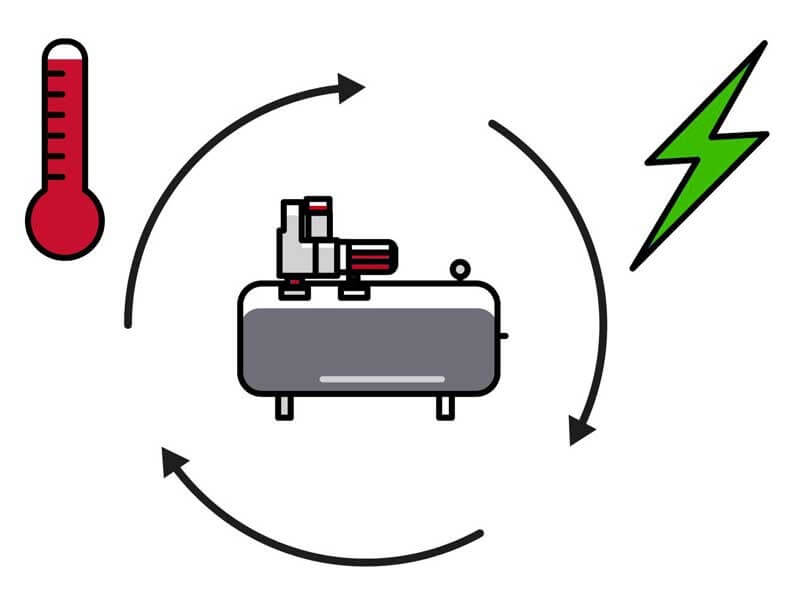
Increase efficiency of your compressed air system with heat recovery.
Compressor systems can be designed to recover the heat produced from compression to be used elsewhere in a facility. This heat can be put to
good use for a different application like space heating, heating process water, lubricants or other fluids used for production or can be
delivered to the plant locker room to supply hot water for showers.
Compressed air = less risk of hazards for certain industries
Some industries that are active in mining, oil rigging, tunneling, and many more use compressed air as power to mitigate the risk of fires
and explosions. Certain hazardous environments see their only option for power to be in the form of compressed air. Oil and gas
platforms, mines and tunneling equipment are examples of situations that pose a high risk of explosion and fire and compressed air is
typically a cost effective means to eliminate this. Compressed air has been a solution to many industry challenges over the years. From
its first use in allowing the mining industry to have a less hazardous environment to its efficiency-focused uses in manufacturing and
construction industries, we are sure to see more applications in the future that use compressed air to make processes easier, cheaper or
safer.
Here at Ash Air, we have been in business since 1979, and we have seen many changes in how compressed air is used, and the technologies
in place. We have been quick thinking, progressive, and have strived over decades to provide our customers in their industries with
solutions when they are faced with challenges. With our upskilled engineers, 24/7 breakdown support, we offer astounding performance,
durability and reliability, supporting the longevity of your business.
Who we are and how Ash Air can help your business!
Ash Air has been around in New Zealand since 1979, and we’ve grown into a nationwide company with international support and a
reputation for quality and reliability.We look after all things compressed air for your business!
Reciprocating, Screw, air compressors
Vacuum pumps
Nitrogen
An extensive line of air treatment components
Ash Air's range of Chicago Pneumatic, Alup, Pneumatech, and Quincy compressors are used extensively around the world in industries
ranging from oil and gas to food, automotive and farming, and we bring you these world class compressors here in the land of the long white
cloud.Our technicians are compressed air equipment experts and are dedicated to addressing customer needs. Supported by a 13 locations
nationwide, Ash Air offers one of the widest selections of compressed air equipment and parts available today in New Zealand.
Reliability and Efficiency
With Ash Air compressors, you can count on reliability and high performance for even the most demanding applications. We focus our
efforts on the following:
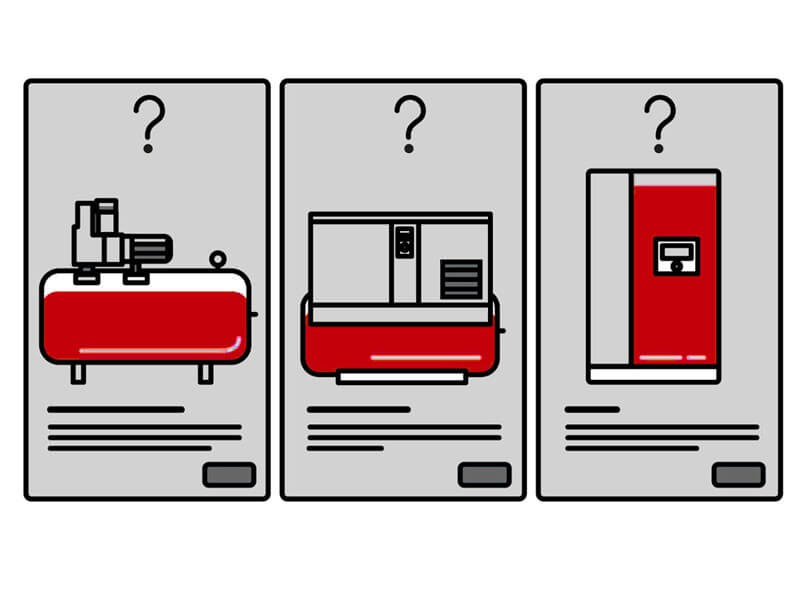
Air compressors come in many types, rotary screw, piston, scroll, reciprocating, some are oil-free and other air compressors require oil
lubrication. Like many businesses, an efficient air compressor is at the heart of their operations. So, which type of compressor should you
choose? What makes a compressor, like a rotary screw, unique? Here are some clear cut benefits of equipping your business with a rotary
screw compressor.
Read More…
In the world of compressors, there are often significant and unutilized energy-saving possibilities including energy recovery, pressure
reduction, leakage reduction and optimization of operations through correct choice of a control and regulation system as well as the choice
of compressor size.We are going to take a look at some of the opportunities for minimizing the compressor’s operating costs.
Read More…
Many installations that produce compressed air offer significant and frequently unutilized energy
saving possibilities in
the form of waste energy recovery. In large industries, energy costs can amount to 80% of the total cost of compressed
air production.
However, a lot of this energy can be recovered, which in turn will save you a lot of money.
Read More…
Liquid water in compressed-air systems can lead to rusted equipment and unresponsive controls. Anyone who uses compressed air will, at some
point, find liquid water in the air distribution system. This can be anything from a nuisance to a serious problem, depending on the
application. If water might corrode equipment or introduce bacteria, removing it is critical.
Read More…
Liquid water in compressed-air systems can lead to rusted equipment and unresponsive controls. Anyone who uses compressed air will, at some
point, find liquid water in the air distribution system. This can be anything from a nuisance to a serious problem, depending on the
application. If water might corrode equipment or introduce bacteria, removing it is critical.
Read More…
Whenever most people think about a compressor, they probably have a piston compressor in mind. You might already know there are two basic
principles of air compression. One of those is the principle of displacement compression. There are a lot of compressor types that classify
as a displacement compressor. The piston compressor is one of them, oil-lubricated or oil-free.
Read More…
Once you have the size and type of
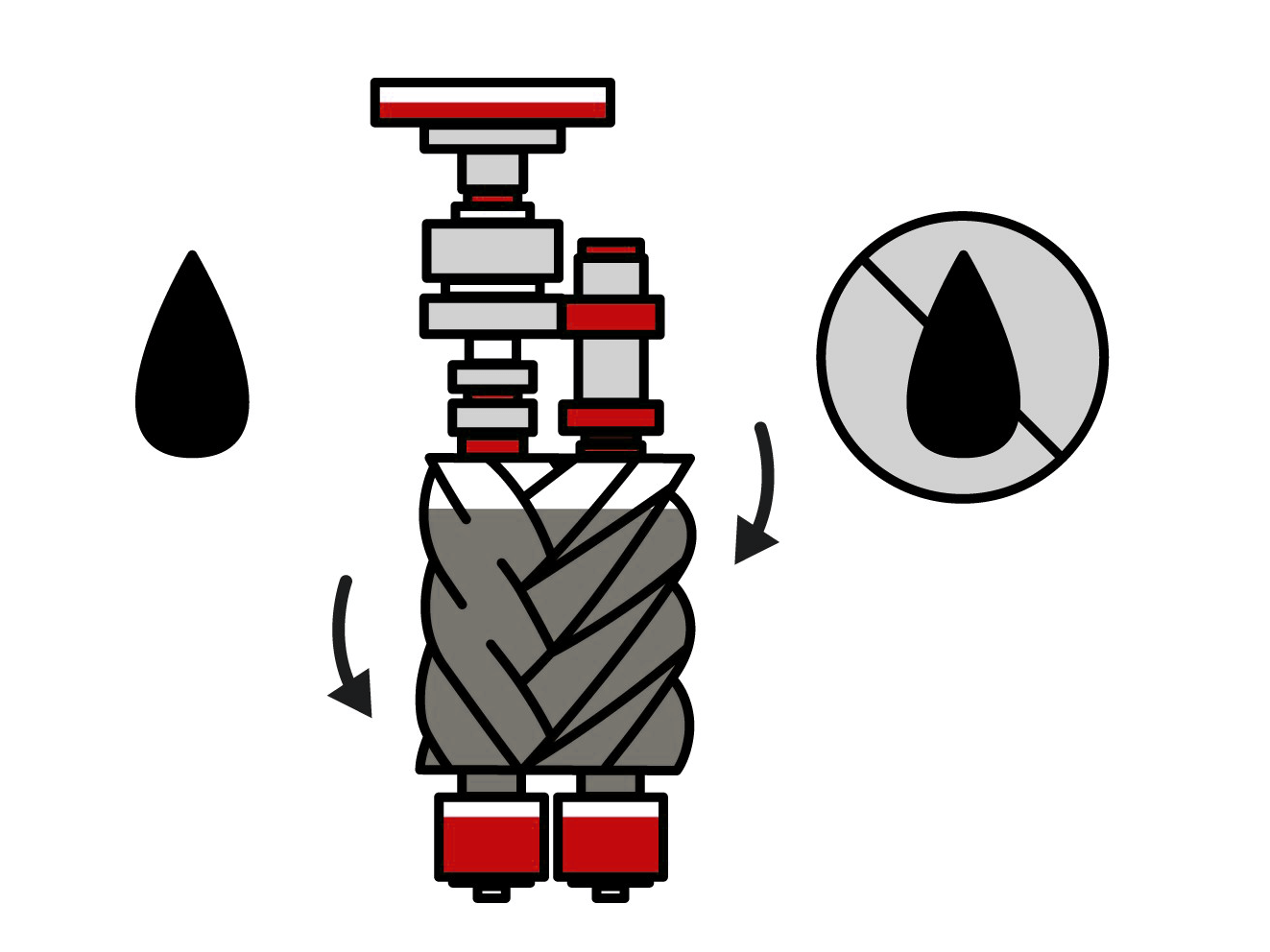
compressor figured out, one last question remains, should I go with an oil lubricated or oil-free air compressor. To not overcomplicate the
answer, your choice should be based on the application and process that the compressed air will be utilized in.
Read More…
Like all compressor types, rotary screw models do require periodic maintenance. Thanks to the simplicity of the internal components,
maintenance is relatively easy on most rotary air compressors. As long as you stick to a rotary screw compressor maintenance schedule, you
will likely be rewarded with many, many years of optimal productivity from your machine.
Read More…
Did you know, the biggest part of the air we breathe is nitrogen? Everyone needs oxygen to survive, however air is made up of 78% nitrogen,
only 21% oxygen and tiny amounts of other gases. Although, the human body does not use this nitrogen, it is very helpful in various
industrial applications. There is an unlimited source of nitrogen readily available, allowing you to achieve needed purity at a fraction of
your current annual nitrogen cost.
Read More…
If you notice that your compressor is getting hot and bothered, there may be heating issues affecting your air compressors performance. Did
you know that an overheating compressor is top of the pops for being the most common cause of compressor failure.
Read More…
A rotary-screw compressor is an air compressor that uses a rotary-type positive-displacement mechanism, typically used replace piston
compressors where large volumes of high-pressure air are needed, either for large industrial applications or to operate high-power air
tools.
Read More…
Have a look around and what do you see? What are you thinking about? Your next holiday to Queenstown maybe? You might go snowboarding with
the kids or have some alone time at the Day Spa. Whatever holiday you choose, compressed air is involved in some way, without you even
realising it!
Read More…
There are crucial reasons why you should service and maintain your compressor regularly, with the most common issues being piston failure
caused by wear of components, increased friction, corrosion, reduced cooling, overheating bearings and components, clogging of air filters.
Read More…
Our passion for energy efficiency and cost saving derives from the concern for our children’s future. Analysing the efficiency of your
system is a brilliant way to start saving.
Read More…
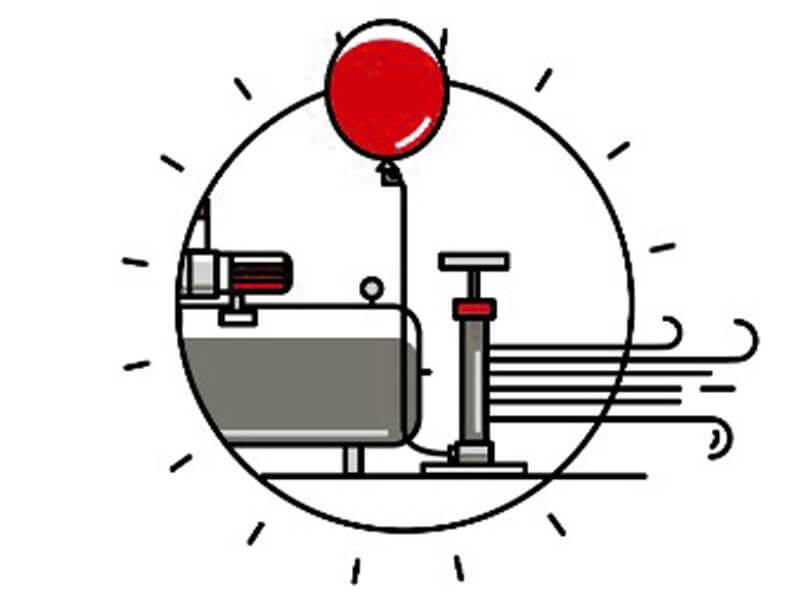
Compressed air is all around us, from the air in a balloon to pumping up tires on your bicycle. In this article we will explain what
compressed air is and how it is created. Whether you know it or not, compressed air is involved in every aspect of our lives, from the
balloons at your birthday party to the air in the tires of our cars and bicycles. It was probably even used when making the phone, tablet or
computer you’re viewing this on.
Read More…
One of the biggest challenges is to correctly size your new air compressor. Similarly to everything else, new compressors available on the
market are more efficient and employ better technology, therefore you have to understand the application and usage to size the machine
correctly. Choosing the wrong air compressor for your facility can lead to problems with production and or increased costs due to wasted
energy.
Read More…
Once you have the size of the air compressor figured out, the
next thing to do is to decide on the type of compresor you will need for your application - piston, rotary screw compressor etc. Let us take
a look at two of the most popular options available. When choosing the right type of compressor, you should ask yourself the following
questions:
Read More…
Which vacuum pump do I need? - this is one of the most frequent questions we receive and this is understandable, because there are number
of technologies which can provide the same vacuum level and pumping speed. Here is quick advice on how to choose the best vacuum pump for
your needs.
Read More…
You may be asking, why does my air compressor start, then stop? Allow us to take the guessing out of it. We understand your pain. We know
that a compressor problem can quickly result in hours (if not days) of production downtime and loss of revenue. When your compressor
continuously shuts off from on, we refer that as a short cycle. There are a few reasons that a short cycle may be happening with your
compressor.
Read More…
Air compressor leaks are very common in all applications, but can be very costly and difficult to find. On average, 20-30% of the compressed
air used in a manufacturing plant is wasted as leaked air. Finding and fixing these leaks can save your business thousands of wasted dollars
a year.
Read More…
When installing a compressed air system into a business, people often look to PVC piping as an option to build a piping system because it is
cheap, versatile and easy to install. However, using PVC pipe in any compressed air application is extremely dangerous and NOT recommended
by multiple associations and manufacturers.
Read More…
Changing the oil and oil filters on your compressor is one of the most common routine maintenance tasks to perform to keep your compressor
running efficiently. After you remove your old oil and oil filter, you may find yourself wondering, “Where do I dispose of these?”, or “Can I
just throw them in the trash?”. Because oil is toxic and a pollutant, disposing of your old oil and filters is not as simple as just tossing
them in the trash.
Read More…