
Luck of the Irish and Compressed Air Give Us Beer
With the Luck of the Irish and a little help from air compressors we will all be enjoying a pint of our favorite beer this St. Patrick’s Day! Read More…
.png) Air
compressors use considerable volumes of energy during a typical work cycle. When you add up all the expenses of operating a facility, any
savings can help you boost your bottom line. With air compressors, savings come down to efficiency, which depends on a steady maintenance
regimen. The following 13 ways to reduce compressed air costs can help you increase your productivity, boost your earnings and prevent
costly repairs and system downtime.
Air
compressors use considerable volumes of energy during a typical work cycle. When you add up all the expenses of operating a facility, any
savings can help you boost your bottom line. With air compressors, savings come down to efficiency, which depends on a steady maintenance
regimen. The following 13 ways to reduce compressed air costs can help you increase your productivity, boost your earnings and prevent
costly repairs and system downtime.
Air compressors use considerable volumes of energy during a typical work cycle. When you add up all the expenses of operating a facility, any savings can help you boost your bottom line. With air compressors, savings come down to efficiency, which depends on a steady maintenance regimen. The following 13 ways to reduce compressed air costs can help you increase your productivity, boost your earnings and prevent costly repairs and system downtime.
 One
of the easiest ways to lower compressed air costs is to simply turn your compressor off during the hours when you do not need it for any
of your applications. To a lot of people, this might seem like a piece of anti-advice. After all, this article is about how to lower
compressed air costs and be productive with pressurized air. How would shutting off the compressor help you achieve that goal? The thing
is, a lot of people keep their air compressors idling during off-hours, oblivious to the fact that this wastes energy.
One
of the easiest ways to lower compressed air costs is to simply turn your compressor off during the hours when you do not need it for any
of your applications. To a lot of people, this might seem like a piece of anti-advice. After all, this article is about how to lower
compressed air costs and be productive with pressurized air. How would shutting off the compressor help you achieve that goal? The thing
is, a lot of people keep their air compressors idling during off-hours, oblivious to the fact that this wastes energy.
Think of it this way. A calendar week consists of 168 hours. Unless you actually use your compressor for processes that run nonstop, 24/7, there is no reason to have your compressor running every hour around the clock. If you only use the compressor for eight, 10 or 12 hours per day, five days per week, you would only need to have the compressor on between 40 and 60 hours in a given week. By cutting the hours of usage down to a typical working week, you could cut your energy consumption down by two-thirds and see significant savings in your subsequent energy bills.
To save money on compressed air costs, it is crucial to eliminate air leaks as much as possible. With air compressors, four-fifths of the energy consumed in a given cycle turns to heat, and only the remaining 19 percent yields air power. When leaks and other performance issues plague the compressor, the overall efficiency drops even lower than that one-fifth level. It is, therefore, essential to inspect your compressed air system for leaks regularly and perform maintenance when necessary.
Most leaks are hard to detect because they are either located in hard-to-access spots or the rupture is not large enough to be audible at arm’s length. Depending on the scope and magnitude of your operations, the costs associated with air leaks could spill into the four- or five-figure range each year. The most effective way to reduce leaks is to use an ultrasonic leak detector, which can detect some of the smallest and faintest leaks. With a leak detector, you can spot and remedy leaks in their formative stages before they expand and lead to costlier problems.
 Consistently
achieve lower compressor energy costs, you must perform anti-leak preventative maintenance regularly. During each inspection, leave no
stone unturned in your efforts to prevent the formation of leaks. When it comes to stopping leaks, you must look at various parts of the
system, both inside and out, because various problems can result in new leaks.
Consistently
achieve lower compressor energy costs, you must perform anti-leak preventative maintenance regularly. During each inspection, leave no
stone unturned in your efforts to prevent the formation of leaks. When it comes to stopping leaks, you must look at various parts of the
system, both inside and out, because various problems can result in new leaks.
The first place to check is the pipes, which could be vulnerable to cracks if corrosive elements are allowed to deposit along the length of a given pipe or any of the connecting points. If you spot dust particles or sludge around the piping, clean these spots as thoroughly as possible. To keep each surface in optimal condition, you must keep each pipe clean and dry.
During these inspections, check the filters and drains to ensure that no dust or water accumulates within the system. When mist and dirt get trapped within the compressor and deposit on various internal parts, corrosive gunk can take hold and lead to rust, leaks and system strain.
Even when your system is free of leaks and dirt, you can cut compressed air costs even further by reducing the pressure to the levels required for a given operation. At many facilities, pressure levels are set to maximum thresholds to accommodate the highest-pressure applications. The trouble is, these high-pressure tools and applications might only account for a fraction of the air-powered arsenal.
If you only use high-pressure tools on a part-time basis, consider the possibility of separating those tools from the rest of your equipment. This way, you could run your compressor at medium pressure and save energy through most of your working hours and only increase the pressure when necessary.
If you operate a large facility with multiple compressors, designate each machine for different pressure levels. For example, if you have a range of lower- or medium-pressure applications and only one or two that require high pressure, you could save energy by moving those latter applications to a second compressor specifically designated for such tools.
.png) While
condensate drains perform an essential task for your air compressor, the feature itself could be a huge drain on your system if it
malfunctions without anyone noticing. On air compressors with timer drains, the drain valve will automatically open each time the timer
goes off. If the machine is inactive when this occurs, the timer drain will start up the motor for a short time. Consequently, the drain
could often inflict excess wear and tear on your system, just so the drainage process can occur according to schedule.
While
condensate drains perform an essential task for your air compressor, the feature itself could be a huge drain on your system if it
malfunctions without anyone noticing. On air compressors with timer drains, the drain valve will automatically open each time the timer
goes off. If the machine is inactive when this occurs, the timer drain will start up the motor for a short time. Consequently, the drain
could often inflict excess wear and tear on your system, just so the drainage process can occur according to schedule.
Further problems could arise if the timer drain gets stuck in the open position. Depending on the placement of your air compressor and the maintenance schedule of your staff, an open drain door might go unnoticed for several weeks or months. That whole time, compressed air will inevitably leak from the system.
To get around this problem, use a zero-loss drain. This way, your system will not be vulnerable to air loss each time you drain the system. By investing in a zero-loss drain, you can save in the long run by preventing the air loss and maintenance costs that will mount over time due to the problems associated with timer drains.
.png) The
piping for your air system should be wide enough to allow optimal flow and reduce pressure drop. At the same time, pipes should travel the
shortest possible distance to reduce the length of flow, as lengthy flow increases the possibility of pressure drop. With wider pipes, you
can cut pressure drop in half because the air can travel faster and retain its original pressure.
The
piping for your air system should be wide enough to allow optimal flow and reduce pressure drop. At the same time, pipes should travel the
shortest possible distance to reduce the length of flow, as lengthy flow increases the possibility of pressure drop. With wider pipes, you
can cut pressure drop in half because the air can travel faster and retain its original pressure.
Pressure drop is liable to increase when the routing is lengthy and complicated. The longer each flow must travel, the more the pressure drop will be by the time the air reaches its end-point destination. If the pipes are changed in a way that doubles the flow, the pressure drop could increase four-fold. Consequently, your pneumatic processes would be rendered weaker, and the system overall would be less efficient because of tight, lengthy piping.
In recent years, piping has changed on newer compressed air systems. If your current piping was used years earlier on a smaller compressor, consider a new arrangement. If your pipes are smaller than the outlets on your compressor, trade up to a new set of pipes that are wider in diameter. Rather than complicate matters, arrange your pipes so that the flow is wide and as short as possible.
To further cut compressed air operating costs, clean the filters throughout your system on a regular basis. On each unit, the filters play a critical role in the process of the system by capturing dust and dirt from the incoming air. This way, the ambient air is free of air-bound particulates by the time it enters the pressurization chambers. Without the filters, the pressurized air would likely be contaminated and rendered far less effective for pneumatic applications. Moreover, dust and dirt would filter through the air compressor and accumulate on various internal parts.
Depending on the volume and frequency of your operations, each filter should be cleaned on a weekly or monthly basis. Make sure that all dirt is removed before you restart the compressor. Additionally, clean any secondary filters, such as air-line or point-of-use filters situated outside the compressor room or away from the actual units. When a filter appears worn or soiled with residue, change out the filter with a matching replacement.
When it comes to the operation of your system, one thing is certain — maintenance amounts to savings on compressed air operating costs. To maximize the functions of your air compressor, you must inspect the unit on the outside and inside periodically. In addition to the pipes and filters, you should regularly inspect the motor fans, drip tray, belt and lubrication.
The fans in your air compressor perform a crucial function by lowering the heat inside your unit. To keep the fans fully functional, check the blades for dirt or lint. If one of the blades appears dull or cracked, trade out that fan for a newer duplicate.
Each time you open up the air compressor, inspect the belt to make sure that it has the proper flex to function properly. Give the belt a slight pull to test its elasticity and run your finger across the side for signs of cracks or dullness. When you check the lubrication, make sure that it has the proper color and viscosity. If the machine has been excessively hot, the lubrication could melt and leave the internal parts vulnerable to grinding and rust.
.png) An
engineer who knows how to save on compressed air costs will work to eliminate wasteful uses of pressurized air. Regardless of the size of
your facility, it is crucial to know the pressurization requirements for the applications at hand and the amount of energy needed to make
it all possible. Otherwise, extraneous uses of energy could eat into your profit margin.
An
engineer who knows how to save on compressed air costs will work to eliminate wasteful uses of pressurized air. Regardless of the size of
your facility, it is crucial to know the pressurization requirements for the applications at hand and the amount of energy needed to make
it all possible. Otherwise, extraneous uses of energy could eat into your profit margin.
In some cases, various minor acts of compressed air usage can amount to wasteful behavior. For example, if pneumatic blowers are used by factory floor personnel to dust off tables and shelves, air power is being consumed for a function that could just as easily be performed with manual brushes.
In other cases, extraneous compressed-air usage can quickly become a costly habit. For example, if air blowers are being used to cool the interior of an industrial facility, you could be faced with soaring energy costs over a function that would be much better achieved with fans or an air conditioning system.
In a compressed air setup, the size and placement of the air receiver is a major determining factor in the overall operating cost of the system. For each successive pressurized air supply, the air receiver functions as a placeholder between the compressor and the system at large. Within the air receiver, the pressure is modulated to suit the demands of the application at hand.
In some factories, technicians place the air receiver before the air dryer. This way, lingering traces of oil and condensate are removed from the process before it reaches the dryer. The downside to this arrangement is that the receiver is forced to hold denser supplies of air. If the demand surpasses the capacity rating, the dryer might get overloaded and increase the dew point pressurization.
The other option is to place the receiver after the dryer. This way, spikes in demand are received with dry air. For protective purposes, the ideal arrangement is to affix the supply side with two receivers. In this arrangement, the first receiver controls condensate dropout while the second handles varying demand levels.
.png) The
importance of drying pressurized air is generally a misunderstood concept, even among people who mostly understand how to lower compressed
air system costs. Consequently, the systems put in place for this purpose are often inefficient. One of the most frequently asked
questions about filters and dryers concerns whether desiccant or refrigerant types are best. The question is usually followed by further
inquiries regarding regulators, lubricants and filtration levels.
The
importance of drying pressurized air is generally a misunderstood concept, even among people who mostly understand how to lower compressed
air system costs. Consequently, the systems put in place for this purpose are often inefficient. One of the most frequently asked
questions about filters and dryers concerns whether desiccant or refrigerant types are best. The question is usually followed by further
inquiries regarding regulators, lubricants and filtration levels.
Before these questions can be answered, the applications of your compressed air system must be taken into account. For example, the level of your drying needs could depend on whether you operate in a humid environment. That said, certain principles apply in all cases. For starters, never allow pressurized air to dry beyond the required level of the application, as doing so will make your operations more costly. The more efficient option is to first use a refrigerant dryer and only apply further drying on an as-needed basis, as determined by the application. To avoid additional pressure drop, limit your use of filters to the bare necessity.
One of the easiest ways to save money on compressed air energy is to pay for a professional tune-up of your air compressors and peripheral parts. When you hire a third-party maintenance technician to come to your facility, that person will likely spot issues that your in-house staff may overlook. Professional maintenance techs have inspected hundreds of different air compressors and know about all the common mistakes that users make with these machines.
A professional technician will come to your facility with equipment and tools to evaluate and tighten up your system in all the weak spots. If your connectors are loose, the technician will tighten these spots and run a test on the compressor to verify that the leaks have been sealed. If your compressor is losing oil, the technician will diagnose the problem and rectify the situation, whether this involves a new compartment or a new set of fasteners.
.png) Anyone
who really knows how to save energy in compressed air systems will stress the importance of choosing the right type of compressor for a
given set of applications. If your operations are large and high-volume, you will need a different kind of compressor than the type used
by companies that specialize in delicate products and vice versa. In any case, the four main compressor types are defined by the following
attributes:
Anyone
who really knows how to save energy in compressed air systems will stress the importance of choosing the right type of compressor for a
given set of applications. If your operations are large and high-volume, you will need a different kind of compressor than the type used
by companies that specialize in delicate products and vice versa. In any case, the four main compressor types are defined by the following
attributes:
Ash Air has been around in New Zealand since 1979, and we’ve grown into a nationwide company with international support and a reputation for quality and reliability.We look after all things compressed air for your business!
Ash Air's range of Chicago Pneumatic, Alup, Pneumatech, and Quincy compressors are used extensively around the world in industries ranging from oil and gas to food, automotive and farming, and we bring you these world class compressors here in the land of the long white cloud.Our technicians are compressed air equipment experts and are dedicated to addressing customer needs. Supported by a 13 locations nationwide, Ash Air offers one of the widest selections of compressed air equipment and parts available today in New Zealand.
With Ash Air compressors, you can count on reliability and high performance for even the most demanding applications. We focus our efforts on the following:
Luck of the Irish and Compressed Air Give Us Beer
With the Luck of the Irish and a little help from air compressors we will all be enjoying a pint of our favorite beer this St. Patrick’s Day! Read More…

What is compressed air humidity?
The air surrounding us is a mixture of fry air and water vapor. The amount of water in the air depends on the temperature and volume of the gas. The higher the air temperature, the higher the air's ability to absorb more moisture. Find out about compressed air humidity here. Read More…

The Dangers of a Load Too Small for a Diesel Power Generator
The generator starts up, and not long after, white smoke and oil are seen coming out of the exhaust. It is new, and tested, good quality diesel... I wonder what happened? Read More…

7 important gas generation energy saving tips
Investing in an on-site industrial gas generator is a great way to reduce your environmental footprint and your operating costs. Once you have taken this important step, there are some other things you can do to maximize your gas generation energy savings. Here are seven of them. Read More…

The importance of saving energy when compressing air
For many businesses, preserving energy and becoming more sustainable have become top priorities. That not only saves them money but also makes them more competitive in the future, when demand for “green” products and services will only increase. Not just because governments mandate greater sustainability but also because customers expect it. Read More…
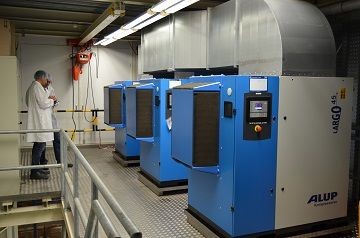
Compressed Air in everyday Life
While you relax and read this, do you see an electronic appliance around you? Wondering how could you relate to the current read? We got you! Compressed air is all around, in the electronic appliances you use right now. Read More…
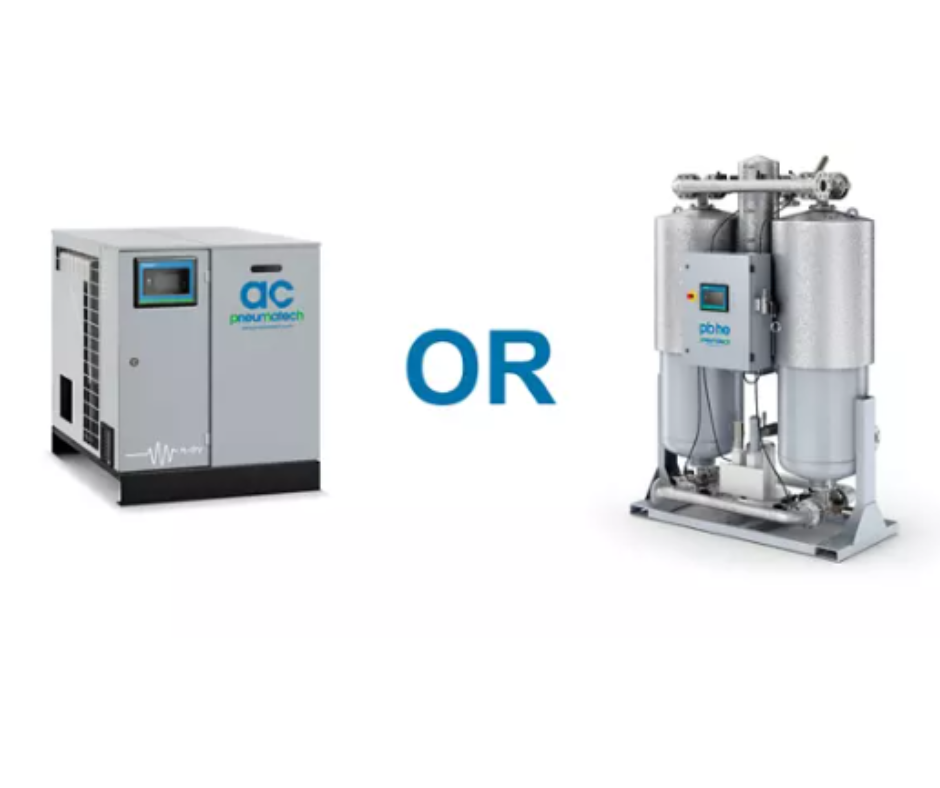
Selecting the right compressed air dryer
How do you know which type of compressed air dryer will best meet your needs? These insights will help you make the right decision. Read More…

How nitrogen makes plant based meat better
How is plant based meat made? And how does nitrogen make it taste better? Read More…

Why are compressed air dryers so important?
There are many contaminants that can threaten your compressed air system, but moisture is among the most prevalent. You may be thinking, but it’s just water, but water can have a devastating impact on your compressed air system, your production equipment, and your end product. The best way to prevent moisture from contaminating your compressed air is with a dryer. Read More…
.jpeg)
How to Make Your Air Compressor More Efficient
Compressed air can be one of the most expensive forms of energy for manufacturing plants, often using more energy than other equipment. One horsepower of compressed air requires eight horsepower of electricity. With many air compressors running at efficiencies as low as 10%, there’s often plenty of room for improvement. Fortunately, 50% of compressed air systems at small- to medium-sized industrial facilities have opportunities for low-cost energy conservation. Read More…

Choosing the Right Vacuum Pump for You
As easy as it would make all of our lives, vacuum pumps are far from being “one size fits all”. Not only do you have the size to consider when choosing a vacuum pump, but more importantly type. I will briefly touch on some of the advantages and disadvantages associated with each vacuum technology we deal with. This should give you a better understanding of where to begin your search... Read More…
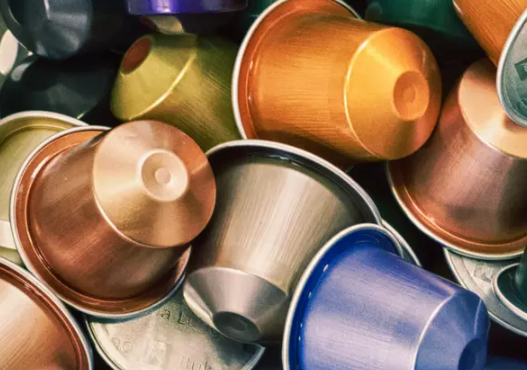
The keys to generating food grade nitrogen
A nitrogen generator, combined with an air compressor and the necessary air treatment products, can provide you with a steady supply of food grade nitrogen. Read More…
.jpeg)
What is a piping quick-drop for?
AIRnet offers moisture-eliminating drop fittings called Quick Drops! Quick Drops make “drop-tees” obsolete, removing the need for extra parts and pipe, while saving time and money. Read More…
.jpeg)
What Does Commissioning your Air Compressor Mean?
Proper compressor installation and commissioning helps ensure trouble-free startup and long-term reliability. Thorough inspection and critical review during each phase of the installation process eliminates “built-in” deficiencies or problems which c... Read More…
.png)
How to overcome 3 common challenges associated with working with stainless steel
Stainless steel has long been crucial for many applications where strength, durability, and resistance to corrosion are essential. That is why it is often chosen for process equipment used in harsh environments such as chemical and petrochemical plants, refineries, and power stations. Read More…
.png)
How to put a price on productivity?
Price is an important consideration when choosing a tool for metalworking applications, but it alone should not be the deciding factor. Other things also contribute to the total cost of ownership, performance, and, ultimately, the overall productivit... Read More…
.jpeg)
PSI? CFM? Horsepower? Choosing the Right Compressor
Horsepower? PSI? CFM? There is a lot to consider when purchasing a new air compressor. It is important to understand what you actually need and how to find out. Read More…

Did you say "Christmas Dinner"? What's Compressed Air, Gas, and Vacuum got to do with it?
Yay! It's Christmas! But before the turkey gets carved and a heaping spoonful of Christmas pudding gets dropped on your plate, you might get asked what you’re thankful for. Well, maybe this year you could say you’re thankful for the compressed air, gas and vacuum solutions that made everything on the table possible. Let’s look at how! Read More…
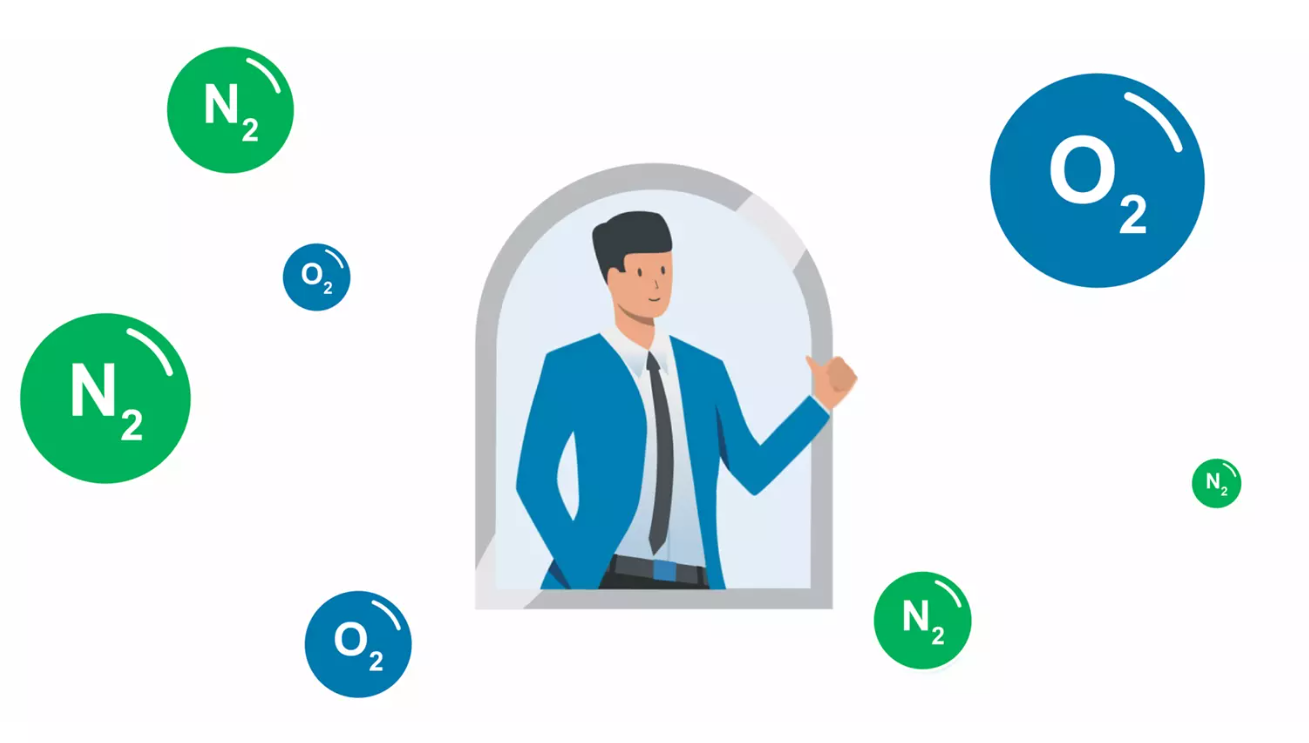
The many benefits of on site gas generation
Are you faced with the decision of whether to switch from purchasing bottled nitrogen or oxygen to on site gas generation? In that case, the decision is easy. You should! Lower costs, the right purity, less transportation emissions, improved safety, no logistics headaches. In all of these areas, on site gas generation is the superior solution. And making the switch is easy. All you need is a gas generator and a supply of compressed air. Read More…

Five Tips to Increase Compressor Installation Efficiency
Did you know that one of the largest costs for industrial manufacturers is compressed air? That’s right – anywhere from 12% to 40% of a facility’s total energy costs come from its compressed air installation. This means that finding innovative ways (no matter how small) to increase compressed air efficiency can amount to big savings over the long run! Items like leak elimination, air audits, reduced pressure bands, and reducing unloaded running hours are some of the most popular ways to decrease energy usage – but there are many other actions that you can take. Read on to discover additional ways to reduce your costs and make sure your compressor system is running as efficiently as possible! Read More…
.png)
How to Correctly Size Your Compressed Air Piping System
A properly sized and designed piping system is a necessary component of any distribution compressed air system. Without this key component in place, the delivery of air from the compressor to the specific points of use will be inefficient and costly, both in the short term as well as in the long term. Let’s look more closely at how to size your compressed air piping system to ensure minimal pressure loss while maintaining maximum efficiency. Read More…

Testing for Microorganisms in Compressed Air
Potential for growth of micro-organisms in a compressed air system is tied to the moisture level (dew point) of the compressed air. In simple terms, if there is moisture in your compressed air, microorganisms such as mold and bacteria have the environment they need to grow and thrive. While it’s true that as air is compressed, much of the moisture present in the intake air will condense, enough moisture remains to allow micro-organisms to proliferate. Read More…

The Key Benefits of Monitoring Your Compressor System
Your compressor installation is a workhorse that requires regular service and maintenance to help it achieve maximum efficiency and longevity. This is where compressor monitoring and data gathering technologies come in, as these provide meaningful information on your system that can be visualized, tracked over extended time periods, and used to make insightful decisions regarding compressor performance. Read More…
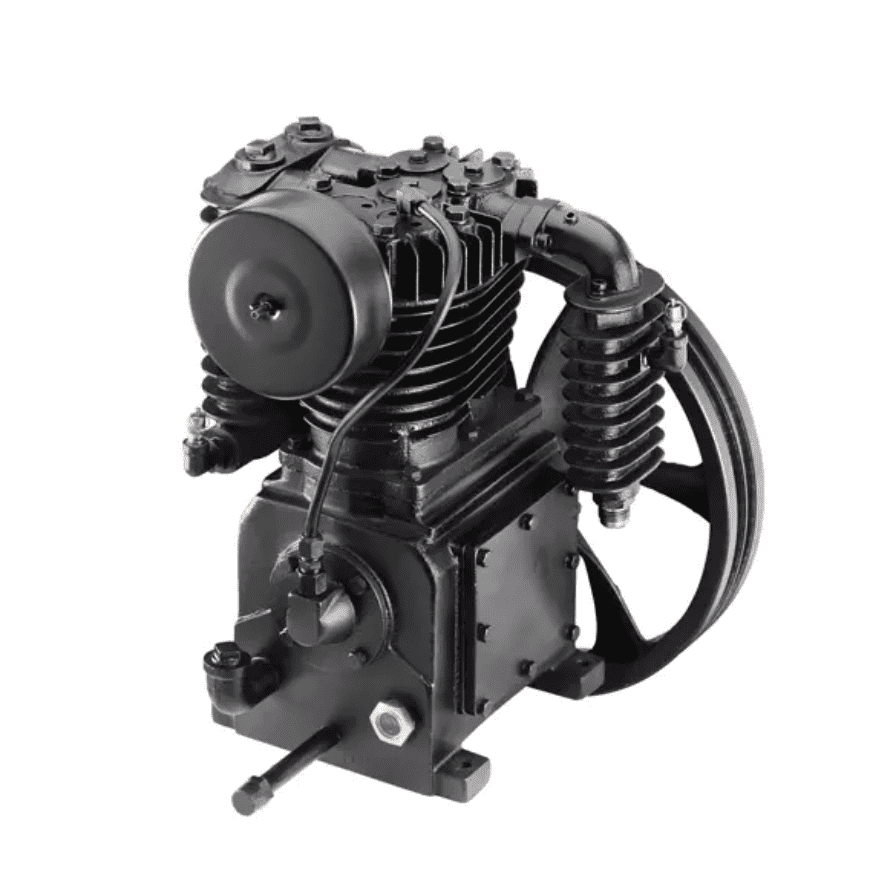
Aluminum versus cast iron – Which piston compressor material is best?
Some piston compressors use cast iron and others aluminum. But which is better? Here is a look at their differences and respective benefits. Read More…
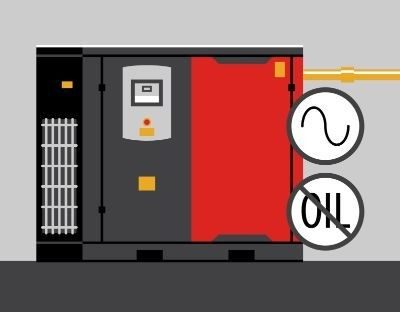
Why a Variable Speed Compressor?
A variable speed compressor is not for every application. VSD rotary screw compressors need to be ran in a location that is in need of 24/7 compressed air and has a changing demand on the amount of air needed. If your compressed air needs are constan... Read More…

Why Do I Need a Mist Eliminator?
Compressed air purification equipment must have a very low pressure drop, long service life and be strong enough to withstand the most strenuous operating conditions. Protection from oil slugs or compressor air/oil separator failure is essential. Read More…

What do I need to know about ICONS?
Intelligent Connectivity System (ICONS) is the eyes into your compressed air system. Ditch the logbooks, the regular visits to the compressor room and dealing with surprises with your compressor. • Most maintenance organizations operate between 10% to 40% efficiency • Most spend more than 50% of time on emergency work • Reactive maintenance costs 3-5 times more than preventive maintenance. Read More…

How Much Will Compressed Air Cost You?
Compressed air is used in many different industries. From refrigerator manufacturers to toy makers, companies around the world depend on compressed air to produce products. It's so important that many consider it a utility as significant as electricity, water or natural gas. Read More…
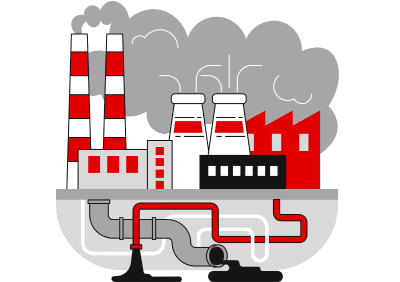
Why do you need to filter compressed air?
Compressed air is always contaminated. Contaminants include, • Liquid oil - oil aerosols - oil vapor, Dirt - microorganisms - pipescale, Trace gases: carbon monoxide, sulfur dioxide, nitrous oxide. Learn more about why you need to filter compressed air... Read More…
What is air compressor electric motor efficiency?
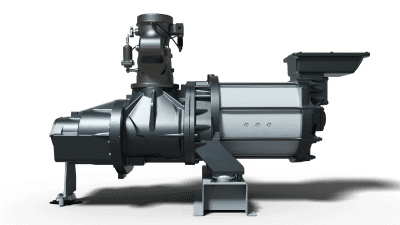
As part of a concerted effort worldwide to reduce energy consumption, CO2 emissions and the impact of industrial operations on the environment, regulatory authorities in many countries have introduced legislation to encourage the manufacture and use ... Read More…

Why is air treatment necessary?
Air is always contaminated with solid particles such as dust, sand, soot, salt crystals and water as it leaves the compressor. An effective compressed air treatment system lowers the dew point of the air and takes out the elements that may harm equipment downstream of the compressor and dryer Read More…
Why Do I Have Water in my Compressor Lines in the Winter When I Have a Dryer?
The ambient temperature in an air compressor’s environment can greatly affect your air compressor’s performance. All air compressors will
generate some amount of water, but depending on inlet air conditions some can produce large amounts of water.
Read More…
What to do with your old compressor?
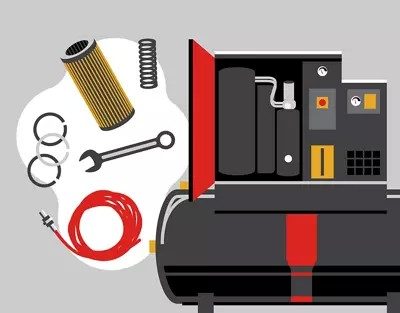
Just purchased a new compressor? Are you asking yourself, “Now what am I going to do with this old air compressor?” Read More…
.jpeg)
Which Parts are Checked and Replaced During Routine Maintenance on my Air Compressor?
Routine maintenance on your screw compressor or piston compressor is vital to ensuring your unit is performing to its full potential. There are simple checks and inspections you can do daily, weekly and monthly to keep your compressor running efficiently and to avoid downtime. Read More…

The Cost of Compressed Air: What are the Lifetime Costs of a Compressor?
Whether you use your air compressor for woodcarving, bottling or manufacturing consumables, compressed air plays a critical role in your business. It is undeniable that compressed air is a valuable source to your applications. Read More…
How much air pressure do I need for my application
There are many things to consider during the selection process of an air compressor for your business. Most important, determining the proper size of the compressor to match your operational needs. Read More…

What Causes the Dewpoint to Spike on your Air Compressor?
Dewpoint spikes immediately after desiccant switchover (line C) indicate that the desiccant was not sufficiently cooled before being brought on-line. Hot desiccant will not adsorb moisture well until it cools down, after which the dewpoint should dro... Read More…
.jpeg)
Why is there Oil in my Screw Compressor Air Tank?
Don’t be alarmed if you find oil in your air compressor tank. Actually, all rotary screw compressors pass trace amounts of oil in the compressed air. The question is how much is the normal amount of oil in my compressor tank? Read More…

I Have a Dryer, But I still Have Water in my Compressor during Winter. Why?
The ambient temperature in an air compressor’s environment can greatly affect your air compressors performance. All air compressors will generate some amount of water, but depending on inlet air conditions some can produce large amounts of water. Read More…
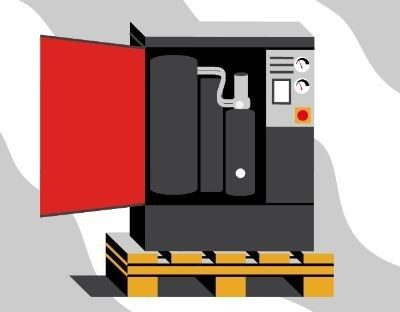
Can I Perform the Maintenance on my Air Compressor Myself?
Once you’ve invested in an air compressor your business or home you may ask yourself, “What happens if my compressor needs service? Needs a filter change? Oil change?" Read More…

Why is my air compressor filter full every week?
As you know, compressed air filters protect your machine from dirt, dust, oil and water. These contaminants are extremely common in the areas you would find a compressed air system and will wear down your machine if not properly filtered out. Read More…
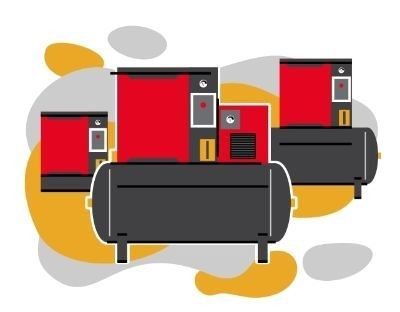
How do I Protect my Air Compressor From Leaks?
Air compressor leaks can be a substantial source of wasted energy in any system, sometimes wasting 20-30% of a compressor's production. Worst of all, a poorly maintained compressor can have a leak rate expected to equal 20% of total compressed air... Read More…
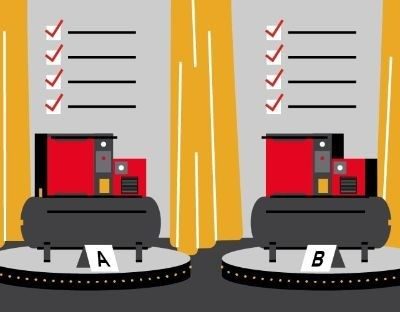
What Do I Need to Know When Buying an Air Compressor?
Choosing the right compressor is essential to your long-term satisfaction and maybe, to the profitability of your business. Many times compressors are based on a single factor alone, such as horsepower or tank size, which is only part of the story. Read More…

When should I buy an oil-free compressor?
In oil injected screw compressors, there is a thin layer of oil found between the rotors to create a seal and maintain proper efficiency as the compression occurs. The unfortunate side effect of this solution is that oil may carry over to the point of use in your air system. This can be mitigated by having correct filtration in place to remove the oil contaminants in your air. Additionally, many individuals may decide to opt for a completely oil-free solution, with the use of a scroll compressor or water injected screw compressor. Read More…
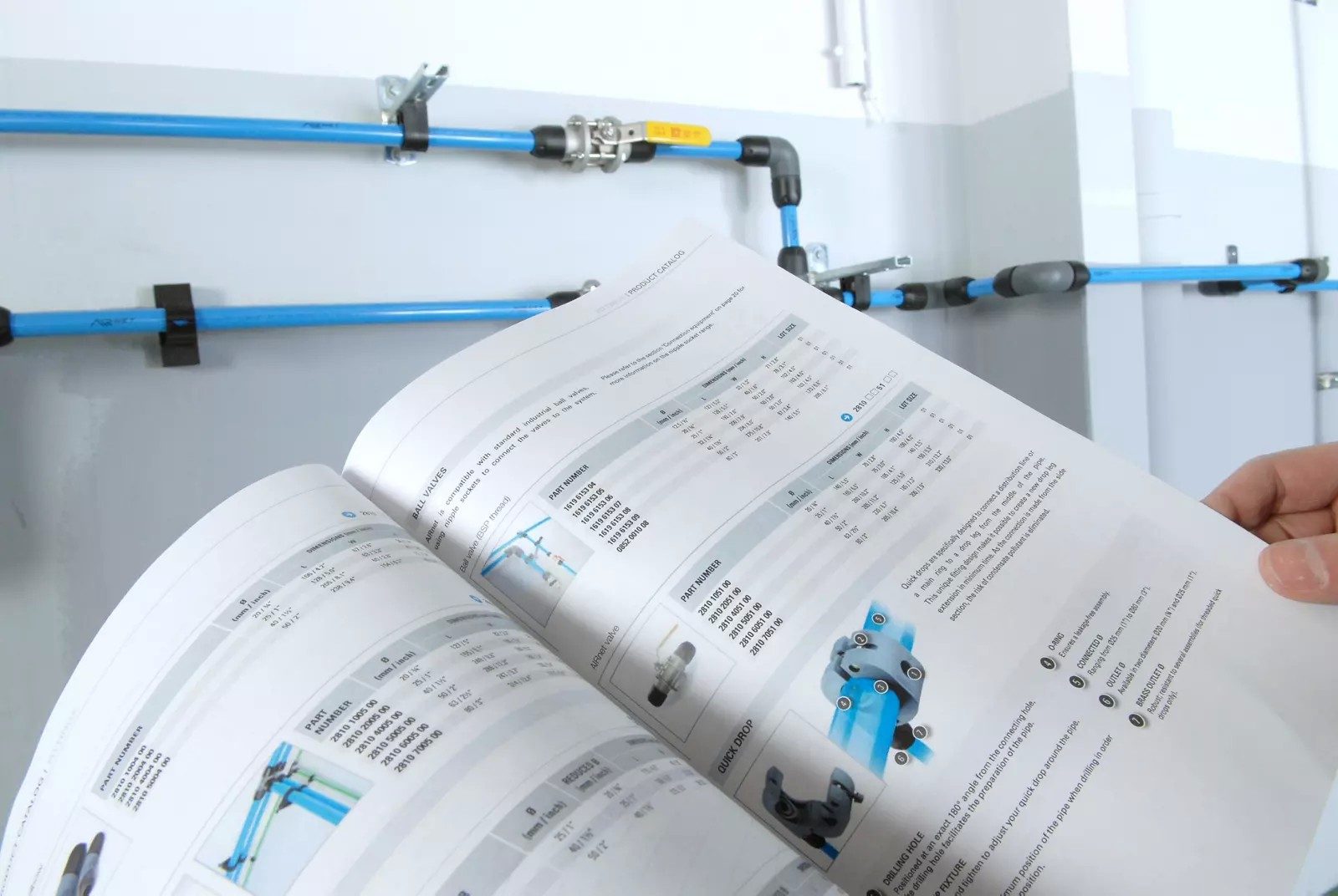
What do I need to look for in my piping solution?
Most businesses concentrate on the air compressor and consider the piping as a secondary concern. The piping system can make or break your business. Faulty, inefficient piping can cause pressure loss and lost power. Keeping a close eye on the overall layout, installations and maintenance of your air piping system will help keep your business running at its’ optimal efficiency. Read More…

Our #1 Focus is Customer Service! Whether you have questions about which compressor is right for you, or if you’re ready to improve your operations and start saving on expenses. Ash Air has been around for over 40 years because we offer reliable and hardworking air compressors, vacuum pumps, and services as well as expert advice and support. Read More…

How to know when to fix your compressor vs. get a new one?
If your daily business operations depend heavily on having compressed air, this question is extremely important. Should you repair your broken compressor or get a new one? Read More…
Why is an oil analysis important?
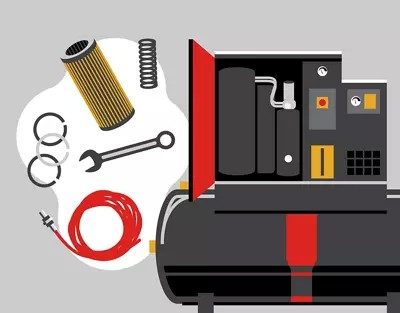
An oil analysis can prevent problems later down the road. It's often been referred to as the blood test for your compressor. Just like a blood test can tell you about your health and early alerts to impending problems, an analysis can do the same for your compressor. Read More…

How Can Pressure Drops Cost You Money
Did you know that pressure drops and leaks are the two largest areas of energy loss on your air compressors? It’s easy to understand why a
leaking pipe or fitting creates energy loss. Pressure drops are not quite as noticeable, since you cannot hear ...
Read More…

Why Is My Compressor Room Getting so Hot?
Air compressors must have adequate ventilation because, when running, they produce a fair amount of heat.
Read More…
What are some Troubleshooting tips for my dryer?
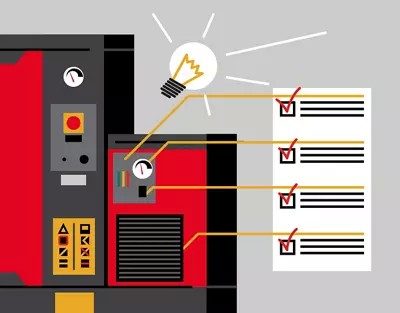
Whenever anything doesn't work properly, it's frustrating and we get it. If this is your first time experiencing troubles with your dryer, you're probably unsure where to even start. Getting your dryer repaired and back up and working is critical to ... Read More…
Screw Compressor Energy Saving Tips
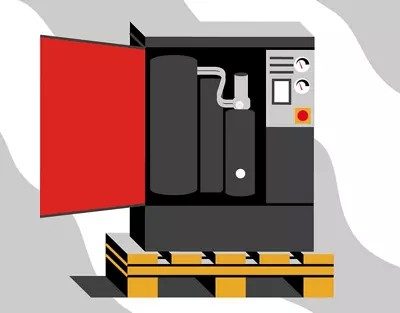
Screw compressors are helpful for an enormous range of applications such as air filling, packaging, tools, HVAC control, and more! One possible drawback is the amount of electricity they use; air compressors can be a huge drain on energy if used ine... Read More…
Can My Air Compressor Be Outside?
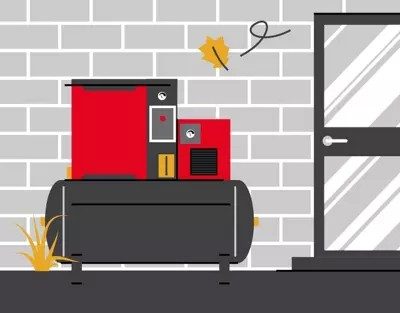
Considering installing your air compressor outside? Think again. The temptation to save space may sound enticing, but in the long haul is will cost you. Read More…
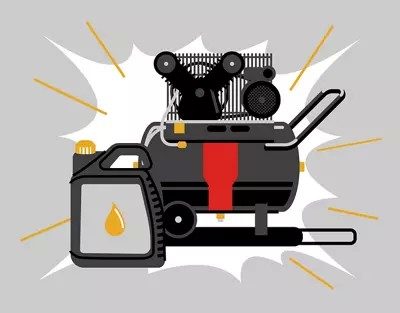
How Much Oil Does My Air Compressor Need?
Most air compressors require constant oil lubrication to prevent friction on the pistons or screws and other moving parts. To make sure your
air compressor is running efficiently, it is important to check your oil level regularly and to know how much...
Read More…

What does a total Air Solution mean?
Have you heard of the term "Total Air Solutions"? A total air solution means everything that goes with the compressor for your business’s air system. 90% of companies require more than just an air compressor. Read More…
When speaking of air compressors, compressed air treatment is a process that dehumidifies and cleans air before entering the compressor. Most commonly, this process involves air filters and an air dryer. Read More…


© 2026 Ash Air • Website design by Fuel