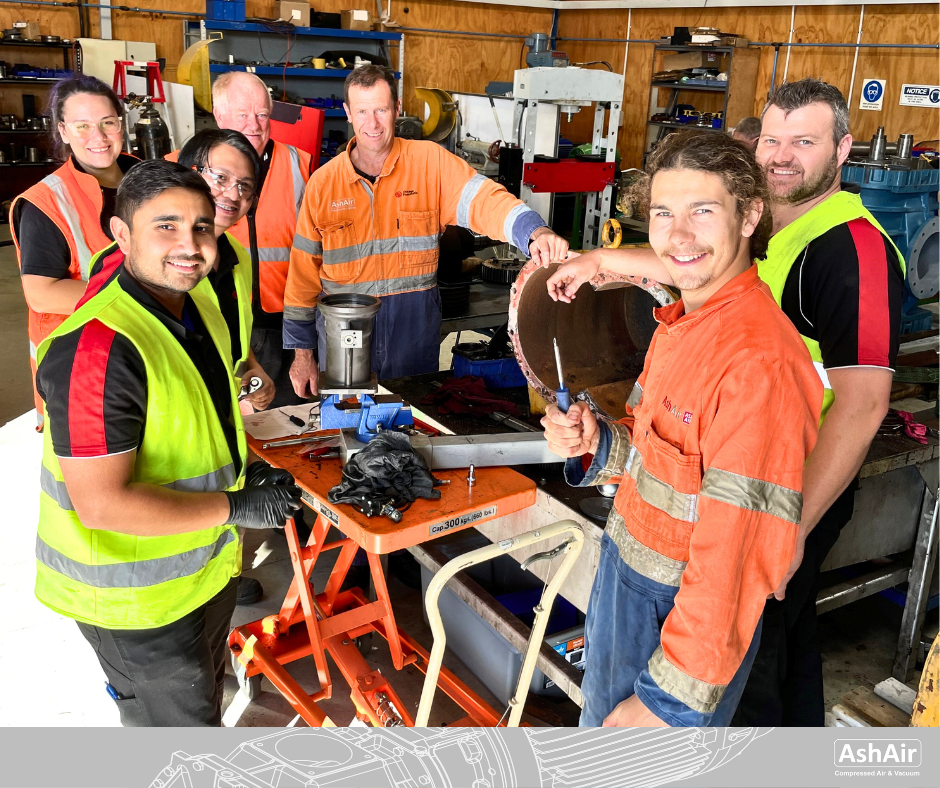
In our connected and changing world it’s essential to keep learning and upskilling ourselves. We have a culture that actively promotes continuous learning, for the good of everyone's professional and personal development. Read More…
For most industrial facilities, compressed air is an indispensable utility that powers production equipment, automation systems, pneumatic tools and packaging lines. While essential, it is also one of the most expensive utilities to generate. Unlike electricity or water, compressed air is created on-site, meaning businesses are responsible for both the capital investment and the ongoing operating costs of their compressed air systems. Of these costs, energy typically accounts for 70–80% of the total lifecycle cost of an air compressor, making energy efficiency one of the most significant opportunities for cost savings. Many organisations invest in high-efficiency compressors but overlook an equally important factor, how efficiently the system is operating day to day. Even a modern compressor can consume excessive energy if it is operating outside its optimal conditions. Remote monitoring changes this by providing continuous visibility into compressor performance, allowing maintenance and operations teams to identify inefficiencies, optimise system performance and make informed decisions based on real operating data rather than assumptions.

Compressed air is often called the most expensive utility in a manufacturing facility because every stage of producing compressed air
requires energy.
Electricity is consumed to:
Overcome pressure losses throughout the distribution network Every unnecessary operating hour, pressure increase or air leak directly increases electricity consumption. Without continuous monitoring, many of these inefficiencies remain hidden for months or even years.
Understanding where energy is consumed is the first step toward reducing costs. Typical energy losses include:
Source of Energy |
Typical Impact |
| Air leaks | 20-30% of compressed air production can be lost through leaks |
| Excessive operating pressure |
Approximately 7-8% increase in power consumption for every additional 1 bar of pressure |
| Compressor unloaded running | Compressors may consume 20-40% of full-load power while producing no useful air |
| Airty filters and coolers |
Increased pressure drop forces the compressor to work harder |
| Poor compressor sequencing | Multiple compressors operating inefficiently increase energy demand |
| Inappropriate comrpessor sizing |
Oversized compressors spend more time unloaded, wasting electricity |
These losses often develop gradually and are difficult to identify through routine inspections alone.
Compressors consume a significant amount of electricity even when they are running unloaded. A high percentage of unloaded running may indicate:
With Ash Air ICONS, maintenance teams can monitor load and unload cycles, identify inefficient operating patterns and optimise compressor utilisation to reduce unnecessary power consumption.
Pressure Operating at a higher pressure than required increases energy consumption and places additional strain on equipment. Pressure fluctuations may also indicate leaks, restrictions or control issues within the compressed air system. By continuously monitoring pressure trends, ICONS helps identify opportunities to optimise pressure settings while maintaining reliable production.
Air leaks are one of the largest sources of energy loss in compressed air systems. While ICONS does not locate individual leaks, it helps identify symptoms of excessive air loss, including: Increased compressor running hours Higher base-load demand outside production hours More frequent load cycles
These insights help maintenance teams prioritise leak detection and repair activities before energy losses become significant.
Poorly maintained compressors require more energy to produce the same amount of compressed air. Blocked filters, worn components and reduced cooling efficiency all increase power consumption. ICONS continuously monitors equipment performance, service intervals and alarm history, enabling maintenance to be scheduled before efficiency declines or unexpected failures occur.
Historical performance data allows maintenance teams to understand how the compressed air system operates over time. By analysing trends in operating hours, pressure, temperature and equipment utilisation, businesses can:
Continuous monitoring transforms operational data into practical insights that improve both reliability and efficiency.
Ash Air ICONS provides secure, cloud-based remote monitoring that helps businesses optimise compressed air performance through: Real-time equipment monitoring Automatic alerts and notifications Historical performance analysis Multi-site visibility Service interval tracking Data-driven maintenance planning Whether managing a single compressor or multiple sites, ICONS provides the information needed to improve reliability while reducing operating costs.

Reducing compressed air energy costs requires more than efficient equipment, it requires continuous visibility into how your system performs. With Ash Air ICONS, you can identify inefficiencies early, optimise maintenance and make smarter operational decisions that improve reliability and lower energy consumption.
Contact Ash Air today to learn how ICONS can help optimise your compressed air system.
In our connected and changing world it’s essential to keep learning and upskilling ourselves. We have a culture that actively promotes continuous learning, for the good of everyone's professional and personal development. Read More…

The health and well-being of our people are vital to us, which is why we set very ambitious standards for workplace safety. We promote a healthy and active lifestyle and encourage a healthy work-life balance. Coming into winter, its more important than ever to make sure our team are feeling well! Read More…

An integrated approach to sustainability with Ash Air
At Ash Air, we are committed to being part of the solution for a better tomorrow with our compressed air solutions. An integrated sustainability strategy, backed by ambitious goals, helps us deliver greater value to all stakeholders in a way that is economically,
environmentally, and socially responsible. Learn more about our sustainability framework!
Read More…
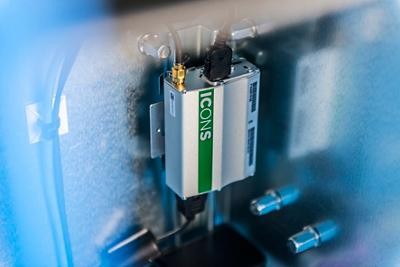
Stay Connected with your Air Compressor Remotely With ICONS
Did you know that conducting an air compressor health check has become even easier? Getting easy and affordable access to your compressor status information at your fingertips with our Intelligent CONnectivity System (ICONS Read More…

Is your Compressed Air Piping leak free?
Compressed air system leaks are indeed a big source of energy waste. Leakage in piping systems have been shown to exhibit leaks of up to 25 percent of the total energy costs. Addressing leaks is one of the first maintenance steps a facility can take to reduce energy costs. Read More…
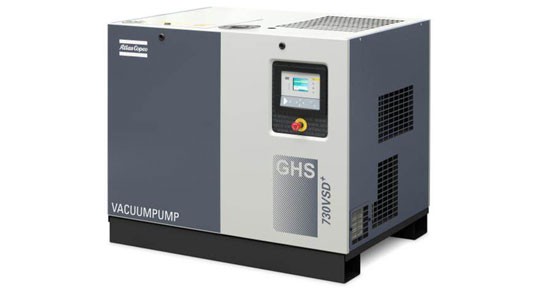
What to know about Atlas Copco’s Vacuum Solutions Range
Ash Air is proud to introduce Atlas Copco’s Vacuum Solutions in New Zealand. Here are five things to know about Atlas Copco Vacuum Solutions! Read More…
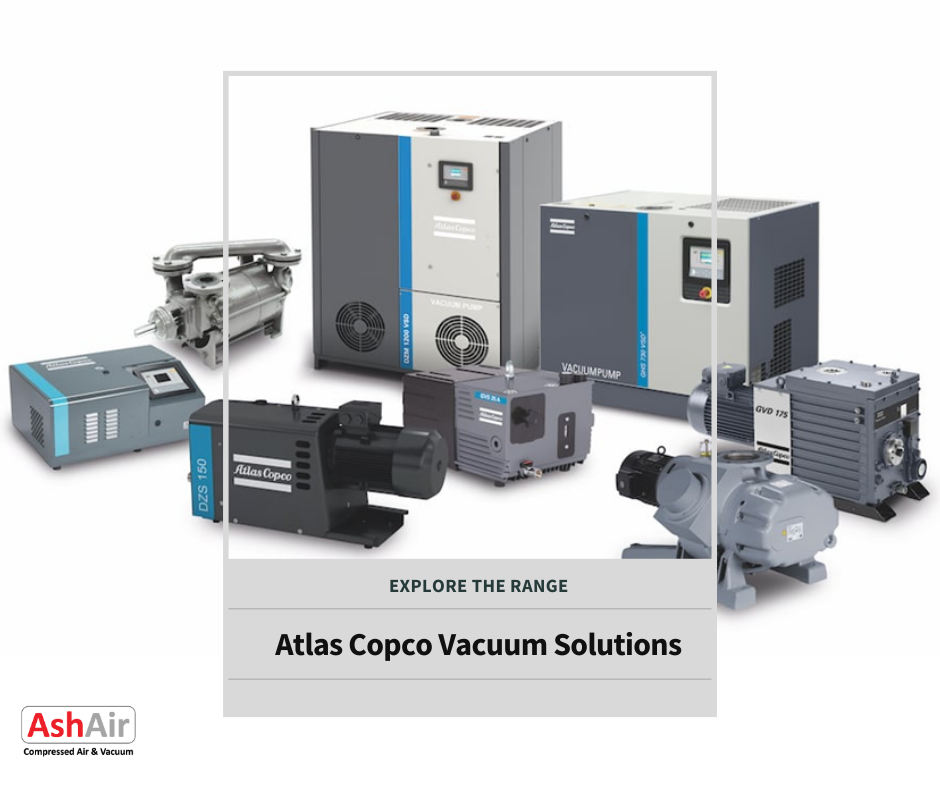
Product range announcement - Atlas Copco Vacuum Solutions
Ash Air are pleased to announce our offering of Atlas Copco range of vacuum solutions and products for all industrial applications. This portfolio of intelligent and connected vacuum pumps serve a broad range of industrial applications. The Atlas Copco vacuum pump ranges from the intelligent and energy saving Variable Speed Drive Series of oil-sealed, dry and liquid ring pumps to the traditionally reliable vane and claw pumps. Whether you need a dedicated point-of-use pump, a clean Class 0 certified pump or a centralized vacuum system, we have a vacuum solution for every industrial application. Read More…

Celebrating A Culture of Safety at Ash Air
Safety, Health, and Wellbeing Day is a day that reminds us to prioritize safety and health not only in the workplace, but also for our customers. It’s day for us to reflect on our commitment to maintaining a safe and healthy work environment for everyone... Read more about how Ash Air implements safety in the workplace here. Read More…
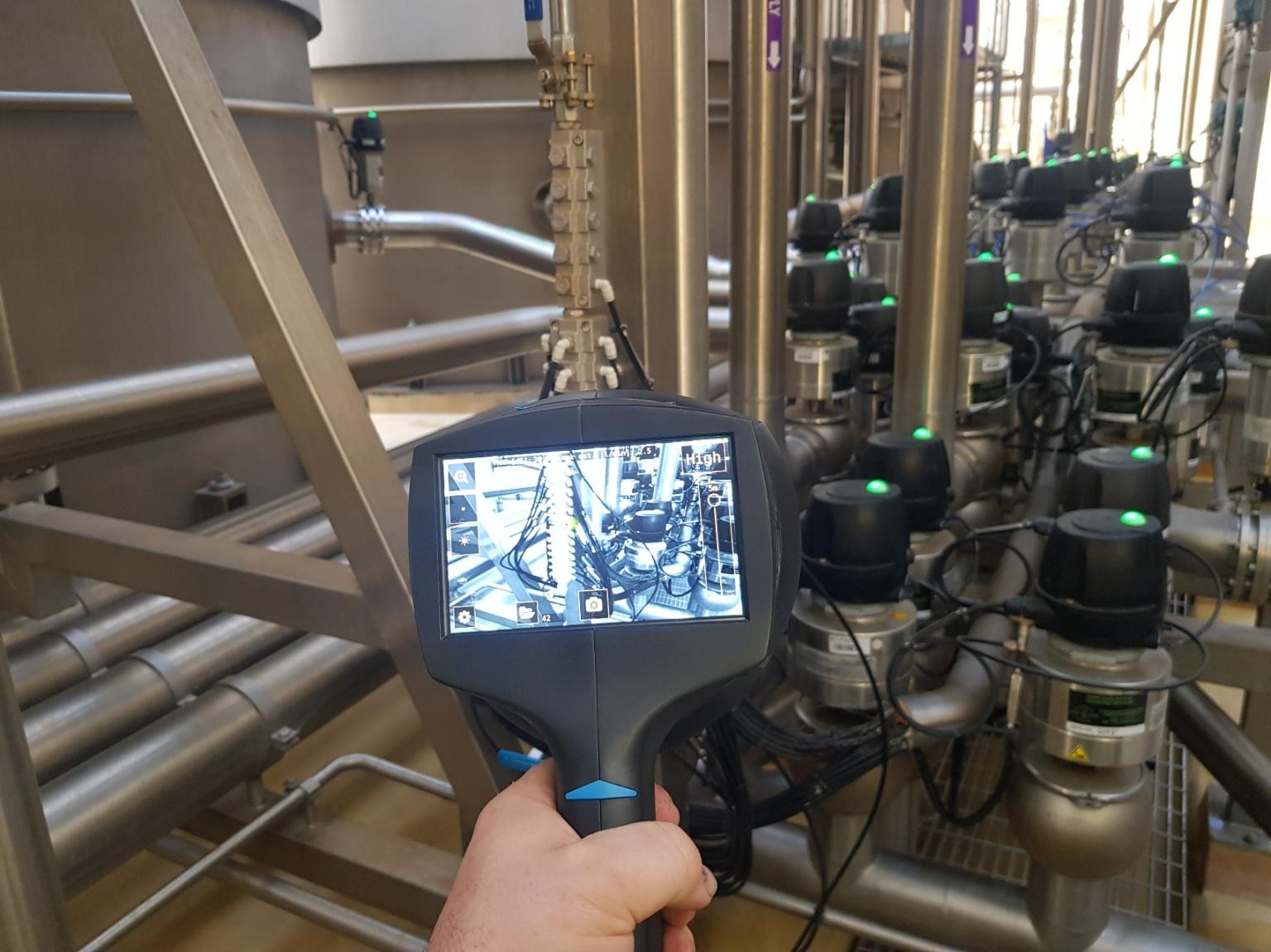
Why is leak detection important for your vacuum system?
If you have a vacuum system, you need a helium leak detector. You spend a lot of money on vacuum pumps, piping, hardware, and gauges, but if you have a leak, your system ends up not working effectively and you're throwing away money. Leak detection is an important step that you should not skip during your vacuum system application. Read More…
Efficiency of Compressed Air Distribution and Piping
Think about efficiency for a minute. Every year with constant innovation, things are becoming even more efficient. Everything from electronics to industrial machinery are being developed to get more done faster while using less power. Read More…

Luck of the Irish and Compressed Air Give Us Beer
With the Luck of the Irish and a little help from air compressors we will all be enjoying a pint of our favorite beer this St. Patrick’s Day! Read More…

What is compressed air humidity?
The air surrounding us is a mixture of fry air and water vapor. The amount of water in the air depends on the temperature and volume of the gas. The higher the air temperature, the higher the air's ability to absorb more moisture. Find out about compressed air humidity here. Read More…

The Dangers of a Load Too Small for a Diesel Power Generator
The generator starts up, and not long after, white smoke and oil are seen coming out of the exhaust. It is new, and tested, good quality diesel... I wonder what happened? Read More…

7 important gas generation energy saving tips
Investing in an on-site industrial gas generator is a great way to reduce your environmental footprint and your operating costs. Once you have taken this important step, there are some other things you can do to maximize your gas generation energy savings. Here are seven of them. Read More…

The importance of saving energy when compressing air
For many businesses, preserving energy and becoming more sustainable have become top priorities. That not only saves them money but also makes them more competitive in the future, when demand for “green” products and services will only increase. Not just because governments mandate greater sustainability but also because customers expect it. Read More…

In celebration of International Women's Day 2023!
Here at Ash Air, we are proud to be opportunity employer. Infact, we have 30% female representation across the entire company. For a male dominated industry, we're very proud of this. Ash Air has representation in our National Warehouse, Branches and Head Office locations with administrators, accounts, schedulers, sales and service engineers, and managers roles throughout the country. Read More…
.png)
International Women's Day inspired story - Robyn Curtis, Sales Engineer for Ash Air
It is International Women’s Day on the Wednesday 8th 2023 and here at Ash Air we enjoy celebrating the successes women have made across all aspects of society. Here we chat to Robyn, an amazing team member and Sales Engineer for our Palmerston North region in New Zealand. Read More…
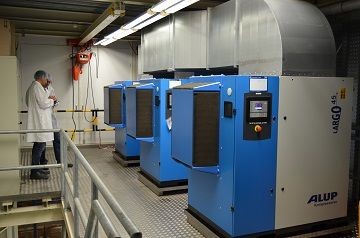
Compressed Air in everyday Life
While you relax and read this, do you see an electronic appliance around you? Wondering how could you relate to the current read? We got you! Compressed air is all around, in the electronic appliances you use right now. Read More…
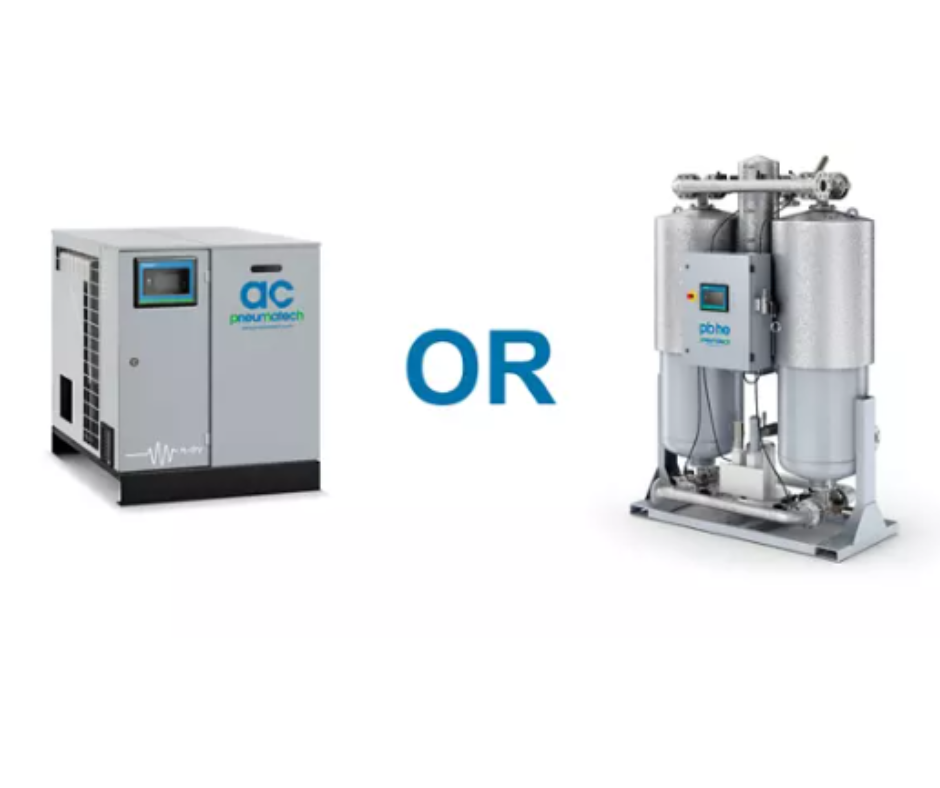
Selecting the right compressed air dryer
How do you know which type of compressed air dryer will best meet your needs? These insights will help you make the right decision. Read More…

How nitrogen makes plant based meat better
How is plant based meat made? And how does nitrogen make it taste better? Read More…
Why are compressed air dryers so important?
There are many contaminants that can threaten your compressed air system, but moisture is among the most prevalent. You may be thinking, but it’s just water, but water can have a devastating impact on your compressed air system, your production equipment, and your end product. The best way to prevent moisture from contaminating your compressed air is with a dryer. Read More…
.jpeg)
How to Make Your Air Compressor More Efficient
Compressed air can be one of the most expensive forms of energy for manufacturing plants, often using more energy than other equipment. One horsepower of compressed air requires eight horsepower of electricity. With many air compressors running at efficiencies as low as 10%, there’s often plenty of room for improvement. Fortunately, 50% of compressed air systems at small- to medium-sized industrial facilities have opportunities for low-cost energy conservation. Read More…

Choosing the Right Vacuum Pump for You
As easy as it would make all of our lives, vacuum pumps are far from being “one size fits all”. Not only do you have the size to consider when choosing a vacuum pump, but more importantly type. I will briefly touch on some of the advantages and disadvantages associated with each vacuum technology we deal with. This should give you a better understanding of where to begin your search... Read More…
.png)
The first centralised Quincy Vacuum System in New Zealand
For the last few years, Ash Air has been actively promoting Quincy centralised vacuum systems in New Zealand. New Zealand is a market where refurbishment and remanufacturing have become first choice before replacing... Read More…

Ash Air achieving Health & Safety Excellence
Ash Air is proud to share that we have achieved the SiteWise Gold Certificate award.
This means that we have demonstrated that we have high quality health and safety systems in place. Well done to our team and dedicated SHEQ
Manager on their commitment to Health and Safety.
Read More…

The keys to generating food grade nitrogen
A nitrogen generator, combined with an air compressor and the necessary air treatment products, can provide you with a steady supply of food grade nitrogen. Read More…
.jpeg)
What is a piping quick-drop for?
AIRnet offers moisture-eliminating drop fittings called Quick Drops! Quick Drops make “drop-tees” obsolete, removing the need for extra parts and pipe, while saving time and money. Read More…
.jpeg)
What Does Commissioning your Air Compressor Mean?
Proper compressor installation and commissioning helps ensure trouble-free startup and long-term reliability. Thorough inspection and critical review during each phase of the installation process eliminates “built-in” deficiencies or problems which c... Read More…
.png)
How to overcome 3 common challenges associated with working with stainless steel
Stainless steel has long been crucial for many applications where strength, durability, and resistance to corrosion are essential. That is why it is often chosen for process equipment used in harsh environments such as chemical and petrochemical plants, refineries, and power stations. Read More…
.png)
How to put a price on productivity?
Price is an important consideration when choosing a tool for metalworking applications, but it alone should not be the deciding factor. Other things also contribute to the total cost of ownership, performance, and, ultimately, the overall productivit... Read More…
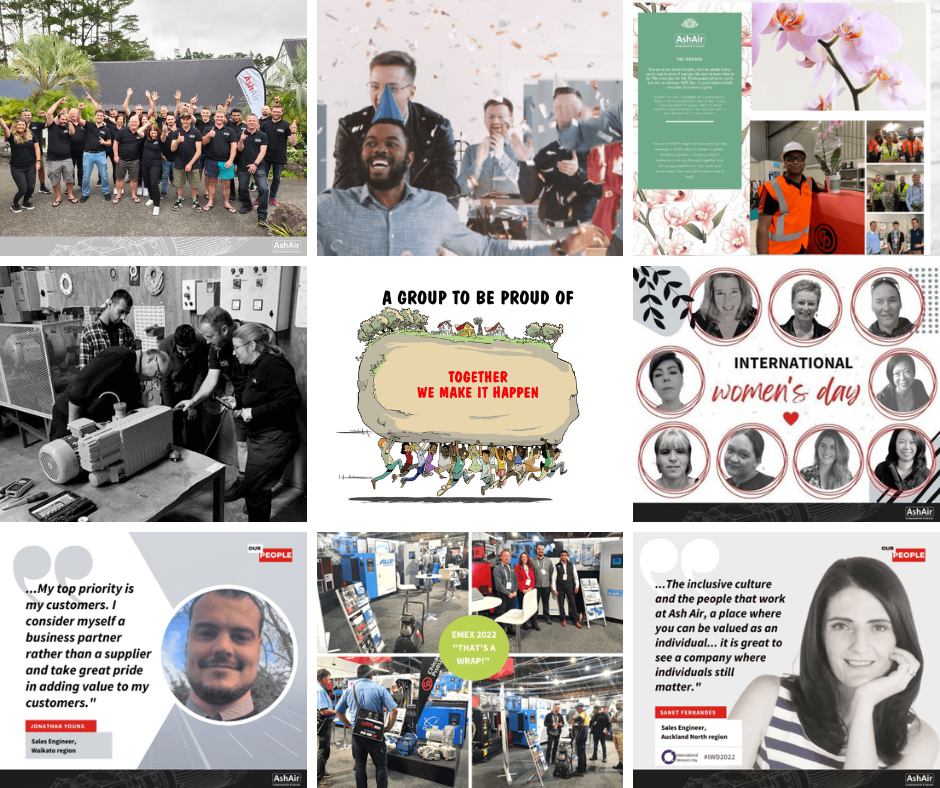
2022 highlight reel! Bring on 2023
And just like that, 2022 is coming to a close. And what a year it has been! We would like to take the opportunity to thank you for your ongoing support throughout 2022. We look forward to continuing to supply you with our industry-leading products and trusted services now and in the future. Wishing you and your team a safe and happy holiday season. Read More…
.jpeg)
PSI? CFM? Horsepower? Choosing the Right Compressor
Horsepower? PSI? CFM? There is a lot to consider when purchasing a new air compressor. It is important to understand what you actually need and how to find out. Read More…

Did you say "Christmas Dinner"? What's Compressed Air, Gas, and Vacuum got to do with it?
Yay! It's Christmas! But before the turkey gets carved and a heaping spoonful of Christmas pudding gets dropped on your plate, you might get asked what you’re thankful for. Well, maybe this year you could say you’re thankful for the compressed air, gas and vacuum solutions that made everything on the table possible. Let’s look at how! Read More…
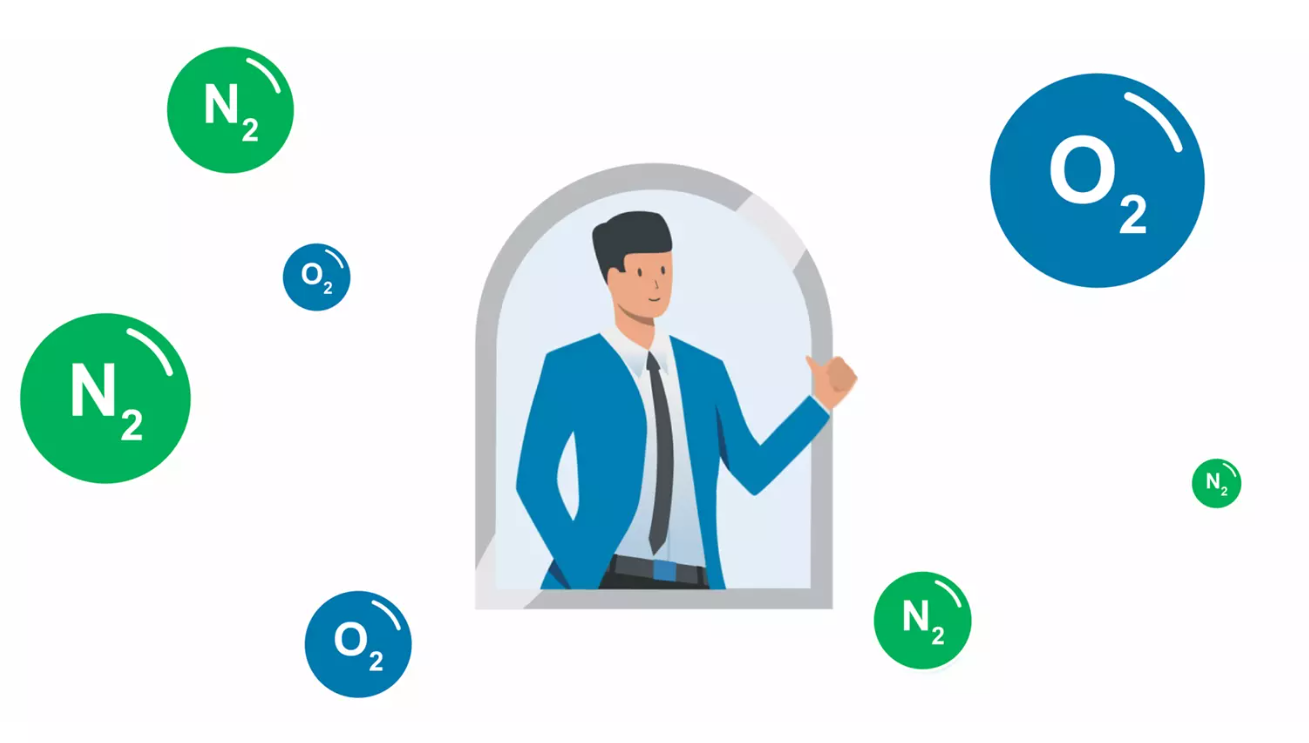
The many benefits of on site gas generation
Are you faced with the decision of whether to switch from purchasing bottled nitrogen or oxygen to on site gas generation? In that case, the decision is easy. You should! Lower costs, the right purity, less transportation emissions, improved safety, no logistics headaches. In all of these areas, on site gas generation is the superior solution. And making the switch is easy. All you need is a gas generator and a supply of compressed air. Read More…
.png)
Ash Air coming together for Pakistan Floods
#AshAirTeam coming together for recent Pakistan Floods that occured. We'd like to show our appreciation and give thanks to our team for coming together in recognition and support in regards to flooding in Pakistan. Read More…
.png)
Ash Air Sales Conference in 2022
This week on 15th - 17th November, we held the Ash Air Sales event. It was a fantastic opportunity for our sales team to come together, collaborate and take away new learnings and best practices. Read More…

Five Tips to Increase Compressor Installation Efficiency
Did you know that one of the largest costs for industrial manufacturers is compressed air? That’s right – anywhere from 12% to 40% of a facility’s total energy costs come from its compressed air installation. This means that finding innovative ways (no matter how small) to increase compressed air efficiency can amount to big savings over the long run! Items like leak elimination, air audits, reduced pressure bands, and reducing unloaded running hours are some of the most popular ways to decrease energy usage – but there are many other actions that you can take. Read on to discover additional ways to reduce your costs and make sure your compressor system is running as efficiently as possible! Read More…
.png)
How to Correctly Size Your Compressed Air Piping System
A properly sized and designed piping system is a necessary component of any distribution compressed air system. Without this key component in place, the delivery of air from the compressor to the specific points of use will be inefficient and costly, both in the short term as well as in the long term. Let’s look more closely at how to size your compressed air piping system to ensure minimal pressure loss while maintaining maximum efficiency. Read More…

Testing for Microorganisms in Compressed Air
Potential for growth of micro-organisms in a compressed air system is tied to the moisture level (dew point) of the compressed air. In simple terms, if there is moisture in your compressed air, microorganisms such as mold and bacteria have the environment they need to grow and thrive. While it’s true that as air is compressed, much of the moisture present in the intake air will condense, enough moisture remains to allow micro-organisms to proliferate. Read More…

The Key Benefits of Monitoring Your Compressor System
Your compressor installation is a workhorse that requires regular service and maintenance to help it achieve maximum efficiency and longevity. This is where compressor monitoring and data gathering technologies come in, as these provide meaningful information on your system that can be visualized, tracked over extended time periods, and used to make insightful decisions regarding compressor performance. Read More…
.png)
As a provider of market-leading, industrial compressors across New Zealand, we recognised the need to have a software system that eliminated time-consuming paperwork, provided clear oversight and helped our staff become more time-efficient. As well as being environmentally and climate conscious! Read More…
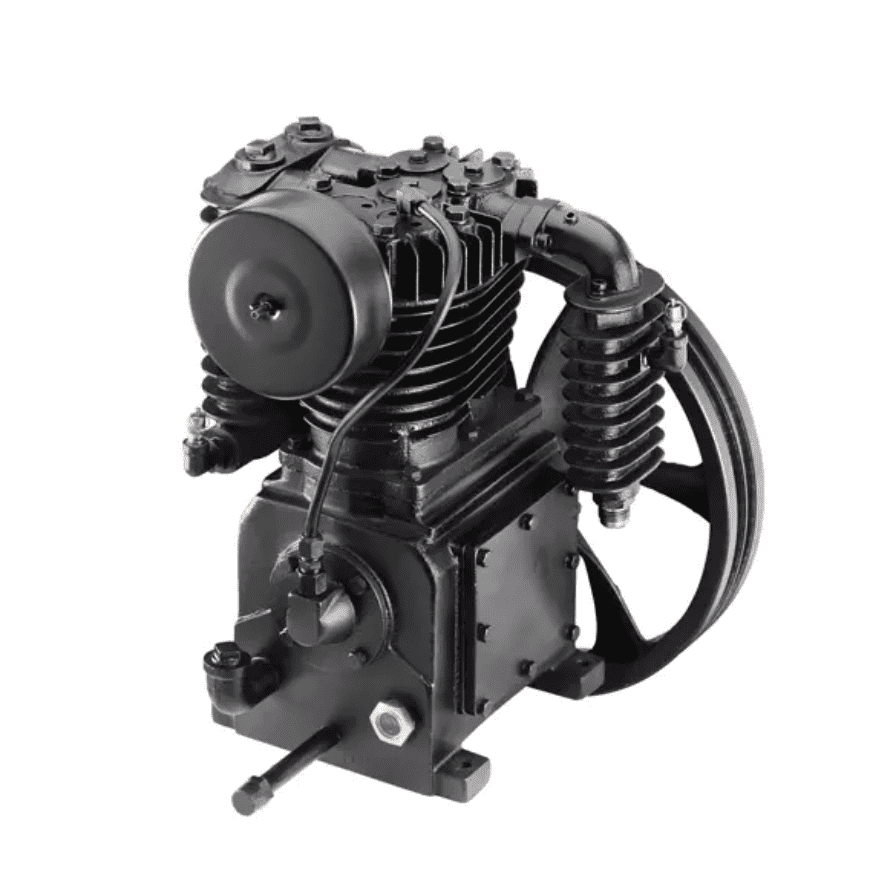
Aluminum versus cast iron – Which piston compressor material is best?
Some piston compressors use cast iron and others aluminum. But which is better? Here is a look at their differences and respective benefits. Read More…

We believe that diversity and inclusion are business-critical drivers for our long-term success. Here we chat to one of our diversity ambassadors, Natalie, and what a work week looks like for her. Read More…
.jpg)
What do our customers say about us?
Here at Ash Air, we are passionate about understanding our customers and we have helped them save costs on their compressed air and vacuum systems.Today Ash Air is trusted by more than 5,500 businesses, large and small, all over New Zealand.Learn what our customers have to say about us in this article. Read More…
.png)
Always learning at Ash Air - competence training and more!
In our connected and changing world it’s essential to keep learning and upskilling ourselves. We have a culture that actively promotes continuous learning. Here at Ash Air, we focus on face to face hands-on trainings with our services engineers, and national sales conferences that bring our team from all corners of the country together to support their continuous competence development. Read More…
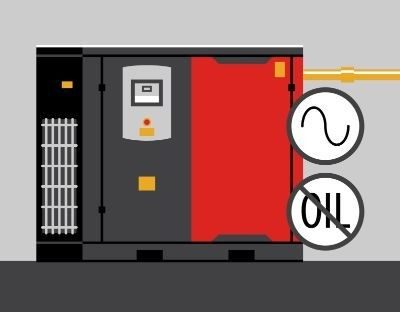
Why a Variable Speed Compressor?
A variable speed compressor is not for every application. VSD rotary screw compressors need to be ran in a location that is in need of 24/7 compressed air and has a changing demand on the amount of air needed. If your compressed air needs are constan... Read More…

Why Do I Need a Mist Eliminator?
Compressed air purification equipment must have a very low pressure drop, long service life and be strong enough to withstand the most strenuous operating conditions. Protection from oil slugs or compressor air/oil separator failure is essential. Read More…
-(1).png)
Congratulations to Erikk, @ EMEX winner!
Congratulations to the new owner of a #chicagopneumatic 2.5HP #aircompressor, from South Auckland. Erikk from Ultra Laser Cutting was thrilled to have walked away with a brand new compressor for his workshop after visiting us at the EMEX 2022 trade show and scanning his details with our team for more information. Read More…

What do I need to know about ICONS?
Intelligent Connectivity System (ICONS) is the eyes into your compressed air system. Ditch the logbooks, the regular visits to the compressor room and dealing with surprises with your compressor. • Most maintenance organizations operate between 10% to 40% efficiency • Most spend more than 50% of time on emergency work • Reactive maintenance costs 3-5 times more than preventive maintenance. Read More…

How Much Will Compressed Air Cost You?
Compressed air is used in many different industries. From refrigerator manufacturers to toy makers, companies around the world depend on compressed air to produce products. It's so important that many consider it a utility as significant as electricity, water or natural gas. Read More…


© 2026 Ash Air • Website design by Fuel