OUR COMPRESSOR SERVICES

Leak Detection & Energy Audits

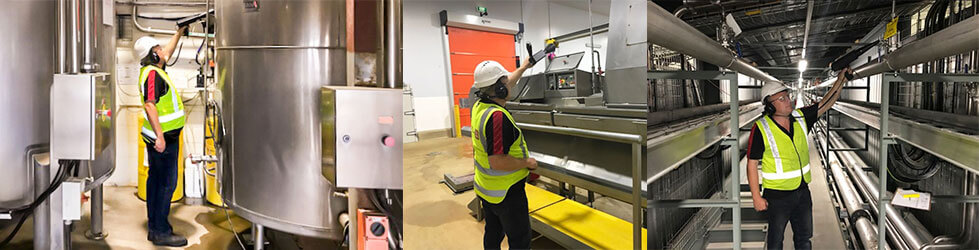
With our advanced tools for leak detection and data-logging, Ash Air can detect leaks and analyse your energy consumption. We will provide you with a comprehensive and easy-to-understand report and recommend the right solution for your system and save you money.


BOOK YOUR COMPRESSOR SERVICE ONLINE HERE BOOK YOUR COMPRESSOR SERVICE ONLINE HERE

Why Fixed Compressed Air Leaks?


Why Start With Leaks?

Ash Air service technicians actively look for energy saving opportunities and we are keen to pass any significant energy savings onto our customers.

A comprehensive leak detection survey on your compressed air system is one way that we can do this for our customers. A survey can be carried out with minimal disruption to your production schedule and we are happy to work in with you to establish the best possible schedule to achieve this.

Typically the survey can be carried out during the normal operation of your plant / facility or we can arrange to carry out the survey during a scheduled shutdown, weekend or overnight shuts.


Leaks are one of the primary forms of wasted energy in an industrial compressed air system.
Typically wasting 20 to 30 percent of a compressor’s output, sometimes as much as 50%.
Periodic leak detection and repair will reduce system leaks to a more acceptable industry best practice rate of less than 10 percent of compressor output.


In addition to being a source of wasted energy, leaks can also contribute to other operating losses.
Leaks cause a drop in system pressure, which can make air operated devices function less efficiently, this can adversely affect productivity and profitability.


As a result, equipment can be forced to run longer.
Leaks shorten the life of almost all Compressed Air system equipment (including the compressor package itself).
Increased running hours will lead to additional maintenance requirements and potentially unscheduled and avoidable downtime.


   Solutions

Since air leaks are generally impossible to see, other methods must be used to locate them. The best way to detect leaks is to use an ultrasonic acoustic detector, which can recognize the high-frequency hissing sounds associated with air leaks. This portable instrument consists of directional microphones, amplifiers and audio filters. They usually have either visual indicators and/or earphones to detect leaks.
By means of scanning around a test area, it is possible to very quickly latch onto a leak and pin point its location. For this reason, ultrasonic leak detection is not only fast, but also very accurate in the hands of a trained Technician.
However, No leak survey has ever saved anyone any money! The only way to save money is to Repair the leaks identified!
A follow up survey should be undertaken to ensure all repairs have been completed correctly.
Ash Air Ultrasound leak detection covers a wide range of leaks: pressure or vacuum and any common industrial gases.
Ultrasound instruments detect the turbulent flow produced as the fluid (liquid or gas) moves from the high-pressure side to the low-pressure side of a leak. As it passes through the leak site, a turbulent flow is generated. This turbulence has strong ultrasonic components which are heard through headphones and seen as intensity increments or decibels on the instrument’s display panel. It can be generally taken that the larger the leak, the greater the ultrasound level.
For this reason ultrasound leak detection is used in many facilities for safety, environmental, energy and/or quality assurance requirements.


Energy Audits

The benefits of a Compressed Air Audit, are the potential reductions in the operating costs for the end user; this in turn will improve the productivity of the manufacturing process. Ash Air can tailor a compressed air audit to suit your needs. If a walk through audit is sufficient one of our team of trained staff can carry this out, and feed this information back to you in a professional report with actions and recommendations.

We can also offer full in depth audits; with a comprehensive data logging of your compressed air equipment on site. As a result of this, we can propose recommendations to enhance the operation of your equipment on site. Energy represents the largest cost associated with operating an industrial compressor and therefore represents the largest opportunity for savings. One way AshAir can help to calculate your energy consumption is through the use of a data loggers. During off load running, fixed speed compressors deliver no air but can still consume between 20-40% of full load power.

At Ash Air we know it's important to understand a users air demand so that the best solution can be identified in order to save energy losses. Data Loggers can be connected to the incoming electricity supply which records a reading of the incoming Amps every 90 seconds over a seven day period. This data is then downloaded from the data logger into a software package. Graphs and reports can be produced to simulate and calculate energy consumption. This data can then be analysed to produce a demand profile for the compressor system and subsequently an accurate compressor profile can be recommended. Installing the correct compressor for your system requirements is the first step in saving energy and reducing your energy costs.

Top 10 Targets of a Compressed Air Leak Detection / Audit


Following the recommendations of a leak detection / audit usually pays for itself in a short time by saving tens of thousands of dollars in operating expenses.


The 10 most typical, highest payback audit items are:
1

Plug leaks

Set up a short-term leak inspection program through ultrasound so that every sector of the plant is inspected at least once a quarter to identify and repair leaks.

2

“Down with over pressurization”

Excessive pressure increases leaks and wastes money. Over pressurization will amplify problems, not solve them.

3

Double-check air requirements

Production often overestimates the amount of air it needs. Plants need to change their focus from maintaining air supply to supplying air to meet demand. More air and more pressure is simply more cost.


4

Angle connections

All teed off – replace tee connections with directional angel entry connections.

5

Piping

Convoluted piping, piping restrictions, old pipes and incorrect pipe sizes often lead to pressure loss.

6

Get rid of obsolete restrictions

Clogged filter elements, forgotten manual drain traps and neglected separator cartridges can cause significant drops in pressure and negatively impact capacity and reliability, not to mention creating air-quality issues.

7

Insufficient storage

The value of an appropriately sized air receiver and appropriate compressed air piping is underestimated. All air systems will do better with storage between the user and the process. The amount of effective storage for any system is where the operating control band is equalized by the back pressure in the system.

8

Inappropriate use

Unregulated use of compressed air, and using compressed air for inappropriate purposes, wastes a lot of energy. Considering it costs eight times as much to use air as it does to use electricity, you may want to re evaluate unregulated air-powered cabinet coolers, blow-offs, vacuum generators, mechanical pumps, air motors and hoists, vibrators, aeration, spraying and a host of other equipment.

9

Maintain the system

Poor air quality adversely affects overall plant operations.

10

Poor maintenance also affects efficiency

Make sure you have a planned route and are consistently conducting compressed air surveys in order to ensure your plant is running as efficiently as possible.

ASH AIR CAN HELP

Anytime, anywhere, you can count on us. How can we help you today? Air Compressor Service? Sales? Product Information? We would be happy to answer your questions!

With 13 service locations nationwide, we are here when you need us as your compressed air specialists.

Contact Us Contact Us    0800 808 486


Learn more about looking after your compressed air system and read more in the Ash Air Expert Corner Blog


How Do I Maintain My Piston Air Compressor?

There are crucial reasons why you should service and maintain your compressor regularly, with the most common issues being piston failure caused by wear of components, increased friction, corrosion, reduced cooling, overheating bearings and components, clogging of air filters. 


How Can I Make My Compressor System More Energy Efficient and Save Costs?

Our passion for energy efficiency and cost saving derives from the concern for our children’s future. Analysing the efficiency of your system is a brilliant way to start saving.


What is Compressed Air?

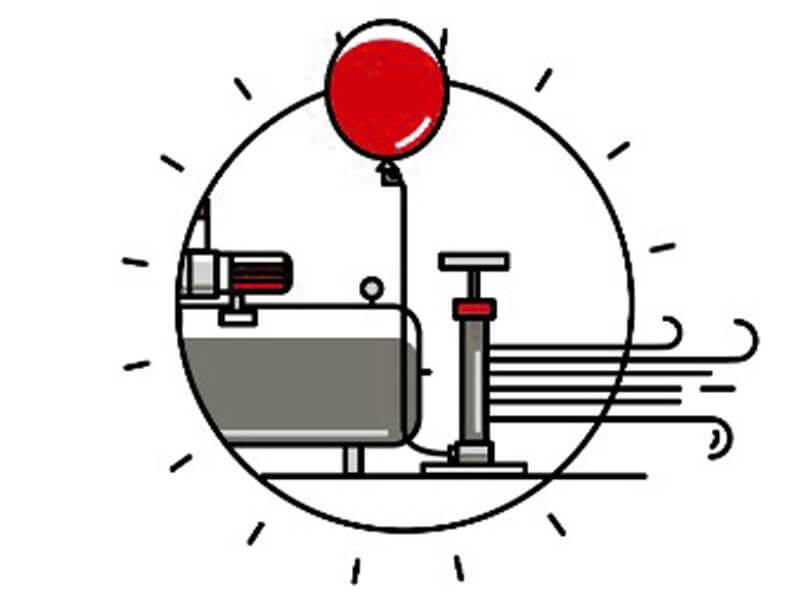
Compressed air is all around us, from the air in a balloon to pumping up tires on your bicycle. In this article we will explain what compressed air is and how it is created. Whether you know it or not, compressed air is involved in every aspect of our lives, from the balloons at your birthday party to the air in the tires of our cars and bicycles. It was probably even used when making the phone, tablet or computer you’re viewing this on. 


What Compressor Size do I Need?

One of the biggest challenges is to correctly size your new air compressor. Similarly to everything else, new compressors available on the market are more efficient and employ better technology, therefore you have to understand the application and usage to size the machine correctly. Choosing the wrong air compressor for your facility can lead to problems with production and or increased costs due to wasted energy. 


What Type of Compressor Do I Need?

Once you have the size of the air compressor figured out, the next thing to do is to decide on the type of compresor you will need for your application - piston, rotary screw compressor etc. Let us take a look at two of the most popular options available. When choosing the right type of compressor, you should ask yourself the following questions:


What Vacuum Pump Do I Need?

​Which vacuum pump do I need? - this is one of the most frequent questions we receive and this is understandable, because there are number of technologies which can provide the same vacuum level and pumping speed. Here is quick advice on how to choose the best vacuum pump for your needs. 


Why Does My Compressor Stop and Start Continuously?

You may be asking, why does my air compressor start, then stop? Allow us to take the guessing out of it. We understand your pain. We know that a compressor problem can quickly result in hours (if not days) of production downtime and loss of revenue. When your compressor continuously shuts off from on, we refer that as a short cycle. There are a few reasons that a short cycle may be happening with your compressor. 


How to Find A Leak in Your Air Compressor

Air compressor leaks are very common in all applications, but can be very costly and difficult to find. On average, 20-30% of the compressed air used in a manufacturing plant is wasted as leaked air. Finding and fixing these leaks can save your business thousands of wasted dollars a year. 


PVC Pipe: Why You Should Not Use PVC Piping for Your Compressed Air System

When installing a compressed air system into a business, people often look to PVC piping as an option to build a piping system because it is cheap, versatile and easy to install. However, using PVC pipe in any compressed air application is extremely dangerous and NOT recommended by multiple associations and manufacturers. 


How Do I Dispose of My Old Oil and Oil Filters?

Changing the oil and oil filters on your compressor is one of the most common routine maintenance tasks to perform to keep your compressor running efficiently. After you remove your old oil and oil filter, you may find yourself wondering, “Where do I dispose of these?”, or “Can I just throw them in the trash?”. Because oil is toxic and a pollutant, disposing of your old oil and filters is not as simple as just tossing them in the trash.Â