OUR COMPRESSOR SERVICES

Leak Detection & Energy Audits

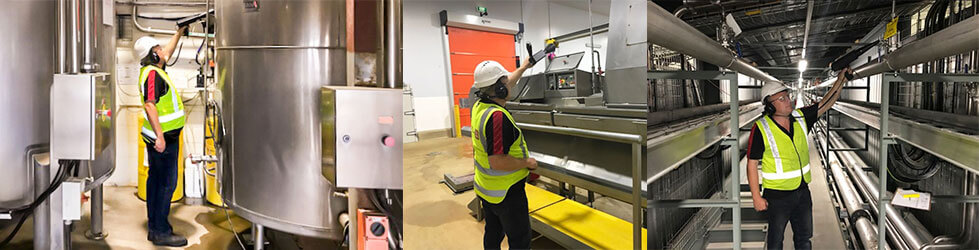
With our advanced tools for leak detection and data-logging, Ash Air can detect leaks and analyse your energy consumption. We will provide you with a comprehensive and easy-to-understand report and recommend the right solution for your system and save you money.


BOOK YOUR COMPRESSOR SERVICE ONLINE HERE BOOK YOUR COMPRESSOR SERVICE ONLINE HERE

Why Fixed Compressed Air Leaks?


Why Start With Leaks?

Ash Air service technicians actively look for energy saving opportunities and we are keen to pass any significant energy savings onto our customers.

A comprehensive leak detection survey on your compressed air system is one way that we can do this for our customers. A survey can be carried out with minimal disruption to your production schedule and we are happy to work in with you to establish the best possible schedule to achieve this.

Typically the survey can be carried out during the normal operation of your plant / facility or we can arrange to carry out the survey during a scheduled shutdown, weekend or overnight shuts.


Leaks are one of the primary forms of wasted energy in an industrial compressed air system.
Typically wasting 20 to 30 percent of a compressor’s output, sometimes as much as 50%.
Periodic leak detection and repair will reduce system leaks to a more acceptable industry best practice rate of less than 10 percent of compressor output.


In addition to being a source of wasted energy, leaks can also contribute to other operating losses.
Leaks cause a drop in system pressure, which can make air operated devices function less efficiently, this can adversely affect productivity and profitability.


As a result, equipment can be forced to run longer.
Leaks shorten the life of almost all Compressed Air system equipment (including the compressor package itself).
Increased running hours will lead to additional maintenance requirements and potentially unscheduled and avoidable downtime.


   Solutions

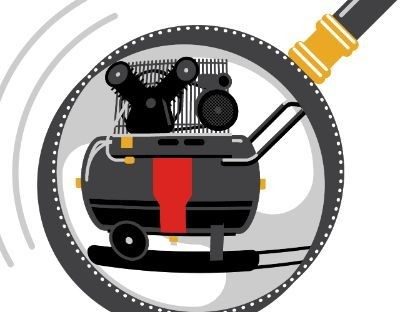
Since air leaks are generally impossible to see, other methods must be used to locate them. The best way to detect leaks is to use an ultrasonic acoustic detector, which can recognize the high-frequency hissing sounds associated with air leaks. This portable instrument consists of directional microphones, amplifiers and audio filters. They usually have either visual indicators and/or earphones to detect leaks.
By means of scanning around a test area, it is possible to very quickly latch onto a leak and pin point its location. For this reason, ultrasonic leak detection is not only fast, but also very accurate in the hands of a trained Technician.
However, No leak survey has ever saved anyone any money! The only way to save money is to Repair the leaks identified!
A follow up survey should be undertaken to ensure all repairs have been completed correctly.
Ash Air Ultrasound leak detection covers a wide range of leaks: pressure or vacuum and any common industrial gases.
Ultrasound instruments detect the turbulent flow produced as the fluid (liquid or gas) moves from the high-pressure side to the low-pressure side of a leak. As it passes through the leak site, a turbulent flow is generated. This turbulence has strong ultrasonic components which are heard through headphones and seen as intensity increments or decibels on the instrument’s display panel. It can be generally taken that the larger the leak, the greater the ultrasound level.
For this reason ultrasound leak detection is used in many facilities for safety, environmental, energy and/or quality assurance requirements.


Energy Audits

The benefits of a Compressed Air Audit, are the potential reductions in the operating costs for the end user; this in turn will improve the productivity of the manufacturing process. Ash Air can tailor a compressed air audit to suit your needs. If a walk through audit is sufficient one of our team of trained staff can carry this out, and feed this information back to you in a professional report with actions and recommendations.

We can also offer full in depth audits; with a comprehensive data logging of your compressed air equipment on site. As a result of this, we can propose recommendations to enhance the operation of your equipment on site. Energy represents the largest cost associated with operating an industrial compressor and therefore represents the largest opportunity for savings. One way AshAir can help to calculate your energy consumption is through the use of a data loggers. During off load running, fixed speed compressors deliver no air but can still consume between 20-40% of full load power.

At Ash Air we know it's important to understand a users air demand so that the best solution can be identified in order to save energy losses. Data Loggers can be connected to the incoming electricity supply which records a reading of the incoming Amps every 90 seconds over a seven day period. This data is then downloaded from the data logger into a software package. Graphs and reports can be produced to simulate and calculate energy consumption. This data can then be analysed to produce a demand profile for the compressor system and subsequently an accurate compressor profile can be recommended. Installing the correct compressor for your system requirements is the first step in saving energy and reducing your energy costs.

Top 10 Targets of a Compressed Air Leak Detection / Audit


Following the recommendations of a leak detection / audit usually pays for itself in a short time by saving tens of thousands of dollars in operating expenses.


The 10 most typical, highest payback audit items are:
1

Plug leaks

Set up a short-term leak inspection program through ultrasound so that every sector of the plant is inspected at least once a quarter to identify and repair leaks.

2

“Down with over pressurization”

Excessive pressure increases leaks and wastes money. Over pressurization will amplify problems, not solve them.

3

Double-check air requirements

Production often overestimates the amount of air it needs. Plants need to change their focus from maintaining air supply to supplying air to meet demand. More air and more pressure is simply more cost.


4

Angle connections

All teed off – replace tee connections with directional angel entry connections.

5

Piping

Convoluted piping, piping restrictions, old pipes and incorrect pipe sizes often lead to pressure loss.

6

Get rid of obsolete restrictions

Clogged filter elements, forgotten manual drain traps and neglected separator cartridges can cause significant drops in pressure and negatively impact capacity and reliability, not to mention creating air-quality issues.

7

Insufficient storage

The value of an appropriately sized air receiver and appropriate compressed air piping is underestimated. All air systems will do better with storage between the user and the process. The amount of effective storage for any system is where the operating control band is equalized by the back pressure in the system.

8

Inappropriate use

Unregulated use of compressed air, and using compressed air for inappropriate purposes, wastes a lot of energy. Considering it costs eight times as much to use air as it does to use electricity, you may want to re evaluate unregulated air-powered cabinet coolers, blow-offs, vacuum generators, mechanical pumps, air motors and hoists, vibrators, aeration, spraying and a host of other equipment.

9

Maintain the system

Poor air quality adversely affects overall plant operations.

10

Poor maintenance also affects efficiency

Make sure you have a planned route and are consistently conducting compressed air surveys in order to ensure your plant is running as efficiently as possible.

ASH AIR CAN HELP

Anytime, anywhere, you can count on us. How can we help you today? Air Compressor Service? Sales? Product Information? We would be happy to answer your questions!

With 13 service locations nationwide, we are here when you need us as your compressed air specialists.

Contact Us Contact Us    0800 808 486


Learn more about looking after your compressed air system and read more in the Ash Air Expert Corner Blog


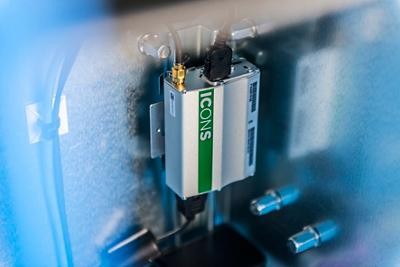
Stay Connected with your Air Compressor Remotely With ICONS

Did you know that conducting an air compressor health check has become even easier? Getting easy and affordable access to your compressor status information at your fingertips with our Intelligent CONnectivity System (ICONS


Is your Compressed Air Piping leak free?

Compressed air system leaks are indeed a big source of energy waste. Leakage in piping systems have been shown to exhibit leaks of up to 25 percent of the total energy costs. Addressing leaks is one of the first maintenance steps a facility can take to reduce energy costs.


What to know about Atlas Copco’s Vacuum Solutions Range

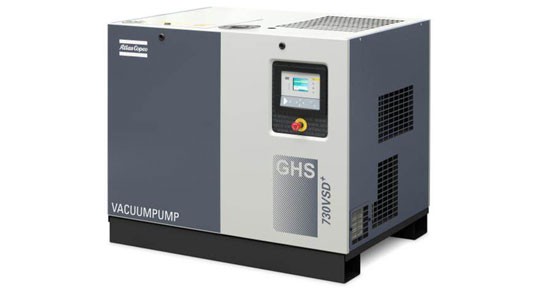
Ash Air is proud to introduce Atlas Copco’s Vacuum Solutions in New Zealand. Here are five things to know about Atlas Copco Vacuum Solutions!


Efficiency of Compressed Air Distribution and Piping

Think about efficiency for a minute. Every year with constant innovation, things are becoming even more efficient. Everything from electronics to industrial machinery are being developed to get more done faster while using less power.


Luck of the Irish and Compressed Air Give Us Beer

With the Luck of the Irish and a little help from air compressors we will all be enjoying a pint of our favorite beer this St. Patrick’s Day!


What is compressed air humidity?

The air surrounding us is a mixture of fry air and water vapor. The amount of water in the air depends on the temperature and volume of the gas. The higher the air temperature, the higher the air's ability to absorb more moisture. Find out about compressed air humidity here.


The Dangers of a Load Too Small for a Diesel Power Generator

The generator starts up, and not long after, white smoke and oil are seen coming out of the exhaust. It is new, and tested, good quality diesel... I wonder what happened?


7 important gas generation energy saving tips

Investing in an on-site industrial gas generator is a great way to reduce your environmental footprint and your operating costs. Once you have taken this important step, there are some other things you can do to maximize your gas generation energy savings. Here are seven of them.


The importance of saving energy when compressing air

For many businesses, preserving energy and becoming more sustainable have become top priorities. That not only saves them money but also makes them more competitive in the future, when demand for “green” products and services will only increase. Not just because governments mandate greater sustainability but also because customers expect it.


Compressed Air in everyday Life

While you relax and read this, do you see an electronic appliance around you? Wondering how could you relate to the current read? We got you! Compressed air is all around, in the electronic appliances you use right now.


Selecting the right compressed air dryer

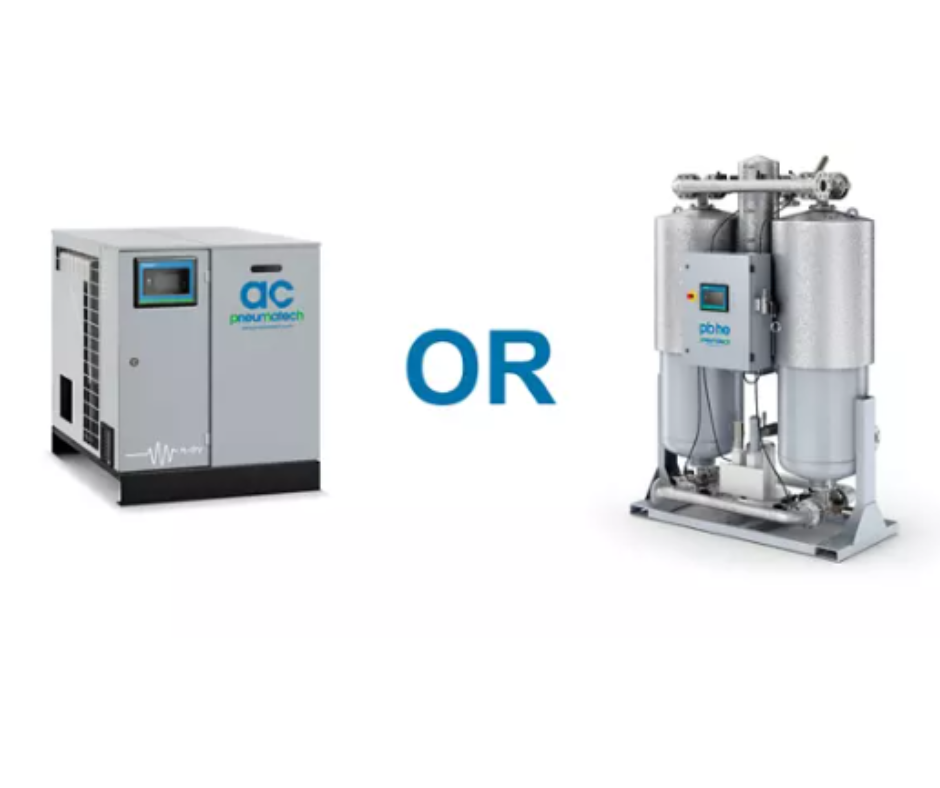
How do you know which type of compressed air dryer will best meet your needs? These insights will help you make the right decision.


How nitrogen makes plant based meat better

How is plant based meat made? And how does nitrogen make it taste better?


Why are compressed air dryers so important?

There are many contaminants that can threaten your compressed air system, but moisture is among the most prevalent. You may be thinking, but it’s just water, but water can have a devastating impact on your compressed air system, your production equipment, and your end product. The best way to prevent moisture from contaminating your compressed air is with a dryer.


How to Make Your Air Compressor More Efficient

Compressed air can be one of the most expensive forms of energy for manufacturing plants, often using more energy than other equipment. One horsepower of compressed air requires eight horsepower of electricity. With many air compressors running at efficiencies as low as 10%, there’s often plenty of room for improvement. Fortunately, 50% of compressed air systems at small- to medium-sized industrial facilities have opportunities for low-cost energy conservation.


Choosing the Right Vacuum Pump for You

As easy as it would make all of our lives, vacuum pumps are far from being “one size fits all”. Not only do you have the size to consider when choosing a vacuum pump, but more importantly type. I will briefly touch on some of the advantages and disadvantages associated with each vacuum technology we deal with. This should give you a better understanding of where to begin your search...


The keys to generating food grade nitrogen

A nitrogen generator, combined with an air compressor and the necessary air treatment products, can provide you with a steady supply of food grade nitrogen.


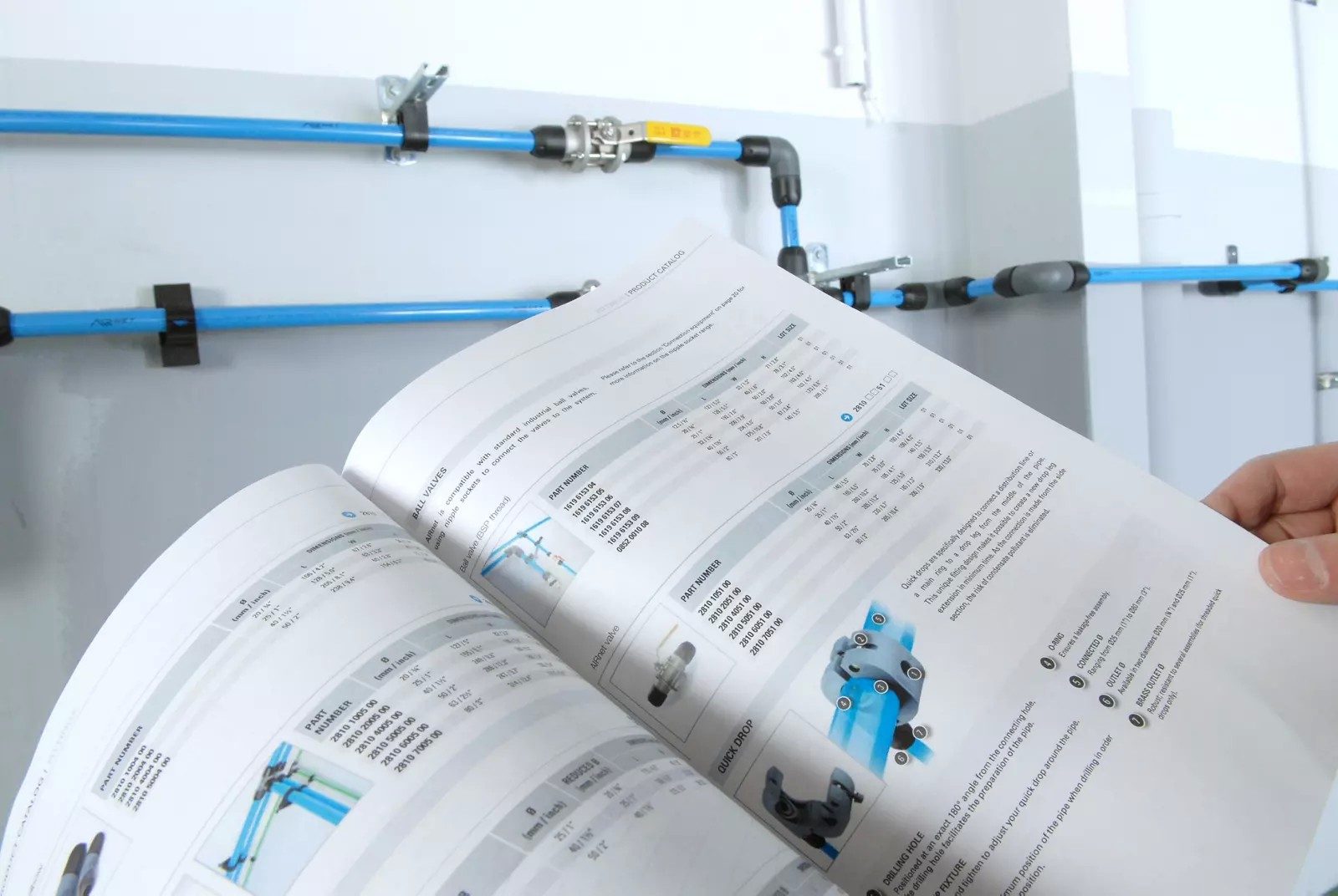
What is a piping quick-drop for?

AIRnet offers moisture-eliminating drop fittings called Quick Drops! Quick Drops make “drop-tees” obsolete, removing the need for extra parts and pipe, while saving time and money.


What Does Commissioning your Air Compressor Mean?

Proper compressor installation and commissioning helps ensure trouble-free startup and long-term reliability. Thorough inspection and critical review during each phase of the installation process eliminates “built-in” deficiencies or problems which c...


How to overcome 3 common challenges associated with working with stainless steel

Stainless steel has long been crucial for many applications where strength, durability, and resistance to corrosion are essential. That is why it is often chosen for process equipment used in harsh environments such as chemical and petrochemical plants, refineries, and power stations.


How to put a price on productivity?

Price is an important consideration when choosing a tool for metalworking applications, but it alone should not be the deciding factor. Other things also contribute to the total cost of ownership, performance, and, ultimately, the overall productivit...


PSI? CFM? Horsepower? Choosing the Right Compressor

Horsepower? PSI? CFM? There is a lot to consider when purchasing a new air compressor. It is important to understand what you actually need and how to find out.


Did you say "Christmas Dinner"? What's Compressed Air, Gas, and Vacuum got to do with it?

Yay! It's Christmas! But before the turkey gets carved and a heaping spoonful of Christmas pudding gets dropped on your plate, you might get asked what you’re thankful for. Well, maybe this year you could say you’re thankful for the compressed air, gas and vacuum solutions that made everything on the table possible. Let’s look at how!


The many benefits of on site gas generation

Are you faced with the decision of whether to switch from purchasing bottled nitrogen or oxygen to on site gas generation? In that case, the decision is easy. You should! Lower costs, the right purity, less transportation emissions, improved safety, no logistics headaches. In all of these areas, on site gas generation is the superior solution. And making the switch is easy. All you need is a gas generator and a supply of compressed air.


Five Tips to Increase Compressor Installation Efficiency

Did you know that one of the largest costs for industrial manufacturers is compressed air? That’s right – anywhere from 12% to 40% of a facility’s total energy costs come from its compressed air installation. This means that finding innovative ways (no matter how small) to increase compressed air efficiency can amount to big savings over the long run! Items like leak eliminationair audits, reduced pressure bands, and reducing unloaded running hours are some of the most popular ways to decrease energy usage – but there are many other actions that you can take. Read on to discover additional ways to reduce your costs and make sure your compressor system is running as efficiently as possible!


How to Correctly Size Your Compressed Air Piping System

A properly sized and designed piping system is a necessary component of any distribution compressed air system. Without this key component in place, the delivery of air from the compressor to the specific points of use will be inefficient and costly, both in the short term as well as in the long term. Let’s look more closely at how to size your compressed air piping system to ensure minimal pressure loss while maintaining maximum efficiency.


Testing for Microorganisms in Compressed Air

Potential for growth of micro-organisms in a compressed air system is tied to the moisture level (dew point) of the compressed air. In simple terms, if there is moisture in your compressed air, microorganisms such as mold and bacteria have the environment they need to grow and thrive. While it’s true that as air is compressed, much of the moisture present in the intake air will condense, enough moisture remains to allow micro-organisms to proliferate.


The Key Benefits of Monitoring Your Compressor System

Your compressor installation is a workhorse that requires regular service and maintenance to help it achieve maximum efficiency and longevity. This is where compressor monitoring and data gathering technologies come in, as these provide meaningful information on your system that can be visualized, tracked over extended time periods, and used to make insightful decisions regarding compressor performance. 


Aluminum versus cast iron – Which piston compressor material is best?

Some piston compressors use cast iron and others aluminum. But which is better? Here is a look at their differences and respective benefits.


Why a Variable Speed Compressor?

A variable speed compressor is not for every application. VSD rotary screw compressors need to be ran in a location that is in need of 24/7 compressed air and has a changing demand on the amount of air needed. If your compressed air needs are constan...


Why Do I Need a Mist Eliminator?

Compressed air purification equipment must have a very low pressure drop, long service life and be strong enough to withstand the most strenuous operating conditions. Protection from oil slugs or compressor air/oil separator failure is essential.


What do I need to know about ICONS?

Intelligent Connectivity System (ICONS) is the eyes into your compressed air system. Ditch the logbooks, the regular visits to the compressor room and dealing with surprises with your compressor. • Most maintenance organizations operate between 10% to 40% efficiency • Most spend more than 50% of time on emergency work • Reactive maintenance costs 3-5 times more than preventive maintenance.


How Much Will Compressed Air Cost You?

Compressed air is used in many different industries. From refrigerator manufacturers to toy makers, companies around the world depend on compressed air to produce products. It's so important that many consider it a utility as significant as electricity, water or natural gas.


Why do you need to filter compressed air?

Compressed air is always contaminated. Contaminants include, • Liquid oil - oil aerosols - oil vapor, Dirt - microorganisms - pipescale, Trace gases: carbon monoxide, sulfur dioxide, nitrous oxide. Learn more about why you need to filter compressed air... 


What is air compressor electric motor efficiency?

As part of a concerted effort worldwide to reduce energy consumption, CO2 emissions and the impact of industrial operations on the environment, regulatory authorities in many countries have introduced legislation to encourage the manufacture and use ...


Why is air treatment necessary?

Air is always contaminated with solid particles such as dust, sand, soot, salt crystals and water as it leaves the compressor. An effective compressed air treatment system lowers the dew point of the air and takes out the elements that may harm equipment downstream of the compressor and dryer


Why Do I Have Water in my Compressor Lines in the Winter When I Have a Dryer?


The ambient temperature in an air compressor’s environment can greatly affect your air compressor’s performance. All air compressors will generate some amount of water, but depending on inlet air conditions some can produce large amounts of water.


What to do with your old compressor?

Just purchased a new compressor? Are you asking yourself, “Now what am I going to do with this old air compressor?”


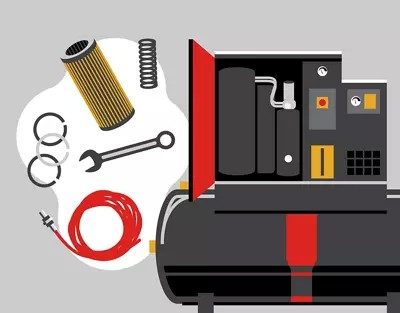
Which Parts are Checked and Replaced During Routine Maintenance on my Air Compressor?

Routine maintenance on your screw compressor or piston compressor is vital to ensuring your unit is performing to its full potential. There are simple checks and inspections you can do daily, weekly and monthly to keep your compressor running efficiently and to avoid downtime.


The Cost of Compressed Air: What are the Lifetime Costs of a Compressor?

Whether you use your air compressor for woodcarving, bottling or manufacturing consumables, compressed air plays a critical role in your business. It is undeniable that compressed air is a valuable source to your applications.


How much air pressure do I need for my application

There are many things to consider during the selection process of an air compressor for your business. Most important, determining the proper size of the compressor to match your operational needs.


What Causes the Dewpoint to Spike on your Air Compressor?

Dewpoint spikes immediately after desiccant switchover (line C) indicate that the desiccant was not sufficiently cooled before being brought on-line. Hot desiccant will not adsorb moisture well until it cools down, after which the dewpoint should dro...


Why is there Oil in my Screw Compressor Air Tank?

Don’t be alarmed if you find oil in your air compressor tank. Actually, all rotary screw compressors pass trace amounts of oil in the compressed air. The question is how much is the normal amount of oil in my compressor tank?


I Have a Dryer, But I still Have Water in my Compressor during Winter. Why?

The ambient temperature in an air compressor’s environment can greatly affect your air compressors performance. All air compressors will generate some amount of water, but depending on inlet air conditions some can produce large amounts of water.


Can I Perform the Maintenance on my Air Compressor Myself?

Once you’ve invested in an air compressor  your business or home you may ask yourself, “What happens if my compressor needs service? Needs a filter change? Oil change?"


Why is my air compressor filter full every week?

As you know, compressed air filters protect your machine from dirt, dust, oil and water. These contaminants are extremely common in the areas you would find a compressed air system and will wear down your machine if not properly filtered out.


How do I Protect my Air Compressor From Leaks?

Air compressor leaks can be a substantial source of wasted energy in any system, sometimes wasting 20-30% of a compressor's production. Worst of all, a poorly maintained compressor can have a leak rate expected to equal 20% of total compressed air...


What Do I Need to Know When Buying an Air Compressor?

Choosing the right compressor is essential to your long-term satisfaction and maybe, to the profitability of your business. Many times compressors are based on a single factor alone, such as horsepower or tank size, which is only part of the story.


When should I buy an oil-free compressor?

In oil injected screw compressors, there is a thin layer of oil found between the rotors to create a seal and maintain proper efficiency as the compression occurs. The unfortunate side effect of this solution is that oil may carry over to the point of use in your air system. This can be mitigated by having correct filtration in place to remove the oil contaminants in your air. Additionally, many individuals may decide to opt for a completely oil-free solution, with the use of a scroll compressor or water injected screw compressor.


What do I need to look for in my piping solution?

Most businesses concentrate on the air compressor and consider the piping as a secondary concern. The piping system can make or break your business. Faulty, inefficient piping can cause pressure loss and lost power. Keeping a close eye on the overall layout, installations and maintenance of your air piping system will help keep your business running at its’ optimal efficiency.


Why Ash Air?

Our #1 Focus is Customer Service! Whether you have questions about which compressor is right for you, or if you’re ready to improve your operations and start saving on expenses. Ash Air has been around for over 40 years because we offer reliable and hardworking air compressors, vacuum pumps, and services as well as expert advice and support.


How to know when to fix your compressor vs. get a new one?

If your daily business operations depend heavily on having compressed air, this question is extremely important. Should you repair your broken compressor or get a new one?


Why is an oil analysis important?

An oil analysis can prevent problems later down the road. It's often been referred to as the blood test for your compressor. Just like a blood test can tell you about your health and early alerts to impending problems, an analysis can do the same for your compressor.


How Can Pressure Drops Cost You Money


Did you know that pressure drops and leaks are the two largest areas of energy loss on your air compressors? It’s easy to understand why a leaking pipe or fitting creates energy loss. Pressure drops are not quite as noticeable, since you cannot hear ...


Why Is My Compressor Room Getting so Hot?


Air compressors must have adequate ventilation because, when running, they produce a fair amount of heat.