
For most industrial facilities, compressed air is an indispensable utility that powers production equipment, automation systems, pneumatic tools and packaging lines. While essential, it is also one of the most expensive utilities to generate. Unlike electricity or water, compressed air is created on-site, meaning businesses are responsible for both the capital investment and the ongoing operating costs of their compressed air systems. Of these costs, energy typically accounts for 70–80% of the total lifecycle cost of an air compressor, making energy efficiency one of the most significant opportunities for cost savings. Many organisations invest in high-efficiency compressors but overlook an equally important factor, how efficiently the system is operating day to day. Even a modern compressor can consume excessive energy if it is operating outside its optimal conditions. Remote monitoring changes this by providing continuous visibility into compressor performance, allowing maintenance and operations teams to identify inefficiencies, optimise system performance and make informed decisions based on real operating data rather than assumptions.
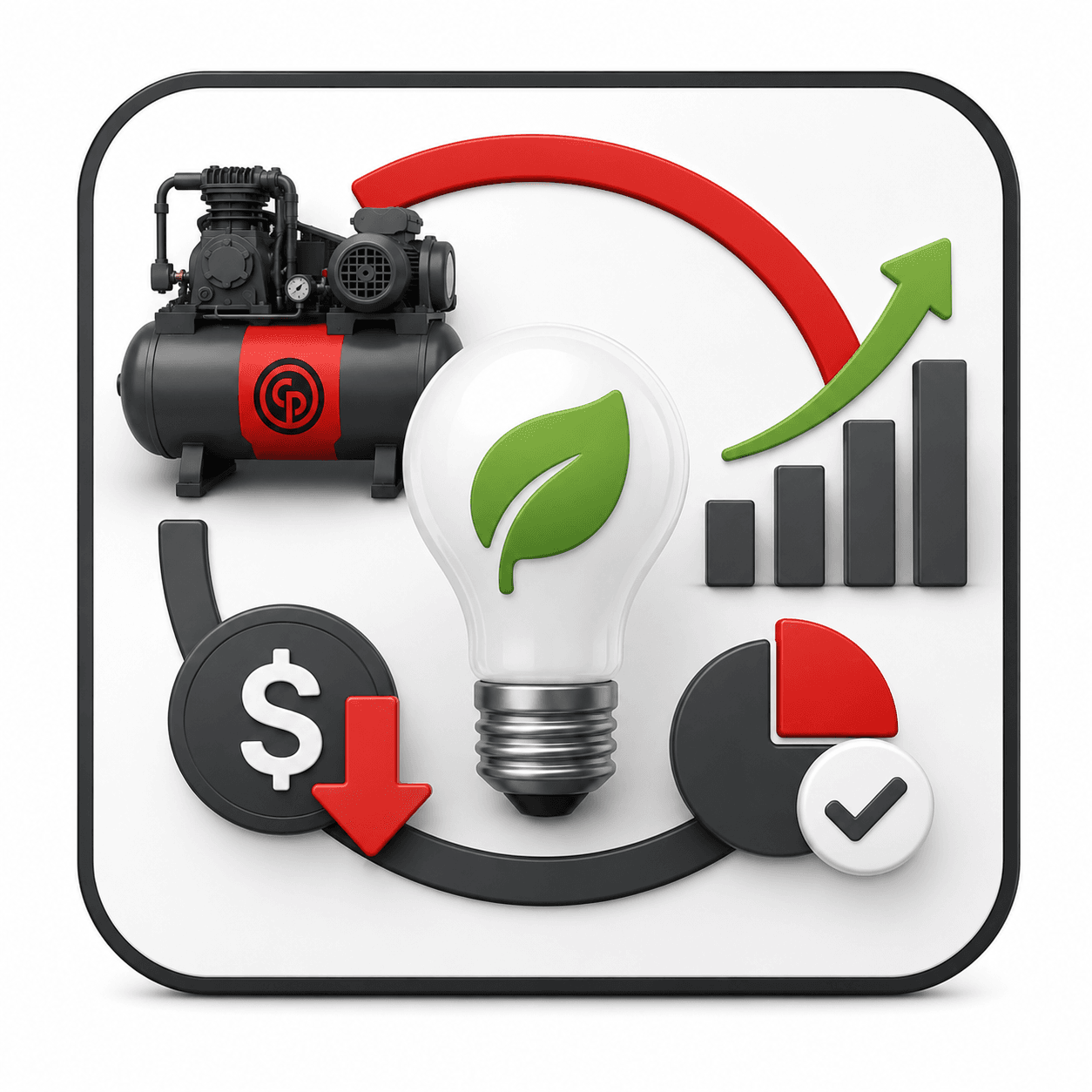
Compressed air is often called the most expensive utility in a manufacturing facility because every stage of producing compressed air
requires energy.
Electricity is consumed to:
Overcome pressure losses throughout the distribution network Every unnecessary operating hour, pressure increase or air leak directly increases electricity consumption. Without continuous monitoring, many of these inefficiencies remain hidden for months or even years.
Understanding where energy is consumed is the first step toward reducing costs. Typical energy losses include:
Source of Energy |
Typical Impact |
| Air leaks | 20-30% of compressed air production can be lost through leaks |
| Excessive operating pressure |
Approximately 7-8% increase in power consumption for every additional 1 bar of pressure |
| Compressor unloaded running | Compressors may consume 20-40% of full-load power while producing no useful air |
| Airty filters and coolers |
Increased pressure drop forces the compressor to work harder |
| Poor compressor sequencing | Multiple compressors operating inefficiently increase energy demand |
| Inappropriate comrpessor sizing |
Oversized compressors spend more time unloaded, wasting electricity |
These losses often develop gradually and are difficult to identify through routine inspections alone.
Compressors consume a significant amount of electricity even when they are running unloaded. A high percentage of unloaded running may indicate:
With Ash Air ICONS, maintenance teams can monitor load and unload cycles, identify inefficient operating patterns and optimise compressor utilisation to reduce unnecessary power consumption.
Pressure Operating at a higher pressure than required increases energy consumption and places additional strain on equipment. Pressure fluctuations may also indicate leaks, restrictions or control issues within the compressed air system. By continuously monitoring pressure trends, ICONS helps identify opportunities to optimise pressure settings while maintaining reliable production.
Air leaks are one of the largest sources of energy loss in compressed air systems. While ICONS does not locate individual leaks, it helps identify symptoms of excessive air loss, including: Increased compressor running hours Higher base-load demand outside production hours More frequent load cycles
These insights help maintenance teams prioritise leak detection and repair activities before energy losses become significant.
Poorly maintained compressors require more energy to produce the same amount of compressed air. Blocked filters, worn components and reduced cooling efficiency all increase power consumption. ICONS continuously monitors equipment performance, service intervals and alarm history, enabling maintenance to be scheduled before efficiency declines or unexpected failures occur.
Historical performance data allows maintenance teams to understand how the compressed air system operates over time. By analysing trends in operating hours, pressure, temperature and equipment utilisation, businesses can:
Continuous monitoring transforms operational data into practical insights that improve both reliability and efficiency.
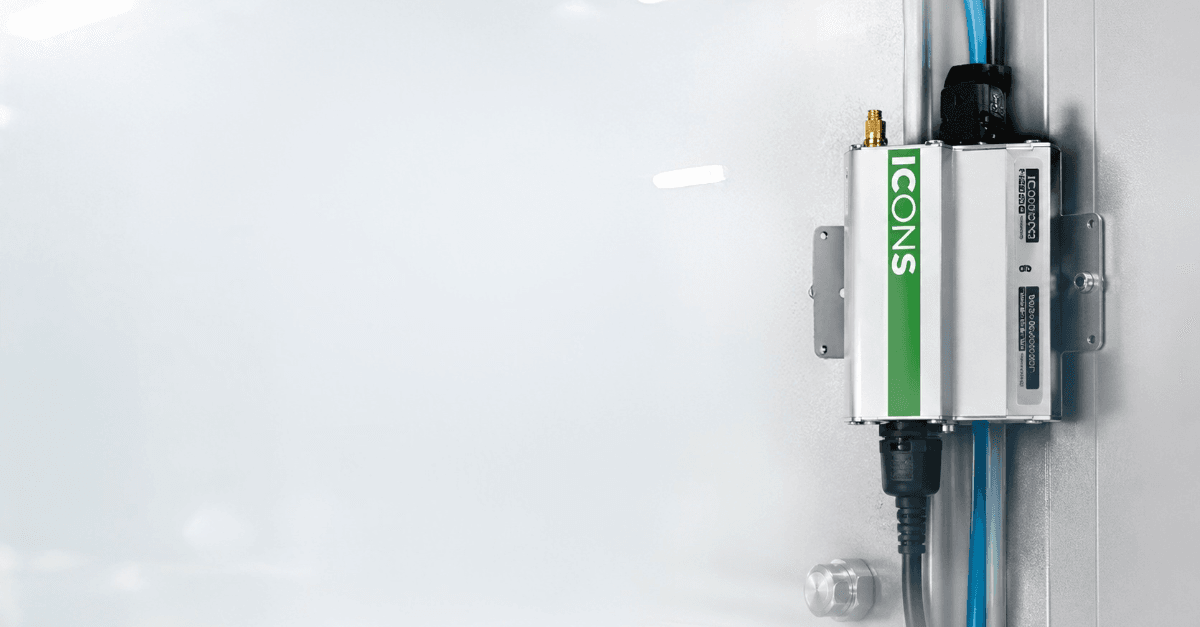
Ash Air ICONS provides secure, cloud-based remote monitoring that helps businesses optimise compressed air performance through: Real-time equipment monitoring Automatic alerts and notifications Historical performance analysis Multi-site visibility Service interval tracking Data-driven maintenance planning Whether managing a single compressor or multiple sites, ICONS provides the information needed to improve reliability while reducing operating costs.
Reducing compressed air energy costs requires more than efficient equipment, it requires continuous visibility into how your system performs. With Ash Air ICONS, you can identify inefficiencies early, optimise maintenance and make smarter operational decisions that improve reliability and lower energy consumption.
Contact Ash Air today to learn how ICONS can help optimise your compressed air system.
.png)
For many businesses, preserving energy and becoming more sustainable have become top priorities. That not only saves them money but also makes them more competitive in the future, when demand for “green” products and services will only increase. Not just because governments mandate greater sustainability but also because you, our customers expect it. Here, we talk to our experienced Sales Engineer, Romain, who has a strong background in helping our partners with energy efficient compressed air options to get the most out of their business. Read More…

© 2026 Ash Air • Website design by Fuel