

Compressed air systems are often described as the "fourth utility" because they are essential to daily operations
across manufacturing, food processing, pharmaceuticals, automotive, and many other industries. Yet many facilities still rely on manual
inspections or reactive maintenance to monitor compressor performance. As production demands increase and maintenance resources become
more limited, this approach exposes businesses to unnecessary operational risk. Modern remote monitoring platforms provide continuous
visibility into compressor performance, enabling maintenance teams to identify developing issues before they result in costly failures. If
your compressed air system exhibits any of the following warning signs, it may be time to consider a remote monitoring solution such as
Ash Air ICONS.
Unexpected shutdowns are one of the clearest indicators that equipment health is not being monitored effectively. Most compressor failures don't occur without warning. In many cases, equipment provides early signs of deterioration days or even weeks before a shutdown, including:
Without continuous monitoring, these warning signs are often missed because manual inspections provide only a snapshot of equipment condition.
Many businesses assume rising electricity costs are simply due to increasing production or energy prices. However, compressed air systems are frequently one of the largest consumers of electricity within an industrial facility. Energy typically represents 70–80% of the total lifecycle cost of an air compressor.
Common causes of excessive energy consumption include:
These inefficiencies often develop gradually and remain unnoticed until utility costs become significant.
If maintenance activities begin only after equipment fails, the organisation is operating in a reactive maintenance environment.
Reactive maintenance often leads to:
A more effective approach combines scheduled servicing with continuous condition monitoring.
As organisations expand, maintaining visibility across multiple compressors becomes increasingly challenging.
Maintenance personnel often rely on:
This approach makes it difficult to compare equipment performance across different locations or prioritise maintenance activities.
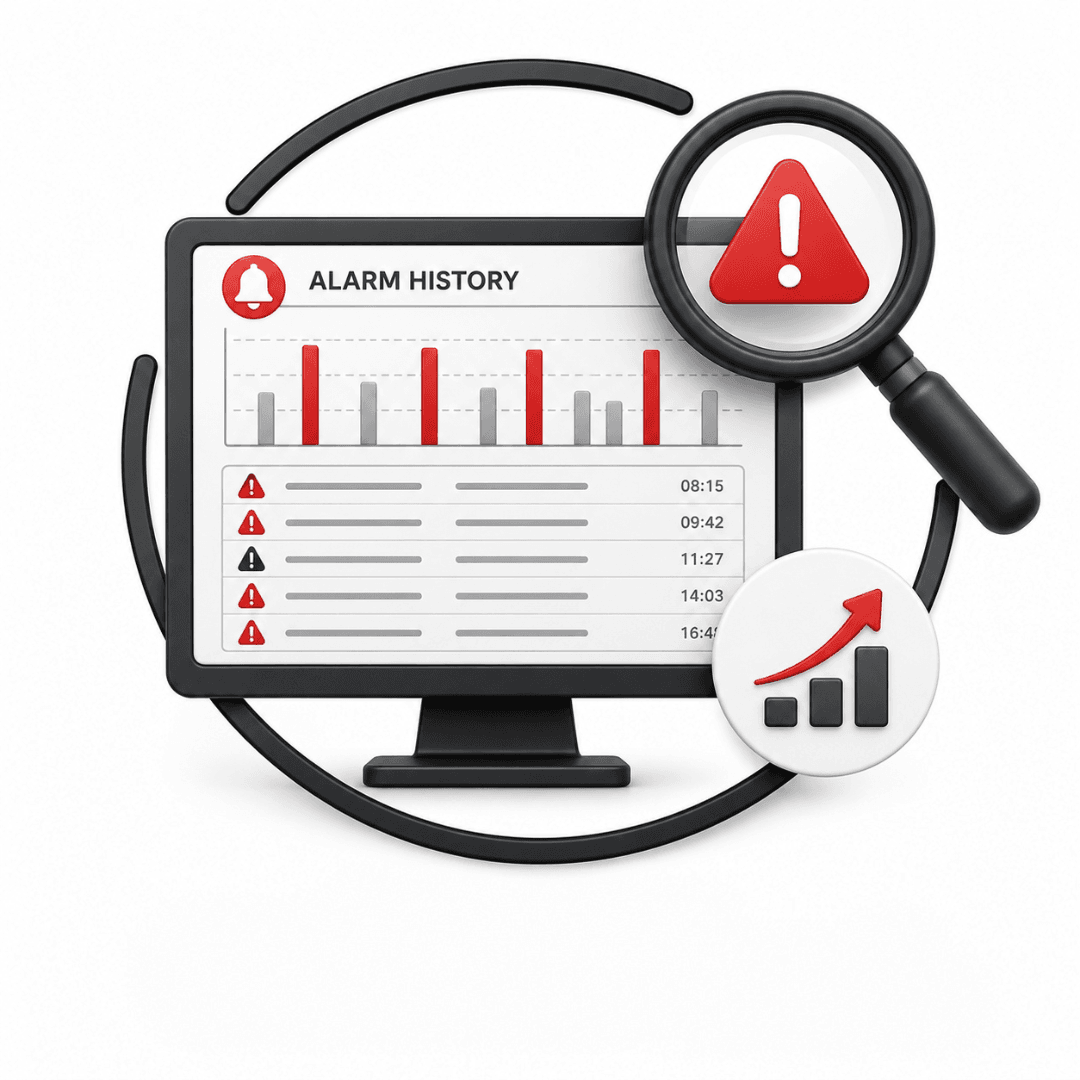
Many compressed air failures occur overnight, during weekends or outside normal business hours. Without remote monitoring, problems may remain undetected until operators return to site, potentially resulting in:
Remote monitoring is more than simply viewing compressor data online.
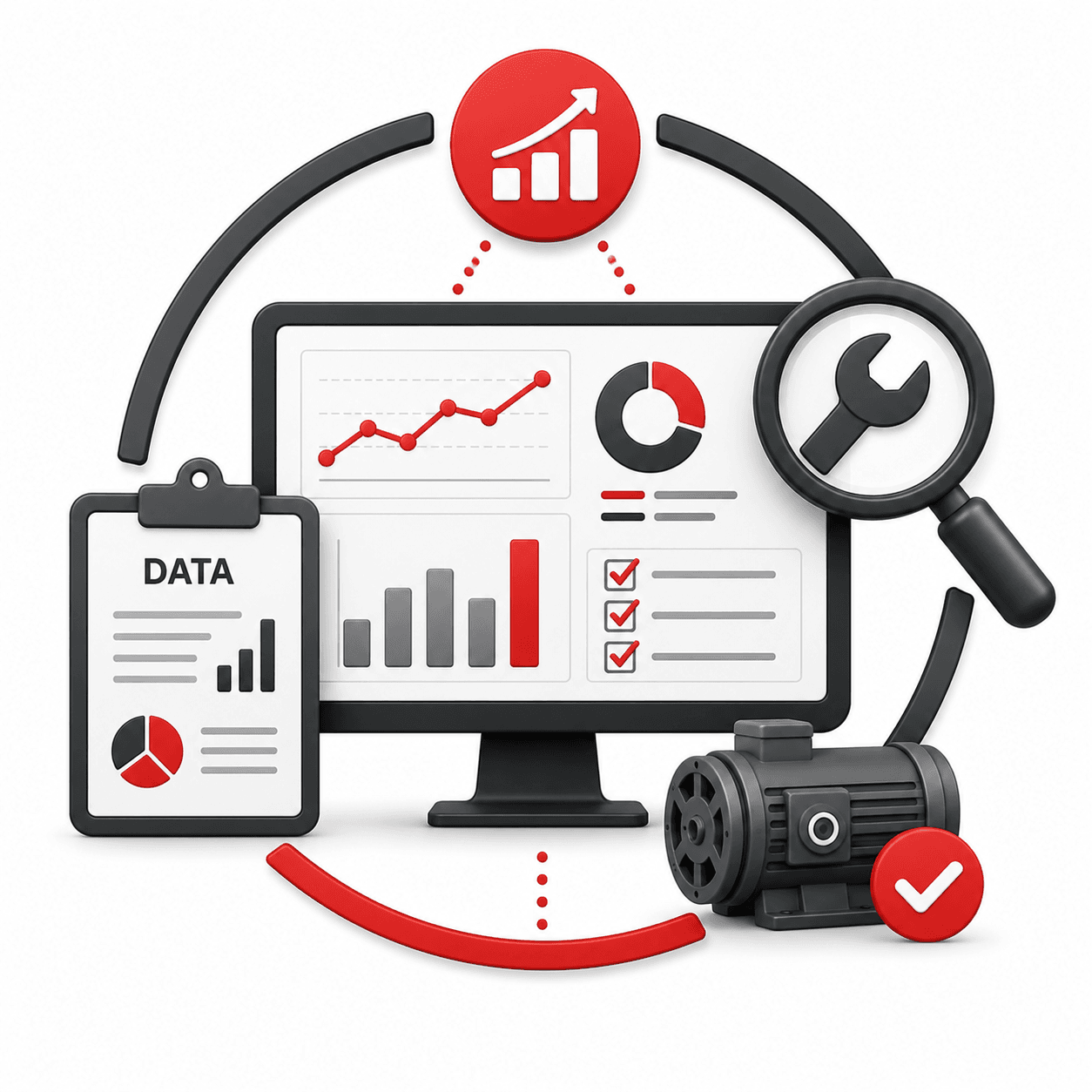
It enables organisations to shift from reactive maintenance towards predictive maintenance by:

.png)
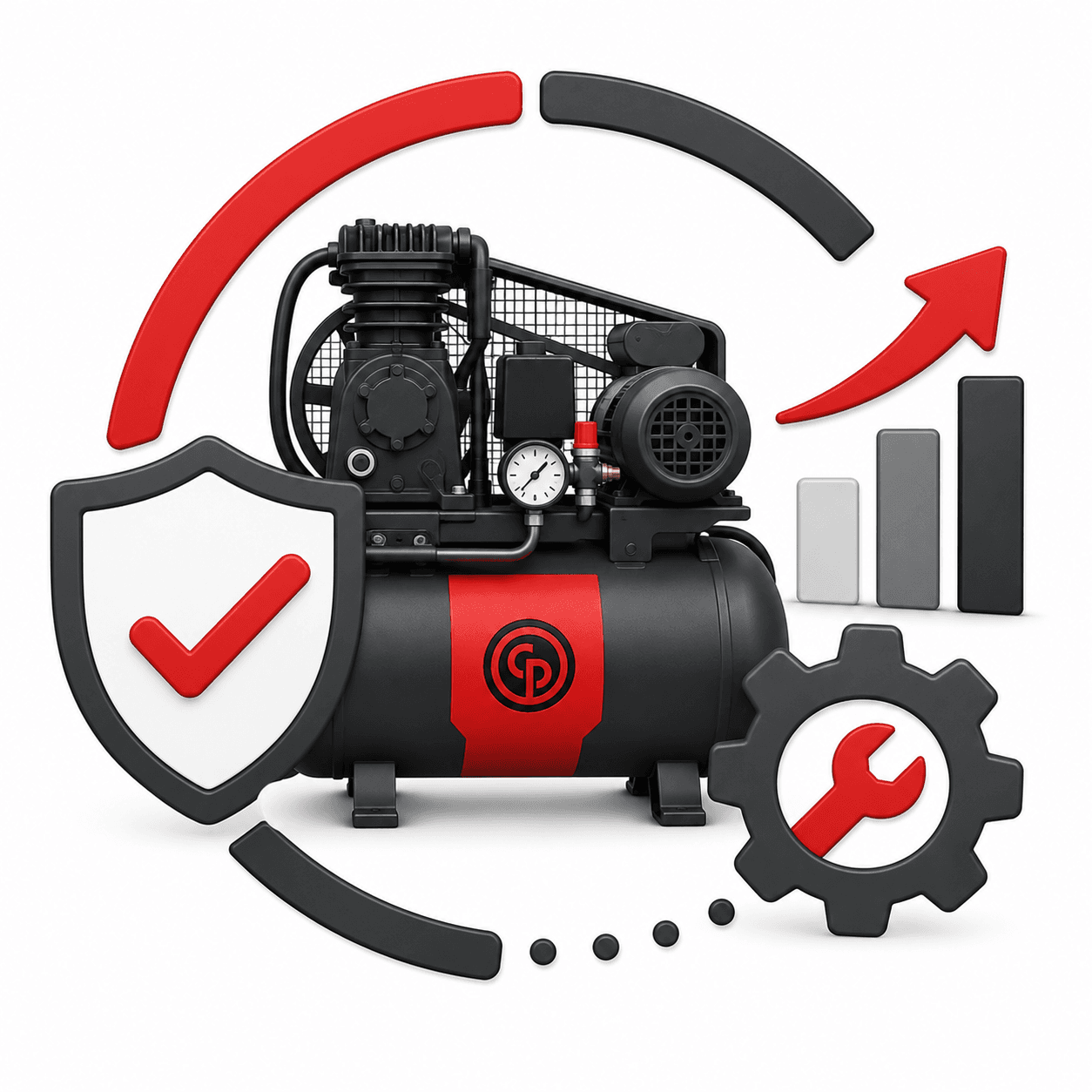
Most compressor failures don't happen suddenly—they develop gradually through small changes in operating conditions. By identifying these warning signs early, businesses can avoid costly downtime and improve the long-term performance of their compressed air systems. Remote monitoring provides the visibility needed to make informed maintenance decisions, helping organisations maximise reliability while reducing operating costs.
Contact the Ash Air team today to learn how ICONS can help you monitor, analyse and optimise your compressor
performance.
.png)
For many businesses, preserving energy and becoming more sustainable have become top priorities. That not only saves them money but also makes them more competitive in the future, when demand for “green” products and services will only increase. Not just because governments mandate greater sustainability but also because you, our customers expect it. Here, we talk to our experienced Sales Engineer, Romain, who has a strong background in helping our partners with energy efficient compressed air options to get the most out of their business. Read More…

© 2026 Ash Air • Website design by Fuel